













Register

Altitude? Or Speed?

Last year, I flew maybe 40 hours in piston twins, building time and getting through a checkride. With a bunch of experience in the IFR system flying high-performance singles, keeping up with the twins I was flying-and planning ahead and managing their systems, even in the busiest airspace-was relatively easy. Performing the engine-failure drills, the VMC and drag demonstrations, and practicing various other systems failures also were relatively easy, thanks to my experience in complex airplanes.

Gemini Sparkle

Key Takeaways:

  • Unlike single-engine aircraft where "altitude is life," flying piston twins requires prioritizing airspeed (above the blueline) to maintain control and power after an engine failure.
  • Initial multi-engine pilot training, particularly drills involving simulated engine shutdowns, is highlighted as a high-risk activity for flight instructors.
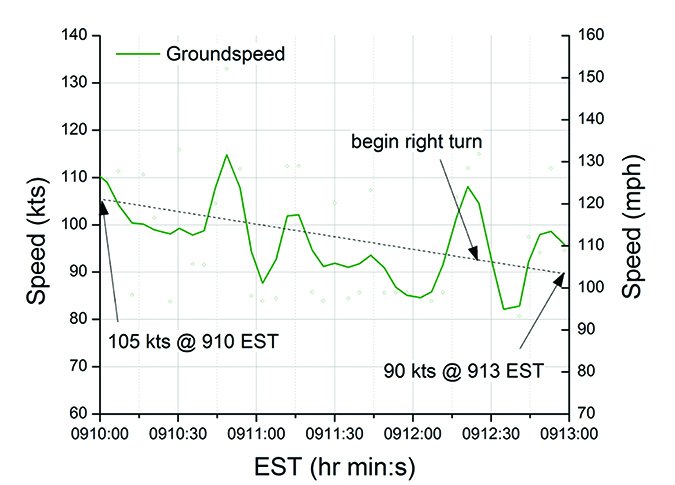
  • An accident involving a Piper PA-23 Apache during multi-engine training resulted in a fatal loss of control during a simulated engine-out exercise, with the NTSB pointing to the exercise as the likely precipitating event despite some unresolved questions about airframe separation.
See a mistake? Contact us.

Last year, I flew maybe 40 hours in piston twins, building time and getting through a checkride. With a bunch of experience in the IFR system flying high-performance singles, keeping up with the twins I was flying—and planning ahead and managing their systems, even in the busiest airspace—was relatively easy. Performing the engine-failure drills, the VMC and drag demonstrations, and practicing various other systems failures also were relatively easy, thanks to my experience in complex airplanes.

The hardest part of it all was thinking in terms of staying ahead of the eventual engine failure, real or simulated. It wasn’t that difficult to adopt the basic mantra of flying a piston twin: stay above the airspeed indicator’s blueline speed at all times, except when landing. If an engine fails while airborne at or near the redline, you’ll either lose control of the airplane or must reduce power on the good engine and accept a negligible or negative climb rate until drag is reduced, power is restored or both.


Ready to Sell Your Aircraft?

List your airplane on AircraftForSale.com and reach qualified buyers.

List Your Aircraft
AircraftForSale Logo | FLYING Logo
Pilot in aircraft
Sign-up for newsletters & special offers!

Get the latest stories & special offers delivered directly to your inbox.

SUBSCRIBE