Critical Moments

NTSB Reports

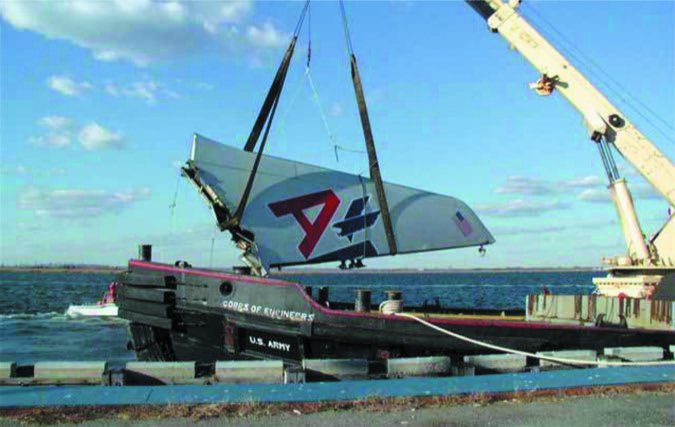
The pilot later stated the approach to land was steeper and faster than normal as he was aware of cranes near Runway 18s approach end. The airplane landed long and instead of going around, the pilot continued with the landing. The airplane went off the runway and into Tampa Bay. Observed weather included wind from 170 degrees at eight knots.
Read More »

Maneuvering Speed

Early in our primary training, we encountered the concept of maneuvering speed (VA), or design maneuvering speed as its sometimes called. Were basically told its the speed at below which we should fly in turbulence and when entering advanced maneuvers, hence its name. If were lucky and have a good ground-school instructor, well also learn that VA changes with weight: As the airplanes weight decreases, so will maneuvering speed. Although VA isnt marked on our airspeed indicators, there should be a placard listing it at the airplanes gross weight, with the admonition to not make full control deflections above it.

Read More »

NTSB Reports

August 1, 2017, Phoenix, Ariz.Grumman AA-1B TrainerAt about 1300 Mountain time, the airplane was substantially damaged when it impacted terrain shortly after takeoff. Both the flight instructor and student pilot sustained serious injuries. Visual conditions prevailed.According to witnesses, after the airplane lifted off and was in its initial climb to the west, the wings started to rock back and forth. The airplane began to descend, struck the airport’s western perimeter fence and collided with terrain before coming to rest on a road bordering the airport.

Read More »

Single-Pilot Jets

While most of us probably feel fortunate to be able to fly any kind of general aviation aircraft, most of us also have fantasies about owning and flying more expensive machines, including jets. A small number of us achieve that goal and obtain certification to operate small jets single-pilot. But the safety record of these operations is mixed. Some recent accidents point to gaps in the training and checking associated with single-pilot type ratings.

Read More »

Approach Vectors Checklist

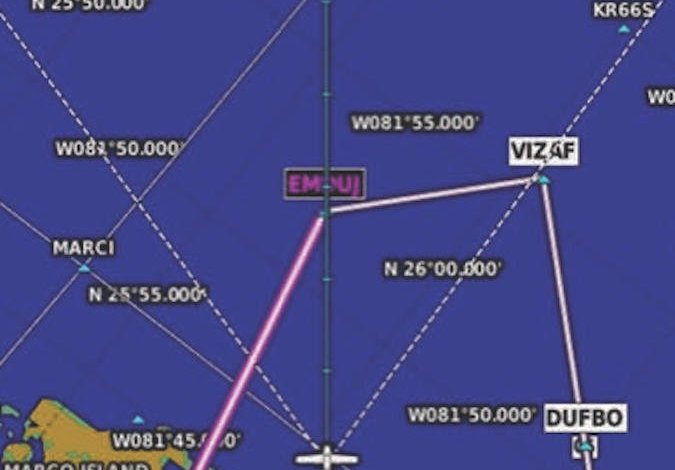
Theres nothing quite like hearing the phrase, vectors for the approach. To me at least, this is a calming phrase from an approach or center controller that says, Youre just about there; now well take care of you. On vectors, its easy to let your guard down and lose track of where you are and whats going on, subconsciously delegating those things to that friendly controller.

Read More »

NTSB Highlights Gas Fuel-Related Accidents

The NTSB in August released the latest in a series of what it calls Safety Alerts, which focused on preventable accidents stemming from fuel starvation or fuel exhaustion. According to the Safety Alert (SA-067, Flying On Empty, August 2017), an average of more than 50 accidents each year in the five years from 2011 to 2015 occurred due to fuel management issues.

Read More »

NTSB Reports: October 2017

The aircraft broke up in flight then impacted the ground after an uncontrolled descent at about 0153 Central time. The commercial pilot and five passengers sustained fatal injuries; the airplane was destroyed. Dark night visual conditions prevailed. An IFR flight plan was in effect.The airplane was in cruise at 10,000 feet msl when its pilot queried ATC about nearby weather conditions. Radar data then showed the airplane climb slightly and turn left.

Read More »

Touch-And-Goes

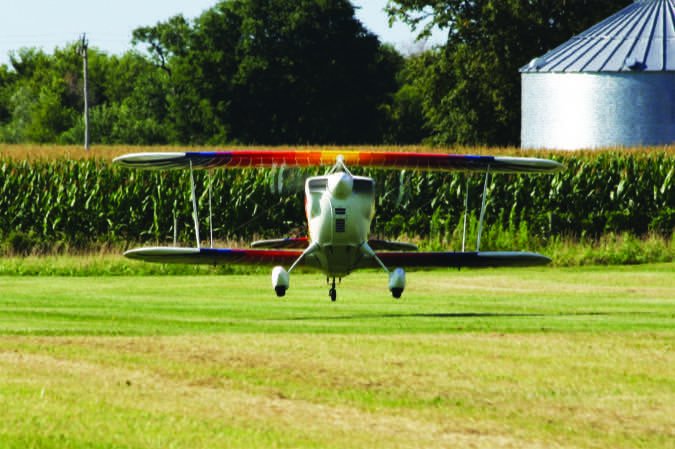
The approach and landing phase should be conducted in accordance with whatever specific procedure is being practiced: normal, engine-out, short/soft-field, high density altitude. Simply because youre not planning to slow down and exit the runway doesnt mean you should do anything different on the approach and landing. After all, the reason youre doing touch-and-goes is to practice, and you cant engage in valuable practice if you dont simulate realistic conditions and procedures.

Read More »

Dark Night Conditions

Ive always enjoyed flying at night. Theres usually a lot less traffic, the ATC frequency is quieter and its rare to be delayed for an approach, landing or takeoff. Sunsets can be quite amazing from a personal airplane, and Ive been fortunate enough to witness a few sunrises, too. Owing to day-job schedules and airplane availability, most of my instrument training happened at night and, even with all that going on, Im by no means an expert on flying in the dark.

Read More »
Pilot in aircraft
Sign-up for newsletters & special offers!

Get the latest stories & special offers delivered directly to your inbox.

SUBSCRIBE