











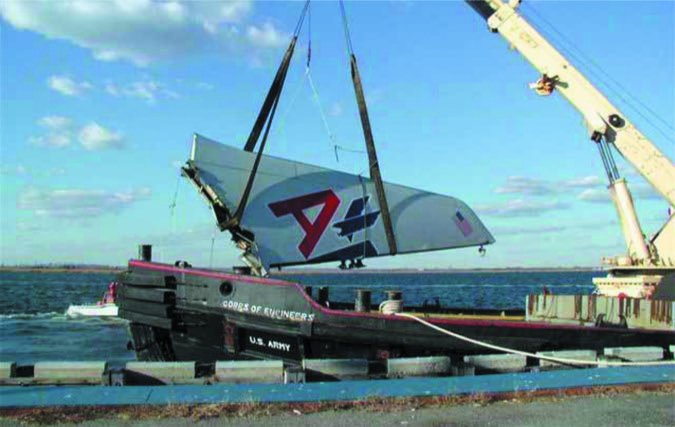


Early in our primary training, we encountered the concept of maneuvering speed (VA), or design maneuvering speed as it’s sometimes called. We’re basically told it’s the speed at below which we should fly in turbulence and when entering advanced maneuvers, hence its name. If we’re lucky and have a good ground-school instructor, we’ll also learn that VA changes with weight: As the airplane’s weight decreases, so will maneuvering speed. Although VA isn’t marked on our airspeed indicators, there should be a placard listing it at the airplane’s gross weight, with the admonition to not make full control deflections above it.
Out in the practice area, VA often is used as the target speed for entering maneuvers like accelerated stalls, chandelles and lazy eights, although some manufacturers may publish a different speed. Basically, when we’re engaged in maneuvers imposing additional loads on the airframe, we should be flying at or below the airplane’s weight-adjusted VA. But that’s not the full story. Some of the things we’re not told about VA in ground school are learned the hard way.

