Critical Moments

Making GA Safety Policy

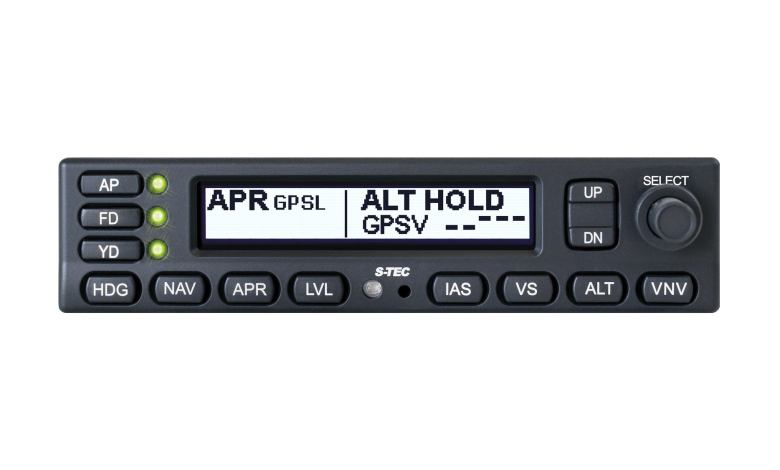
Recent, similar efforts involving the FAA and the GA community are picking up in tempo. Youve already seen some of the institutional changes: relaxed certification standards for installing advisory angle-of-attack indicators and the new rash of all-electronic attitude indicators, among others, which are designed to help minimize the classic loss-of-control inflight accident. These and other outcomes may be producing tangible results, but its too early to be sure. Regardless, by using a data-driven approach and producing specific safety enhancements, these efforts are creating some useful outcomes for GA pilots. The way this came to be is an example of why you never want to see sausage made.

Read More »

Cranky Pilots

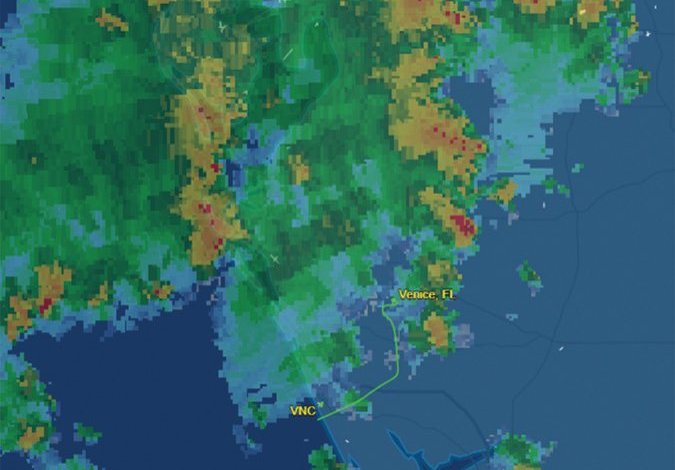
My Debonair had to go to the avionics shop recently for its 24-month pitot/static and transponder checks, and to diagnose an autopilot that wouldnt. As I feared, autopilot system components had to go out for factory attention, and the removal work would take longer than my schedule allowed. So I left the airplane and Uberd home. Before I had the free time to retrieve the airplane, my part of Florida was seeing a constant flow of moisture and showers coming in from the Gulf of Mexico.

Read More »

Losing Control Is Easy

It was a warm, blustery late-spring day in Texas. Visibility was restricted by the haze, and the afternoons updrafts were in full bloom. The whole package made the air hot, bumpy and thick. I had a multi-engine checkride scheduled in a few days, so my instructor and I were aloft in the Piper Seneca I that Id been using and were up to no good, trying to buff out the rough spots. This was for a commercial multi-engine checkride and emphasized instrument work.

Read More »

Smarter Than Direct

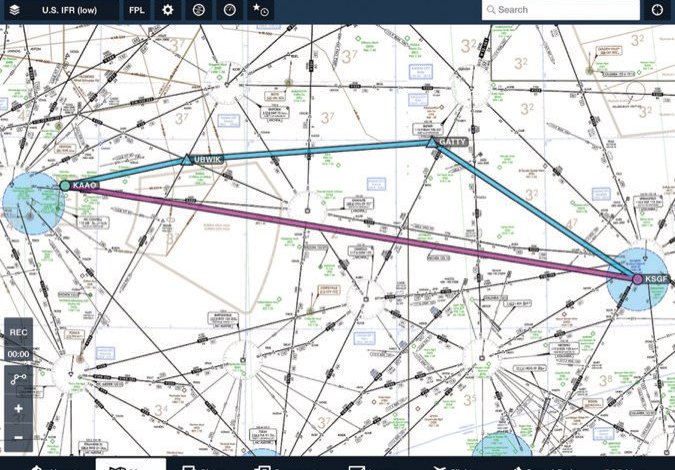
Dont you hate it when this happens? November 12345, I have an amendment to your clearance…advise when ready to copy. Then ATC gives you the barely pronounceable name of a waypoint you never heard of. Youre given a re-route around restricted airspace or a military operations area (MOA) that just went hot. Or youre making a short positioning flight in IMC, and have to make rapid-fire GPS flight plan updates and heading changes when youre cleared for a approach just as youre leveling off from climb.

Read More »

Flying For Money

A year and a half ago, it dawned on me that what I most enjoyed about my previouscareer as a science communications consultant was when I got to commute to visit clients in my faithful Cessna 180. With some 1500 hours in my logbook-accumulated primarily on those business trips-I sent out my rsum to two area commercial operators. In response, I got two job offers. Wow. What a game-changer for me. I jumped into the Part 135 world with both feet and left my previous career behind. Now, with more than a year under my belt flying for money, I have been reflecting on how profoundly the move from Part 91 to Part 135 has affected my risk management experiences and choices.

Read More »

Farewell, DUATS

For many pilots, the transition likely wont be noticed. Popular electronic flight bag (EFB) apps like ForeFlight and Garmin Pilot long ago went beyond what is/was available on DUATS alone and pulled in data and imagery from a variety of sources. That will continue. And the many other aviation weather services available from Jeppesen, The Weather Company and other providers arent going anywhere. In fact, if it wasnt for the success of DUATS, those other services might not exist, or might not be as ubiquitous as they are.

Read More »

Water, Water Everywhere

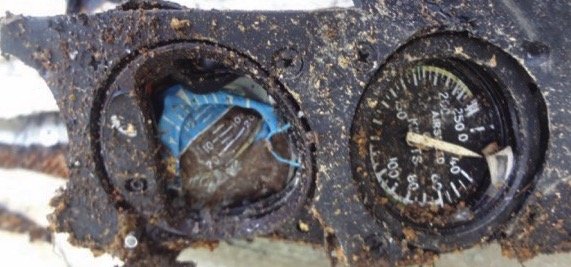
While retrieving the airplanes paperwork and keys, I was told its airspeed indicator (ASI) was acting up. It was reading low, according to the FBO, and the airplane was due for some shop time later that day. The shop hadnt opened yet that morning, though, and I had plans later in the day, making a delay problematic. I asked if the airplane was grounded. No, was the response.

Read More »

Good To Go?

Regardless of what you fly, how its equipped, and how old or new it is, you eventually will encounter inoperative instruments and/or equipment during a preflight inspection. It can be something known to the operator and the maintenance department, or it can be something new. Once the inoperative component is discovered, you have to make a determination whether its legal to fly the airplane without repairs, and then decide if its safe to fly. The two are not the same.

Read More »

Risk And Benefit

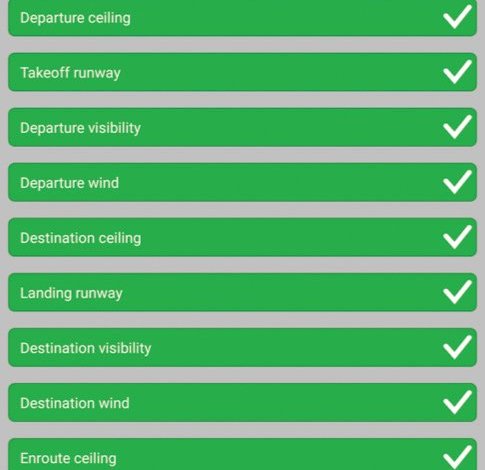
I much appreciated Robert Wright’s May 2018 article, Risk Assessment Tools. We use a version of a flight risk assessment tool in our flying club, and while I agree that numerical values should not be the sole criteria for the go, no-go decision, the process does provide a checklist of sorts for decision-making. The most valuable risk assessment tool I use is not found on any web site or aviation app, but is the application of a simple philosophy: If I have to analyze a go, no-go decision for more than a few seconds, it is a sure sign that the risk requires serious mitigation or a willingness to stay safely on the ground.

Read More »

Aviation Accident Data For Skeptics

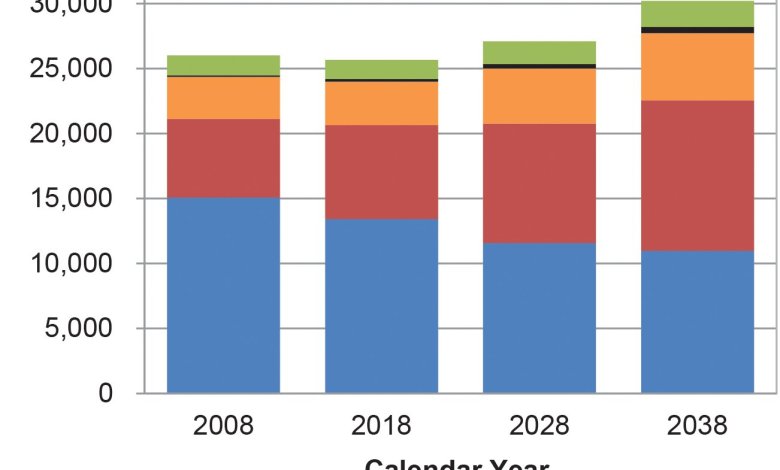
An aircraft accident would seem like an easy thing to identify: Look for the smoking crater with a few pieces of empennage sticking out, right? Okay, that one probably qualifies. But the national statistics are derived from a very specific definition of accident thats not based on either the events immediate effects on airworthiness or the projected cost of repairs. Airplanes can be and often are scrapped for damage that would cost more to fix than their hulls are worth but still doesnt qualify as substantial enough to merit reporting. Conversely, damage that does qualify sometimes goes unnoticed by the pilots who inflicted it, only to be discovered on a later pre-flight inspection.

Read More »
Pilot in aircraft
Sign-up for newsletters & special offers!

Get the latest stories & special offers delivered directly to your inbox.

SUBSCRIBE