Critical Moments

NTSB Reports: April 2017

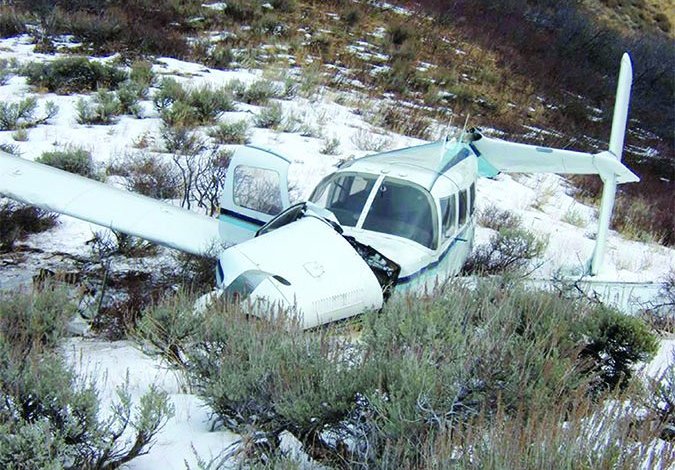
At about 0937 Mountain time, the airplane was destroyed when it collided with mountainous terrain. The private pilot and three passengers were fatally injured. Instrument conditions prevailed.Radar data show the airplane reached its cruising altitude of approximately 8000 feet msl some 12 minutes after takeoff. The airplane subsequently descended about 1300 feet in one minute before entering a momentary climb, which was followed by a shallow descent. In the remaining two and a half minutes, the airplane maintained a 300 fpm descent rate, with some intermittent climbs. The final two radar targets show the airplane climbed about 425 feet in 12 seconds. The airplane maintained a straight track from its departure airport to the last radar target, which was within 0.1 nm of the 6670 feet msl accident site.
Read More »

Risk And Consequences

One of the first and most obvious choices we make when using a personal airplane is routing. We want to get from Point A to Point B, usually by the shortest, most direct route. So far, so good. What if that route increases the consequences of the risk in question, namely that our sole powerplant will fail at the worst possible time? Maybe change the route?

Read More »

Get The Lead Out

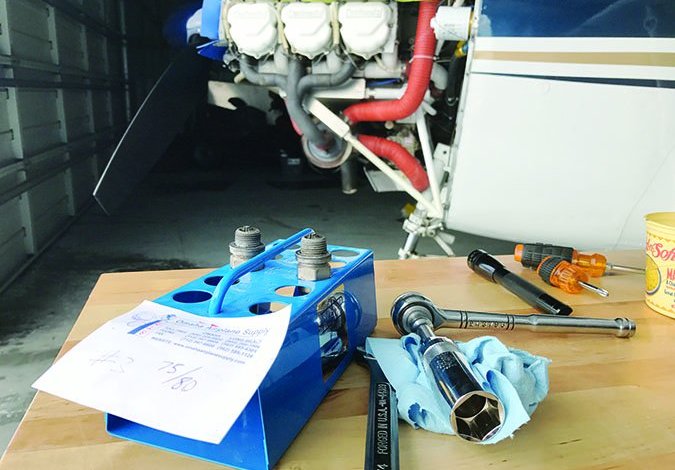
There is a fundamental reason we perform preflight run-ups and engine checks before takeoff: It is a whole lot better to find problems at 1G, 0 feet agl and 0 knots airspeed than it is while airborne. Making sure a powerplant will work as we intend before taking off is just good airmanship. A good run-up doesnt mean everything is perfect, however, and we train for airborne engine problems, including full use of its controls and instruments.

Read More »

NTSB Takes On Midair Collisions

In the aftermath of its investigations into recent midair collisions the National Transportation Safety Board (NTSB) in November released guidance for pilots stressing the inherent limitations of the long-standing see-and-avoid practice and urging adoption of technological solutions. The NTSBs guidance is found in Safety Alert SA-058, Prevent Midair Collisions: Dont Depend on Vision Alone. The Safety Alert is available in the PDF file format free for the download at tinyurl.com/SAF058.

Read More »

Aviation Safety 2016 Editorial Index

Catastrophic FailureAugustClassic CFITMayCloak Of InvincibilityDecemberFifteen MilesJuneMinimum EquipmentMarchMissing Flight PlanOctoberMostly MundaneJanuaryRunning The ScudAprilSpin Recovery FailureSeptemberThe Impossible TurnFebruaryToo Much Automation?NovemberUnsecured CargoJuly

Read More »

When The Earth Moves

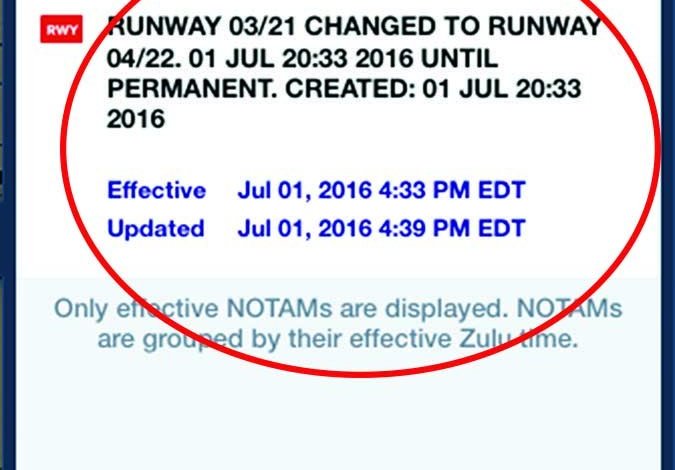
Everyone aboard the Beech Model 17 Staggerwing in which I was a passenger had been to the Driggs, Idaho, airport (KDIJ) dozens of times, perhaps even hundreds. Driggs Reed Memorial Airport is one of the more scenic airports in the country, much less Idaho. But as we approached, we could tell something was amiss. The pattern was busier than usual, and we heard a call for Runway 22. All three of us knew with confidence that Driggs single runway is laid out 03-21, but a second and third plane called in approaching the same, seemingly wrong runway.

Read More »

Distracted Flight Checks

As election day loomed, I realized I hadnt secured an absentee ballot. What to do? Fly home and vote, of course-any excuse for a cross-country. So I reserved the Skyhawk for the full day and invited a friend to join me. This was one of my first cross-country flights in a while. And it was the friends first-ever flight in a personal airplane, so he peppered me with questions as I pre-flighted the rental and got my act together.

Read More »

Local Knowledge

If youve ever wanted to see something you wrote appear in an aviation magazine with your name, heres your chance. Each month, this space is devoted to giving readers the opportunity to share with other pilots something theyve learned about flying aircraft. Well always assure anonymity if you want it, but well be happy to put your name on it, also.

Read More »

Precautionary Landings

Post-accident investigation indicated the warm front started moving faster and the weather deteriorated sooner than forecast. The airplanes radar target went directly toward the destination for about 110 miles, and descended to only about 800 feet agl. The track then turned into the afternoon sun and haze toward an airport only seven miles away. About two minutes later, the airplane turned left and descended below radar coverage.

Read More »

When Aircraft Fuel Runs Out

With the engine still running and sputtering, we were getting closer to the airport. With about 10.5 hours of dual under my belt, I was not frightened for some reason, assuming we would disembark and swim if it came to ditching.

Read More »
Pilot in aircraft
Sign-up for newsletters & special offers!

Get the latest stories & special offers delivered directly to your inbox.

SUBSCRIBE