Critical Moments

Fixations

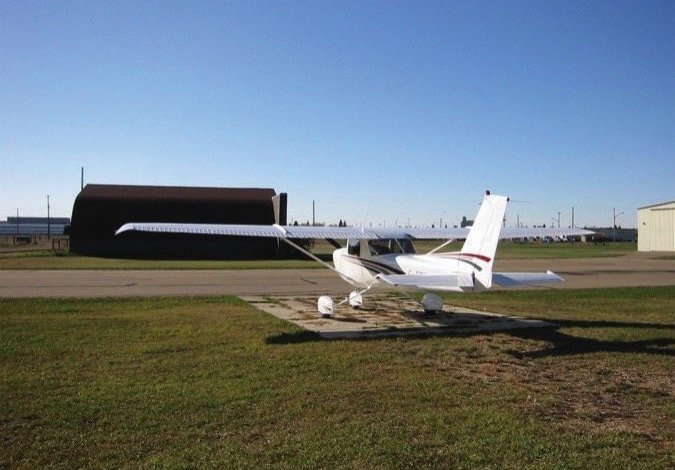
A pilot-buddy and I were flying two airplanes to the runway at Cape Hatteras, N.C., to spend the day on the beach. Both my rented Cessna 172 and his recently purchased Piper Warrior were loaded with people and gear for the trip, and we both had departed with restricted fuel. Wed hooked up en route at a prearranged time, location and altitude, and were chatting back and forth on the air-to-air frequency. Plan A was to stop in Elizabeth City, N.C., and take on enough fuel for each of us to get back to our respective bases that evening without stopping.


Read More »

Oil Filters

Following a scheduled oil and filter change, the technician noted lower-than-normal oil pressure at idle. The new filter (p/n CH48110-1) was replaced and oil pressure indication was normal. Examination of the replaced filter noted some paint chips had been removed in the flange area. The submitter suspects that a paint chip could have contaminated the filter, causing it to go into bypass. These filters are packaged in cardboard boxes. There was no damage noted to the box containing the filter.

Read More »

Return Strategies

We were ready to take off from a nontowered airport into a 700-foot overcast ceiling. Through a remote communications outlet (RCO), Id received my IFR clearance with instructions to hold for release and call ATC when I was number one for takeoff. Taxiing out, I saw a Cessna Citation Mustang light jet at the hold line. I swung onto the run-up pad, knowing I had plenty of time because the Mustang pilot would be holding for his release, and I would not be permitted to depart until he was airborne and well away from the airport.

Read More »

Undoing An Upset

Lets start by dispensing with the obvious: Loss of control in flight is a lousy explanation, and not much better as a description. Eventually well come up with something better, which hopefully will reflect the myriad ways pilots can let aircraft get away from them. Spatial disorientation in IMC is as different from a moose stall as wake turbulence is from sloppily flown S-turns on final. At best, the ICAOs accident taxonomy-adopted by the FAA and NTSB, presumably in the name of harmonization-provides snapshots of how accident sequences end with negligible insight into what triggered them or how they developed. As a safety strategy, Dont lose control is about as useful as Dont let the engine quit.

Read More »

Landsberg Becomes NTSB Vice-Chairman

From the military to his long tenure at the AOPA Air Safety Institute, Bruce Landsberg has a long and respected career in aviation safety, years of experience that will serve him well at the NTSB, said AOPA President Mark Baker. We thank the White House for nominating him and the Senate for its confirmation vote. General aviation is safer than ever, and we look forward to working with him and the NTSB to keep improving and giving pilots the resources and training they need to fly safer.

Read More »

Potpourri

By the time you read this, itll be late September or early October. In some regions of the U.S., that means leaves changing color, frost on the pumpkin and winterizing the house, the vehicles and the airplane. In other regions, like where I am, it means shutting off the air conditioning, opening the windows and putting a final close cut on the yard. Cooler, better flying weather, along with some seasonal challenges, likely will confront us all soon.

Read More »

Backcountry Safety Culture

Many of todays workplaces seek to create a formalized safety culture, an environment where employees practice behaviors that minimize accidents, look out for their co-workers and where reporting unsafe conditions is encouraged, not subject to retaliation, and frequently rewarded. It can be a great goal, but it often creates an exaggerated sense of safety where people need safety training to use a power strip and posters about how to get out of a car without tripping. The goal of creating a safety culture often ends up a corporate farce, since the best safety cultures are not created by artifice, but happen naturally because people really care.

Read More »

Beyond Flaps

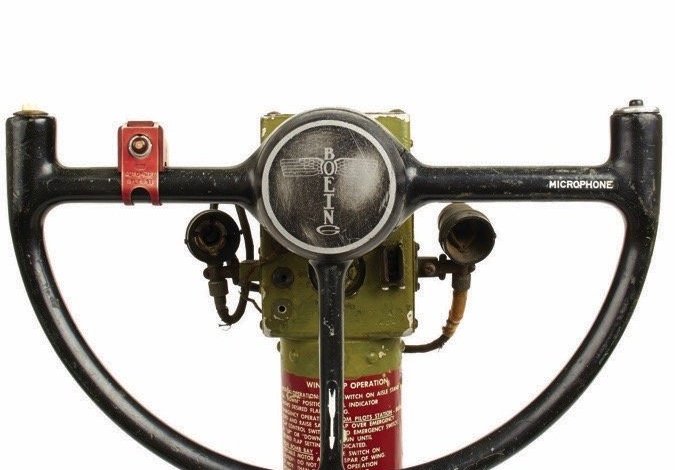
Boeings 727 has always been one of my all-time favorite airplanes. Ive never flown in one as anything other than self-loading freight, but Im old enough to remember when the 727 (and the DC-9) brought jet comfort and performance to smaller, outlying airports where the eras long-haul mainstays-707s and DC-8s-couldnt operate. These days, of course, economics-fuel burn, plus the need to pay three pilots-and noise regulations have relegated the venerable three-holer to tramp-freighter status or the scrapyard.

Read More »

NTSB Reports

The pilot later stated he selected the landing gear handle to the down position, but the main landing gear did not lock in the extended position. He then selected the landing gear handle up, but the landing gear did not retract. After maneuvering away from the airport, an attempt to pump down the gear with the emergency hand pump was unsuccessful. An airframe-mounted mirror indicated the left landing gear was down. During the landing, the right main landing gear collapsed and the airplane veered to the right and departed the runway surface, coming to rest on the parallel taxiway.

Read More »

Bad Yokes

During a scheduled inspection, technicians encountered corroded and bent control yoke boss attachment hardware that proved difficult to remove. After consulting with the manufacturer, the final recommendation was to remove the boss via cutting the bolts (p/n 2315152-33). Manufacturer was able to repair the yoke assembly using SB 31-27-11 and kit 2381602-801. Aircraft had been parked outside without gust locks.

Read More »
Pilot in aircraft
Sign-up for newsletters & special offers!

Get the latest stories & special offers delivered directly to your inbox.

SUBSCRIBE