Resist the Urge
Since most flights end in VMC, it’s common to cancel the flight plan as soon as you’ve got eyes on the airport. Good idea? Only sometimes—it can be a tough call.
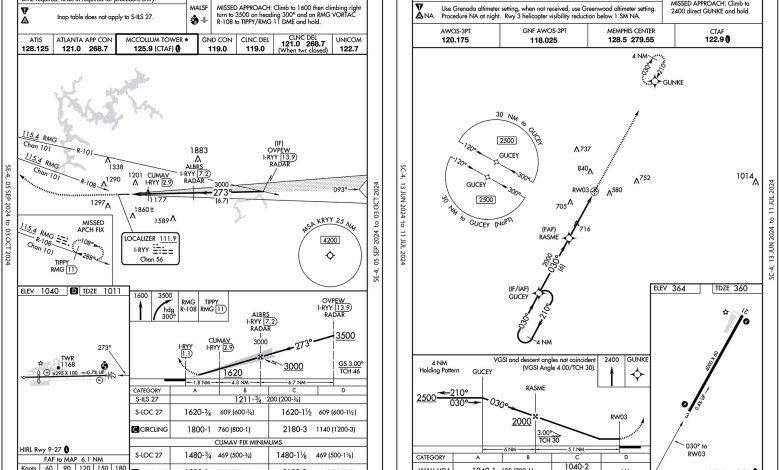
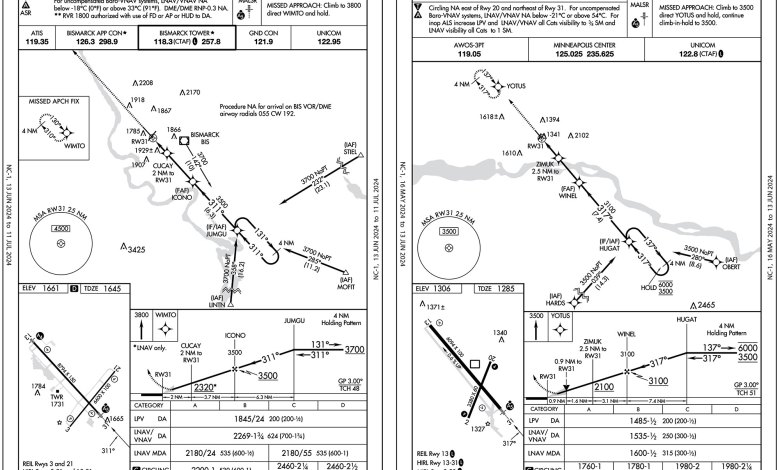
Those out-of-the-way airports tend to be basic—one or two simple approaches. But simple doesn’t always mean easy. There can be a lot of decisions to make.
Defining good weather, enough for a visual approach, can be tricky. Use that instrument procedure as a backup, but be sure to adjust for those ever-changing conditions.
No glidepath, short runway? No problem, at least on paper. Still gotta have skill, not just the numbers, to take on a challenging approach—and always have a Plan B.
RNAV sure has some great perks. But all the same decisions and fine print apply, especially on approach. That means thinking and flying—at the same time.
Instrument procedures aren’t always just for instrument conditions. Some require VMC for obstacle avoidance, which is guaranteed—if you follow the instructions.
It’s common to auto-fill the alternate box with a nearby airport that meets legal weather and fuel requirements. But sometimes, a better alternate can be found nearby.
Combining IFR and VFR modes in one trip can happen in a number of ways for your flying convenience. Just know how to work the options to stay legal and safe.
Destination alternates are common elements in any plan, but not so much takeoff alternates. They can be a big help should a flight get cut really short.
When’s the last time you reviewed your lost-com procedures? It can still happen…