













Register

Mixing It Up

Combining IFR and VFR modes in one trip can happen in a number of ways for your flying convenience. Just know how to work the options to stay legal and safe.

Gemini Sparkle

Key Takeaways:

  • Canceling IFR or transitioning to VFR can be a strategic in-flight tool for mission flexibility, allowing pilots to adapt to conditions for scenic flying, specific routing, or avoiding complex IFR procedures.
  • For flights with multiple legs or planned IFR-to-VFR transitions, pilots must file separate IFR flight plans for each segment, as composite plans or multiple stops on a single IFR clearance are not supported by ATC.
  • Pilots must be prepared for dynamic decision-making, including amending flight plans, canceling IFR, or acquiring new clearances (even after a VFR departure), to navigate changing weather, airspace, and operational needs.
See a mistake? Contact us.

Cancelling IFR doesn’t always signify the conclusion of a trip, although that’s what happens most of the time. Stepping out of the system can be an in-flight tool to help fit the mission, so long as you have the appropriate plan: Stay in VFR conditions until you land, or initiate a new IFR flight plan, or receive a clearance for a filed plan at a predetermined point. Or, try on all three for size.

Flight Plan(s)

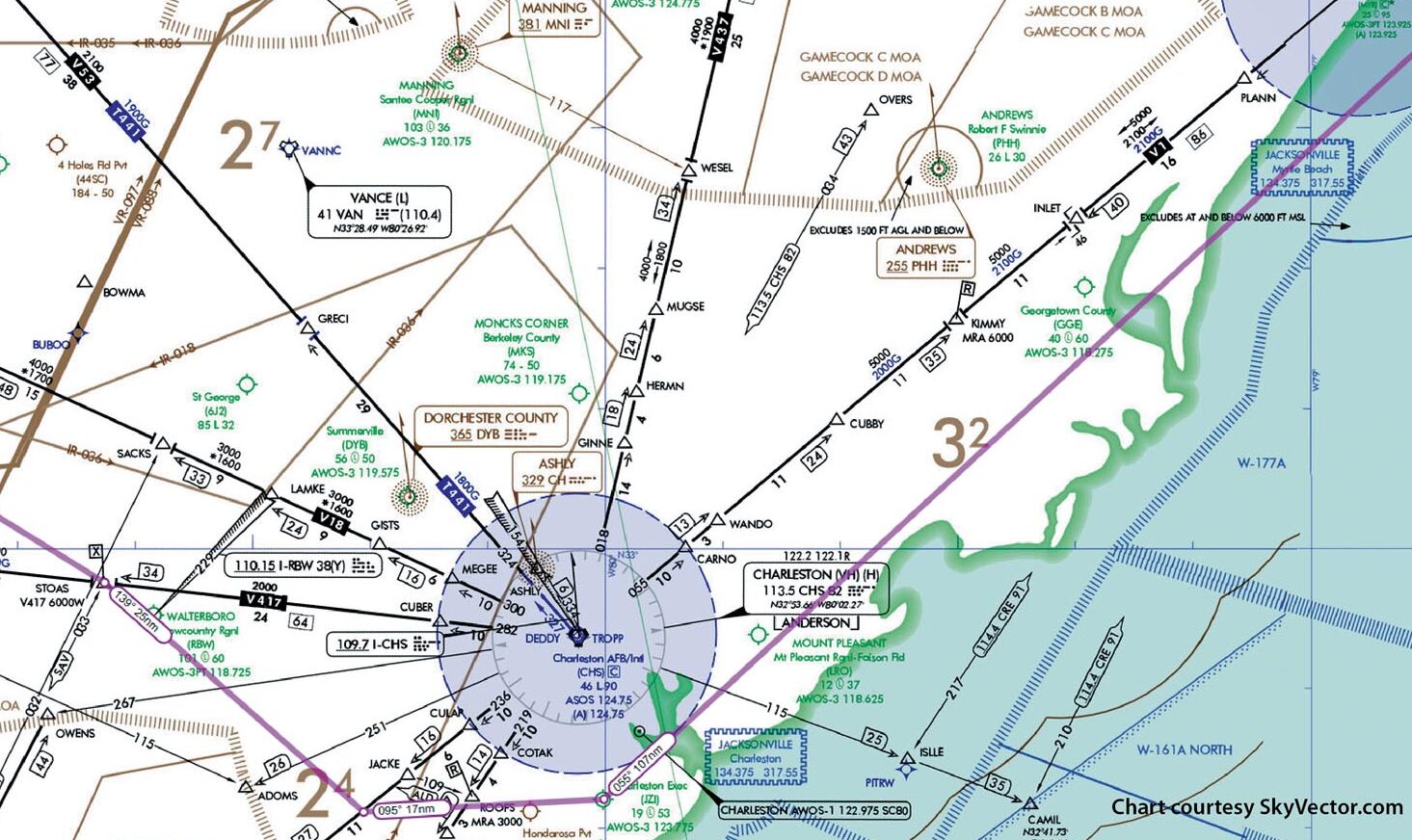
You mocked up a three-day getaway from Griffin, Georgia, to Ocean Isle Beach, North Carolina, in your personal single-engine. It won’t exactly be an A-to-B mission, though. The plan is to fly through the low, rainy IFR weather from Griffin (6A2) eastbound to the coast. From there, you’re hoping the forecasted visual weather awaits so you can treat your passenger to the scenic views.


Ready to Sell Your Aircraft?

List your airplane on AircraftForSale.com and reach qualified buyers.

List Your Aircraft
AircraftForSale Logo | FLYING Logo
Pilot in aircraft
Sign-up for newsletters & special offers!

Get the latest stories & special offers delivered directly to your inbox.

SUBSCRIBE