Systems Check

Energy Errors

The FAA’s Airplane Flying Handbook (AFH, FAA-H-8083-3C) describes energy management as “the process of planning, monitoring, and controlling altitude and airspeed,” which seems straightforward enough. Using the available tools, primarily pitch and power, we’re expected to attain and maintain “desired vertical flightpath-airspeed profiles, detect, correct and prevent “unintentional altitude-airspeed deviations” and prevent “irreversible deceleration and/or […]
Read More »

Polishing Your Scan: Our Top Five Tips

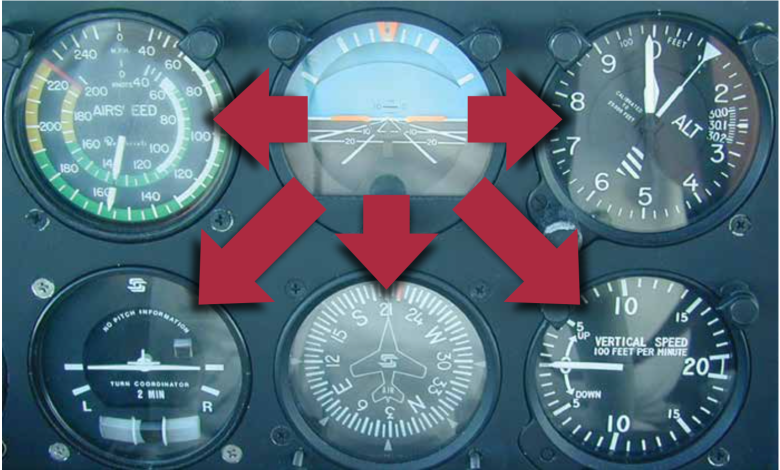
One of the first things an instrument student learns is to scan instruments in the panel, or their EFIS presentation, to determine the aircraft’s attitude. Focusing only on the attitude indication initially, we slowly learn to expand our scan to other instruments, however they’re represented, both for confirmation of what the AI is telling us […]

Read More »

Preflighting Propellers

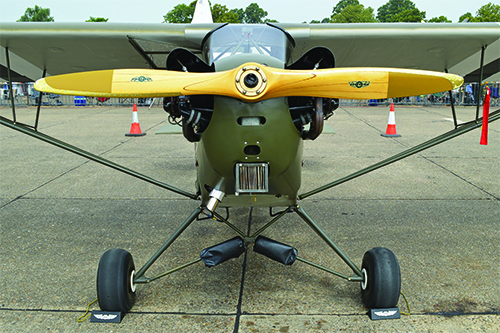
One way to tell if a pilot is serious about his responsibility to conduct a thorough preflight is if he (and it’s always a he) looks at a propeller, notes that it’s still attached and walks right by it to the other wing’s fuel drains. Even if it’s a relatively simple all-metal, one-piece, fixed-pitch affair, […]

Read More »

Vacuum Pump Care and Feeding

Despite their increasing obsolescence, vacuum pumps remain installed aboard the vast majority of piston-powered aircraft, providing the energy to spin the gyroscopes in flight instruments like attitude indicators and directional gyros. Even newer aircraft sporting factory-installed “glass” panels may have a vacuum (or pressure) pump powering one or more backup instruments. Odds are, the airplane […]

Read More »

Brake Master Cylinders

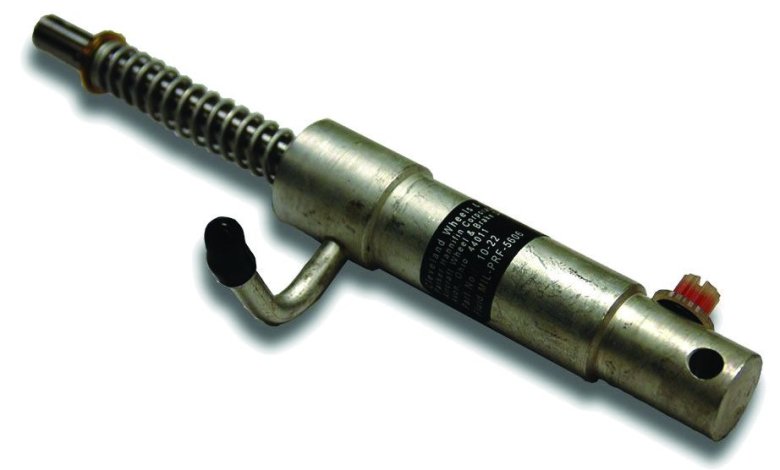
After a brake master cylinder was installed, the technician was unable to bleed the brake system. Fluid pulled from reservoir would return to reservoir through the same line as the internal bypass was not functioning properly. Master cylinder was disassembled and bypass was found stuck and unable to move. Metal shavings were found inside, and an O-ring was torn, with black specks mixed in with the shavings. Part replaced with new master cylinder.

Read More »

Top Ten Tips For Managing Risk

Everyone talks about the weather but no one ever does anything about it. (Stop me if youve heard that before.) The same could be said about managing the risk of general aviation. We-both this magazine and the industry as a whole-spend a lot of time preaching to pilots about the mechanics of understanding weather forecasts, determining if the aircraft is capable, and making honest evaluations of our own performance in considering how and when to conduct a flight. But once we identify the need to mitigate a risk, we sometimes have little space left over to describe the tools we can use. Lets try to fix that.

Read More »

Fresh Out Of The Paint Shop

A few years ago, an engineer, friend and pilot shared a story about retrieving his Cessna 182RG from the paint shop. Before he took the plane out for a run-up and test flight, he asked his even more meticulous engineer-spouse do the preflight. When she did, she discovered something rather important. The bolts and nuts that connected the elevators were just hand-tightened, unsecured by cotter pins. The bolts and nuts securing the primary pitch control surfaces were essentially ready to fall out. Not good. My friend managed a major nuclear facility in Idaho, and he shared the story with his workforce as an example why operators should trust, but verify others work.

Read More »

Notam Changes Coming

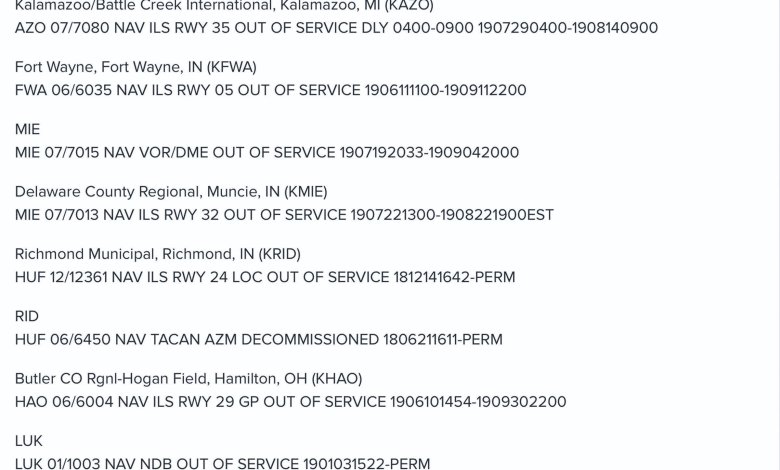
Notams have had a rocky decade, getting most of the blame in 2010 when the FAA accused U.S. Senator James Inhofe (R-Okla.) of landing on a closed runway in Texas. He maintained he researched applicable Notams as part of his preflight planning, but didnt find one for his destination. The FAA didnt agree and brought an enforcement action against the Senator. In turn, Inhofe developed and in 2012 saw enacted the Pilots Bill of Rights, which among other things mandated an overhaul of the Notam system. Subsequent legislation-2015s Pilots Bill of Rights 2, also by Inhofe-sought to further improve the Notam experience for pilots. Its the legislation that created the BasicMed option to traditional FAA medical certificates.

Read More »

Over-Water Risks

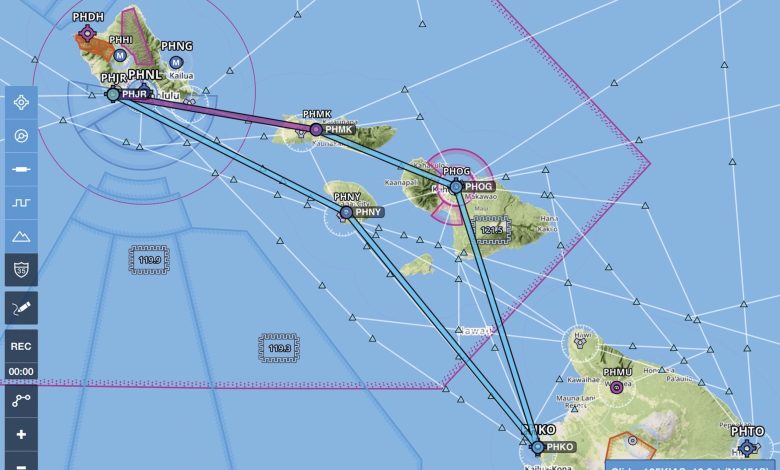
Its an aviation clich that your single engine goes into automatic rough when crossing any significant body of water. To be sure, any engine problem while beyond gliding distance from land is a critical problem, even if you have more than one. When flying a single, its everything. Another clich is that most of us dont bother to analyze the real risks of overwater flying. Any water crossing of any significance-and wed put the Great Lakes, Hawaii and Bahamas in that basket-should be carefully planned to ensure risks are mitigated to acceptable levels. The thing is, both clichs are true more often than not.

Read More »

#OSH19

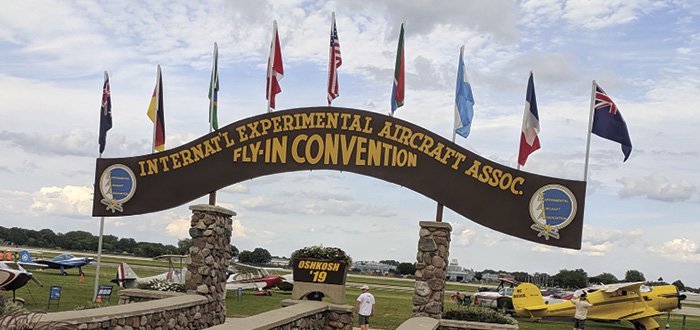
Once again, the Experimental Aircraft Association in July pulled off another great AirVenture fly-in at its home in Oshkosh, Wis. This years event had a little of everything, including torrential rain the Friday evening before Mondays opening day, nighttime air shows and lots of airplanes of every shape, size and purpose. Perhaps because the pre-show rain knocked everyone off-kilter-followed by mid-week heat-the overall event seemed to need more cowbell, but it definitely was worthwhile checking out all the new stuff and checking in with long-time friends.

Read More »
Pilot in aircraft
Sign-up for newsletters & special offers!

Get the latest stories & special offers delivered directly to your inbox.

SUBSCRIBE