Systems Check

Your Missing Air Traffic

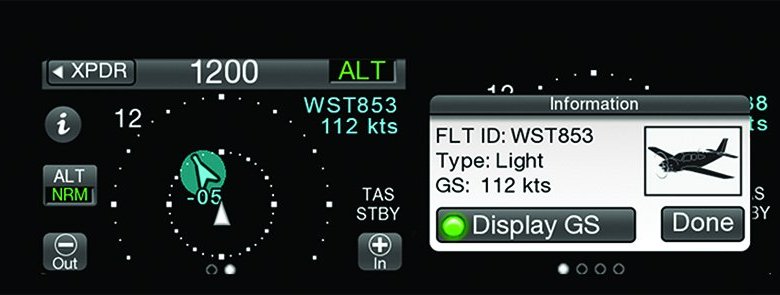
Its not much of a stretch to say that in-cockpit traffic detection technology has never been more prevalent or popular than it is today. From the Boeings and Airbuses required to have a certified TCAS aboard, to the guy or gal banging around in a Cub on a lazy summer afternoon and using the traffic information from ADS-B, its likely some kind of in-cockpit traffic detection technology is available. Theres only one real problem with all of these technologies: theres no way they detect all potential traffic, although some see a more complete traffic picture than others. From that one problem, however, flow two others. The first is the false sense of security even a top-of-the-line system can provide. The second is the extra workload-and especially the additional head-down time-to which pilots are susceptible as they watch the traffic display and not the sky outside the aircraft. But even the best traffic detection and alerting system wont see an aircraft without a transponder, and the traffic information provided via ADS-B has its own set of considerations, which are summarized in the sidebar on the opposite page. Lets take a look at why all this is true.

Read More »

Air-Cooled Engines

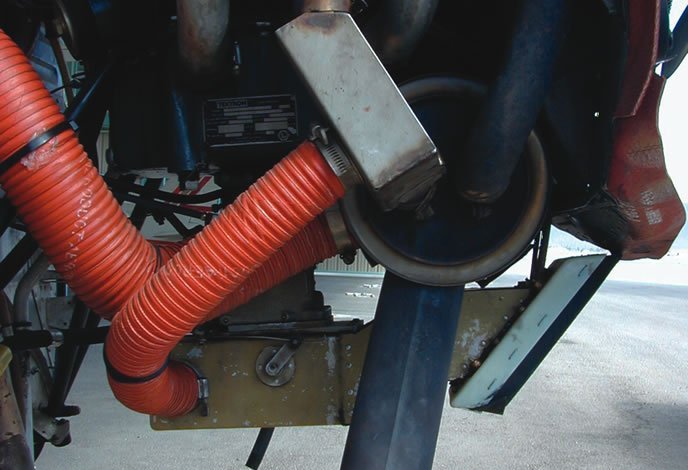
The engines powering the vast majority of personal airplanes are air-cooled. This means they dont have a radiator and a liquid-based system like most automobiles we might drive to the airport. Yes, piston powerplants like those in the Rotax line, as well as many diesel engines designed for aircraft, are liquid cooled. But these more modern designs are in a distinct minority. In fact, besides the metallurgy, the basic configuration of aircraft piston engines has changed little since before World War II: Flat, horizontally opposed or radial designs from that era predominate.

Read More »

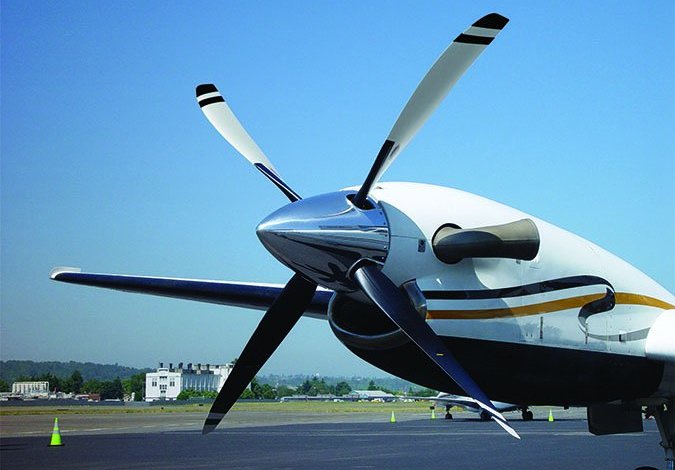
Aircraft Propeller Maintenance

Boiled down to the basics, there are two kinds of airplane propellers: fixed-pitch and everything else. With a fixed-pitch prop, of course, the pilot cant change the angle at which the blades are aligned with the hub and thereby adapt it to situations involving variations in power and airspeed, both of which can influence a propellers efficiency.Depending on an operators needs, a fixed-pitch prop can be designed to maximize cruise speed or climb performance, but not both. In fact, it will be most efficient at only a specific, optimized rpm. At all other rpm settings, performance will suffer. The result found on the typical personal airplane usually is a compromise between allowing the engine to turn at its best-power rpm (climb) and creating the greatest forward momentum (cruise).

Read More »

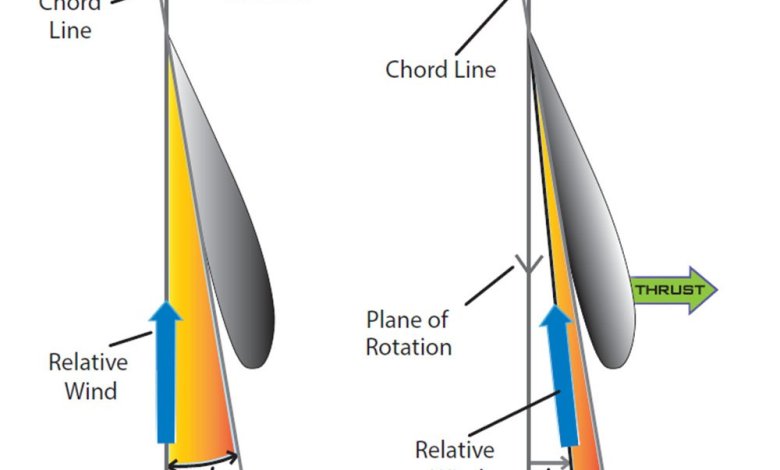
Propeller Blades’ AOA Changes with Airspeed

For some, the concept of how a constant-speed propeller maintains the desired rpm can be a difficult one to grasp. What the FAA’s Airplane Flying Handbook (FAA-H-8083-3B) has to say may help: “When an airplane is nosed up into a climb from level flight, the engine will tend to slow down. Since the governor is […]

Read More »

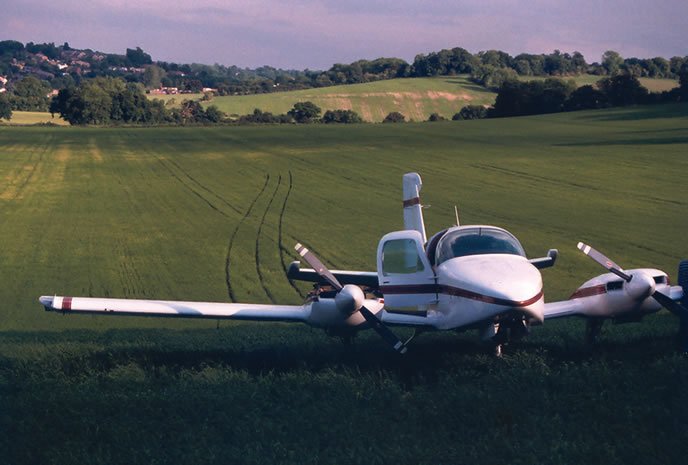
NASAs Latest Crash Tests

If there is any one thing guaranteed to frustrate an airplane owner-there actually are several, but work with us here-its the emergency locator transmitter, or ELT. The ELT, which was mandated by Congress in the early 1970s, got off to a bad start. Relatively short deadlines meant there werent enough of the devices available to meet the mandated demand. And they failed to activate in a crash more than 75 percent of the time. When they did activate, a whopping 97 percent were false alarms, according to the Aircraft Owners and Pilots Association (AOPA), resulting from something like a hard landing.

Read More »

In Need Of Some Restraint

One of the side benefits of having some spare airframes, a test facility and a bunch of motivated engineers is the other kinds of testing you can do. According to Chad Stimson, NASAs project manager for the ongoing ELT testing, other data also is being collected, mostly as a supplement to earlier studies.

Read More »

In-Cockpit Wireless

That brand-new, touch-screen GPS navigator in your panel? Its obsolete. Oh, its got the latest WAAS GPS receiver and more processing power than its forebears, and itll tackle any navigation task from an ILS to a holding pattern to a complicated departure procedure, But its display likely is a generation or two removed from what anyone can buy today in the form of a smartphone or tablet computer.

Read More »

Additional Equipment

While flames in the cabin pretty much assure a bad day, such events are thankfully very rare. Much more common when an in-flight fire erupts are smoke and fumes in the cabin, and they are potential killers.

Read More »

Preventing In-Flight Fires

To help prevent in-flight fires, always insist on having all maintenance done by certified professionals. During the preflight inspection, ensure that fuel and oil filler caps are secure. Additionally, look for leaks and small puddles of fuel or oil on the ground beneath the engine cowling(s) and fuel tanks/sumps. Checking for fuel and oil leaks on and inside the engine cowling also is strongly recommended.

Read More »
Pilot in aircraft
Sign-up for newsletters & special offers!

Get the latest stories & special offers delivered directly to your inbox.

SUBSCRIBE