










Will ATC provide waivers?
Doubtful. However, FAR 91.225, Automatic Dependent Surveillance-Broadcast (ADS-B) Out equipment and use, says:

Doubtful. However, FAR 91.225, Automatic Dependent Surveillance-Broadcast (ADS-B) Out equipment and use, says:

Unless youve been living under a rock, youve probably heard of ADS-B, or Automatic Dependent Surveillance-Broadcast. As of January 1, 2020, youll need this equipment to routinely fly in U.S. airspace where the FARs now require a working Mode C transponder. The FAA rule mandating ADS-B in 2020 went into effect in 2010, so theres little argument that operators havent had enough warning about it, and its not likely the FAA will change the deadline. There are two flavors of ADS-B, the in and out kinds. For now, only ADS-B Out is required in 2020; ADS-B In is optional. Both flavors are operational today, as the two coverage maps below demonstrate.
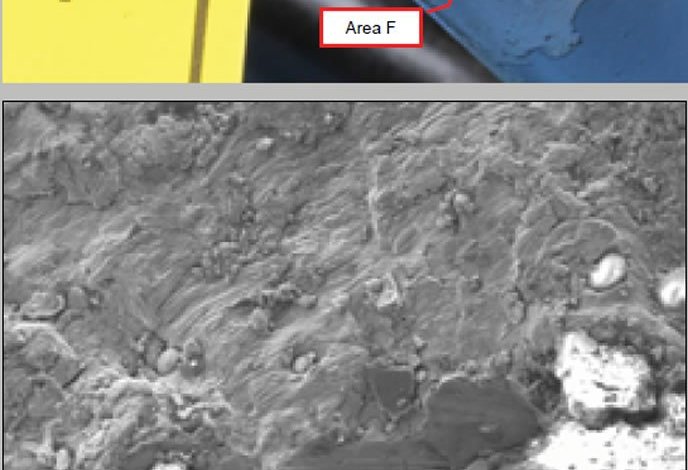
On October 9, 2013, in Xenia, Ohio, a Piper PA-46-350P Malibu Mirage sustained a nosewheel failure and departed the runway after landing. There were no injuries.
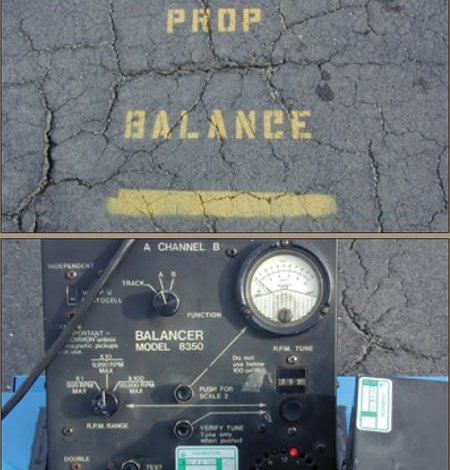
Airplanes vibrate. Airflow on an airframe induces a natural low-level vibration. Engine and propeller operations add their respective notes to this ensemble. Its up to the pilot to be attuned to the subtle differences, whether it occurs in the air or on the ground, though pilots with noise-canceling headsets may be at a slight disadvantage. Listen. Pay attention to how your plane feels. The key is knowing the difference between a good vibration and one that presages impending failure.
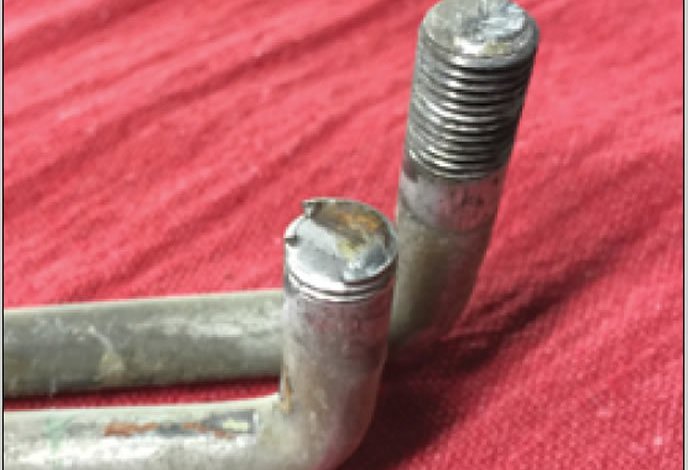
A number of years ago, a fellow owner and I both noticed an unusual shimmy in the main gear of our 182 on landing roll out. My first thought was a warped brake rotor, but the vibration didnt seem to be affected by the application of brakes. Hmm. While it didnt seem like a big deal, it wasnt right either, so we had the mechanic take a look.
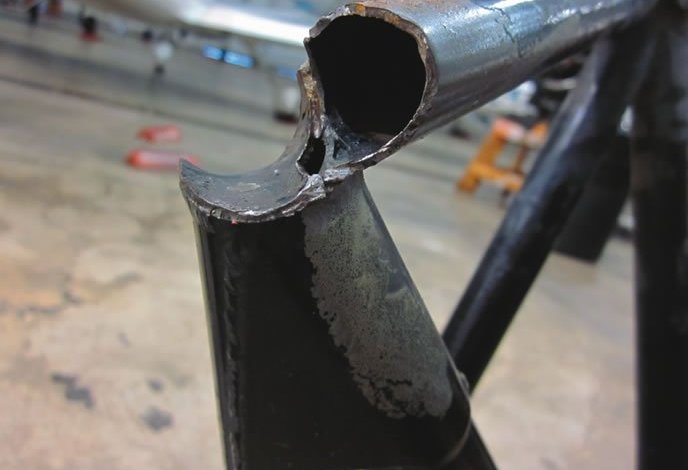
Bolts, screws, rivets and skin-they keep all the parts flying in formation. When they are properly tightened and well fitted, with metal specifications, thread pitches and torques all carefully considered, you and your aircraft parts should land simultaneously. Despite the best care of aircraft designers and mechanics, however, aviation does not always proceed according to expectation. Component failure, the culmination of repeated stresses known as metal fatigue, can mean you and your parts landing in different locations, a situation best avoided.
They go by different nicknames-George and Otto probably are the most popular-and have become an integral part of even a basic IFR platforms standard equipment, especially when flown single-pilot. And because the latest high-tech versions on the market can do just about anything for you except eliminate a potty stop, theyve proliferated throughout all segments of the general aviation fleet. They, of course, are autopilots-electromechanical systems used to control an aircraft, and available in a wide variety of configurations and capabilities from simple wing-levelers to full-blown flight directors rivaling the modern transport jet you rode in last week.
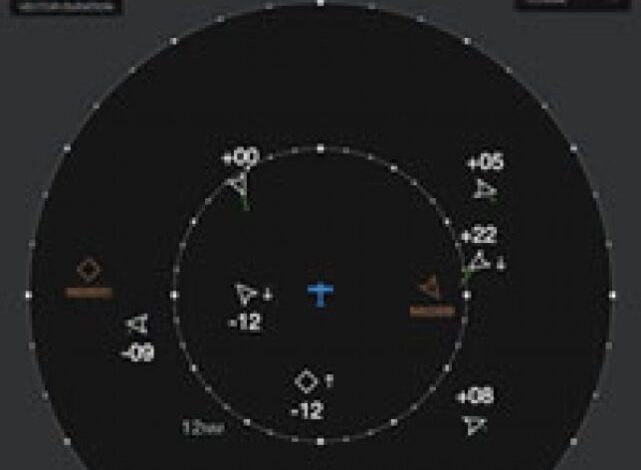
Its no secret among operators and the industry that some of the more interesting recent avionics advances have come not from the established manufacturers but from upstarts developing tablet-based apps and selling portable ADS-B receivers to feed them data. Along the way, theres been a bright line preventing portable devices from providing data to installed avionics aboard certified aircraft, but technologies like Garmins Connext and Aspens Connected Panel are starting to blur it.
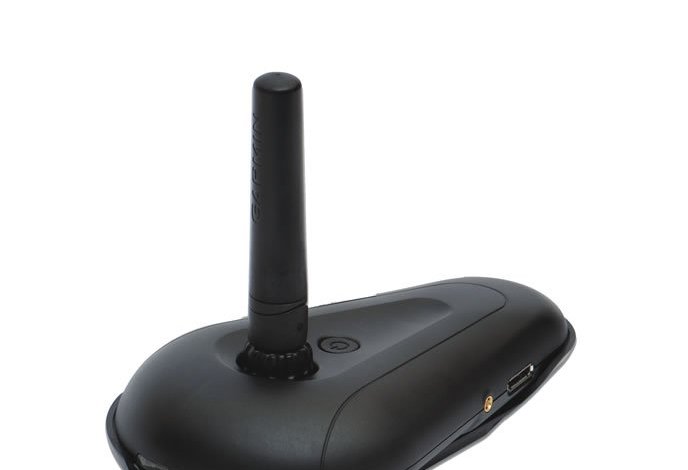
As the FAAs ADS-B network stands up, anyone with an appropriate receiver can obtain its free traffic and weather information services, TIS-B and FIS-B, available via ADS-B IN. Mix in some software, and we can display the results on a tablets moving map using only a portable receiver, often resulting in better situational awareness than when relying only on whats in the panel.
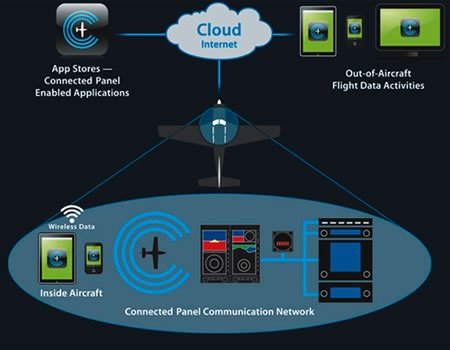
The basic architecture of Aspen Avionics Connected Panel networked cockpit is depicted at left, courtesy the company. Wireless equipment in the cockpit is nothing new, but it rarely was connected to anything other than audio.

Get the latest stories & special offers delivered directly to your inbox.
SUBSCRIBE