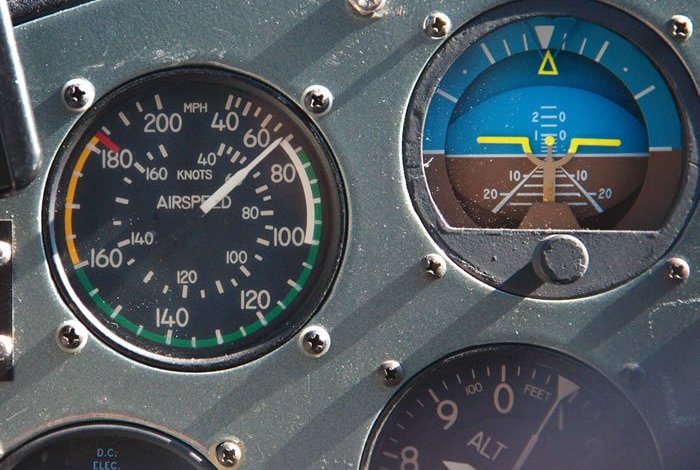
Systems Check

Wheres The Remote?

Believe it or not, its been only five years next month since the first iPad was released. Even though it sometimes seems the tablet computers were developed for aviation use, its been even less time since they were first used in a cockpit. The fact is many pilots these days cant imagine life without a tablet computer of some sort enhancing their situational awareness or displaying a needed chart. And as more and more performance, capability and convenience were shoehorned into them, it was just a matter of time before they were embraced by avionics manufacturers.

Read More »

Foreign Object Debris

Alone, I stood in the cordoned area looking at the remains of an F-16s left main gear wheel rim. A whirlwind Safety Investigation Board notice two days before placed me in this hangar with a table full of junk; a damaged F-16 sat behind me on jacks. Quietly, I contemplated the pieces, methodically shifting broken metal on a table until I had a deformed, but complete, F-16 main gear rim. Within an hours time, Id arranged the tire bits around the junk rim. Three days ago these were in airworthy condition.

Read More »

Logbooks Arent The Whole Story

Not all airframe modifications airframes are officially approved or noted in the logbooks. Shocking as it may sound, many aircraft owners are tinkerers, shade-tree mechanics or aircraft builders. Some have even been known to make unapproved changes and mods without disclosing them to their own mechanics or the FAA.

Read More »

Major Repair And Alteration

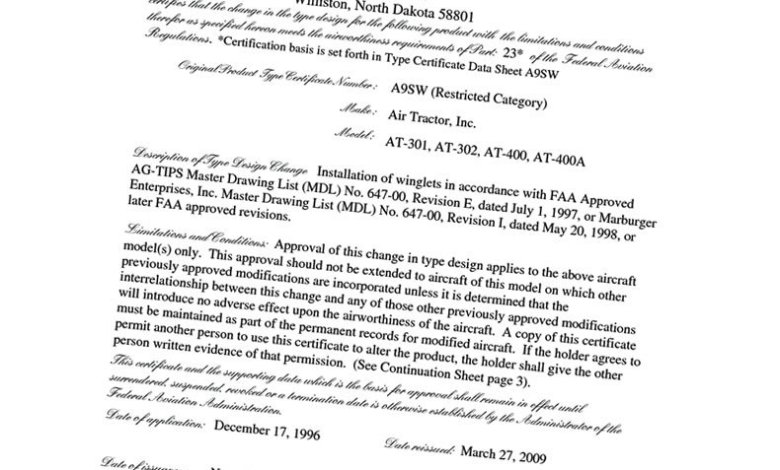
For certified aircraft, the FAA permits major modifications via many regulatory pathways, but the two most common in the GA fleet are via a Form 337 or a supplemental type certificate (STC). A Form 337, Major Repair and Alteration (Airframe, Powerplant, Propeller, or Appliance) is the documentation required for one-off repairs or modifications to an individual airframe, engine or prop. Supplemental Type Certificate (STC) modifications are more of a blanket approval designed to cover an entire family of aircraft types.

Read More »

POH Fiction

My 1954 Cessna 180 was mostly stock when I bought it. That didnt last long. I quickly added a STOL kit, wing extensions and bigger tires. As a result, the stall speed went down, useful load went up and, to a degree, the pilots operating handbook, POH, became a work of fiction because it no longer matches the actual airplane. This outcome is not uncommon.

Read More »

Throttled

Engine failure. Take a breath and collect yourself. Hopefully you have a flow memorized to try and restore power, and maybe it includes the fuel selector, mixture control, boost pump, magnetos and more. But what about the throttle?

Read More »

Wing Shape And Ice

I’m a South Florida lady, and so is my fine flying machine. It’s relatively fat wing, tapered tips, relatively thin horizontal and vertical tail surfaces and elevator with “horns” are made of .032 aircraft-grade aluminum coated with paint (and not even that much paint). And even though I’m at a balmy 30 degrees North latitude, a momentary jaunt through the middle of a building cumulous cloud at the right altitude and outside temperature can easily coat my aircraft in a shiny glazing of thick, clear ice.

Read More »

Using Your Engine Monitor

I remember the first time an EIS (engine information system, commonly known as an engine monitor) saved my bacon. I was in a Cessna 210 I’d flown for many years by that time and we were high over Varadero, Cuba. I looked over at the JPI engine monitor, a retrofit on this L-model, and noticed the LED bar representing the exhaust gas temperature (EGT) for the number two cylinder was bouncing around.

Read More »
Pilot in aircraft
Sign-up for newsletters & special offers!

Get the latest stories & special offers delivered directly to your inbox.

SUBSCRIBE