













Major Repair And Alteration

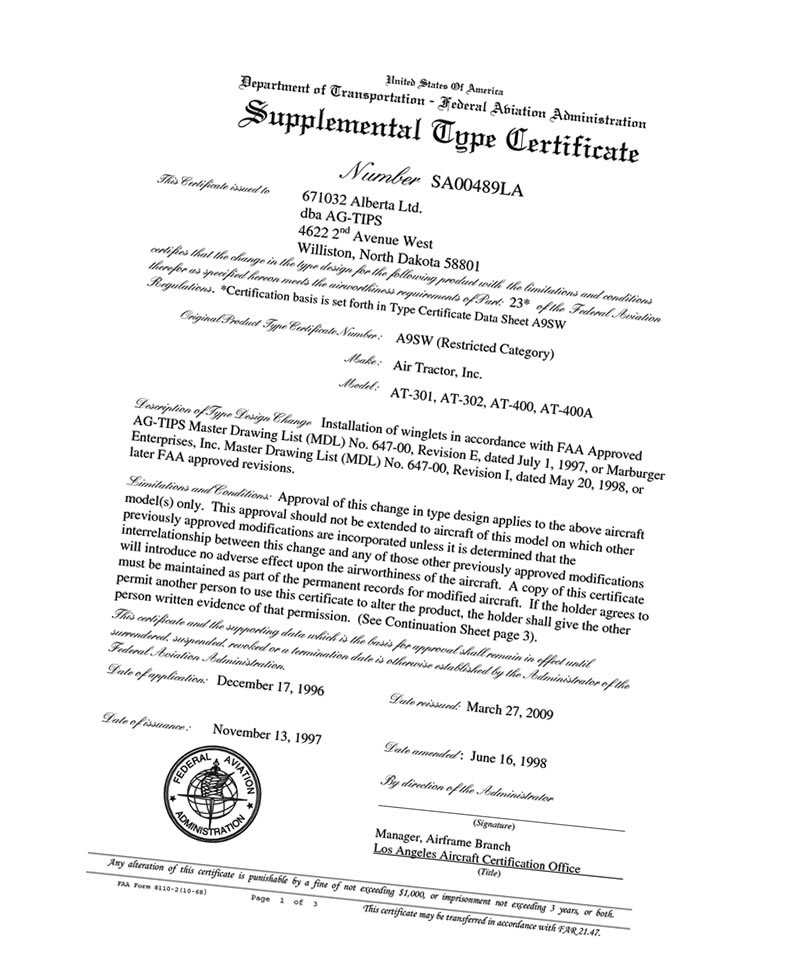
For certified aircraft, the FAA permits major modifications via many regulatory pathways, but the two most common in the GA fleet are via a Form 337 or a supplemental type certificate (STC). A Form 337, Major Repair and Alteration (Airframe, Powerplant, Propeller, or Appliance) is the documentation required for one-off repairs or modifications to an individual airframe, engine or prop. Supplemental Type Certificate (STC) modifications are more of a blanket approval designed to cover an entire family of aircraft types.


Gemini Sparkle

Key Takeaways:

  • The FAA primarily allows major aircraft modifications through two pathways: Form 337 for individual, one-off changes and Supplemental Type Certificates (STCs) for blanket approval across aircraft families.
  • STCs represent a more robust standard than Form 337s, requiring extensive engineering, proof of airworthiness, and often including supplements to the aircraft's flight manual.
  • Both Form 337s and STCs ensure modifications meet FAA legal and safety standards, and any major alteration lacking either documentation should be investigated.
  • Experimental aircraft have different rules, allowing modifications often approved through flight testing, though some performance parameters may remain untested.
See a mistake? Contact us.

For certified aircraft, the FAA permits major modifications via many regulatory pathways, but the two most common in the GA fleet are via a Form 337 or a supplemental type certificate (STC). A Form 337, Major Repair and Alteration (Airframe, Powerplant, Propeller, or Appliance) is the documentation required for one-off repairs or modifications to an individual airframe, engine or prop. Supplemental Type Certificate (STC) modifications are more of a blanket approval designed to cover an entire family of aircraft types.

An STC is a more robust standard than a simple Form 337 that requires more engineering and proof that the intended modifications result in an airworthy plane. In many cases, an STC includes a supplement to the POH or flight manual that notates the changes and identifies how they affect aircraft performance.

Technically, both STCs and 337s meet legal requirements, but 337s can reflect different FSDO sensibilities with respect to documentation and testing. If you see 337s or STCs in an aircrafts documentation, they are a testament that the modifications meet the standards of both the mechanic performing the work and the FAA Flight Standards District Office (FSDO) inspector. An aircraft sporting modifications lacking a 337 or STC should be cause for investigation.

Experimental aircraft can fall into this category. Modifications or departures from kit designs or plans are relatively common. Often the novel change is approved through the flight test period, but other performance parameters may remain untested.

Ready to Sell Your Aircraft?

List your airplane on AircraftForSale.com and reach qualified buyers.

List Your Aircraft
AircraftForSale Logo | FLYING Logo
Pilot in aircraft
Sign-up for newsletters & special offers!

Get the latest stories & special offers delivered directly to your inbox.

SUBSCRIBE