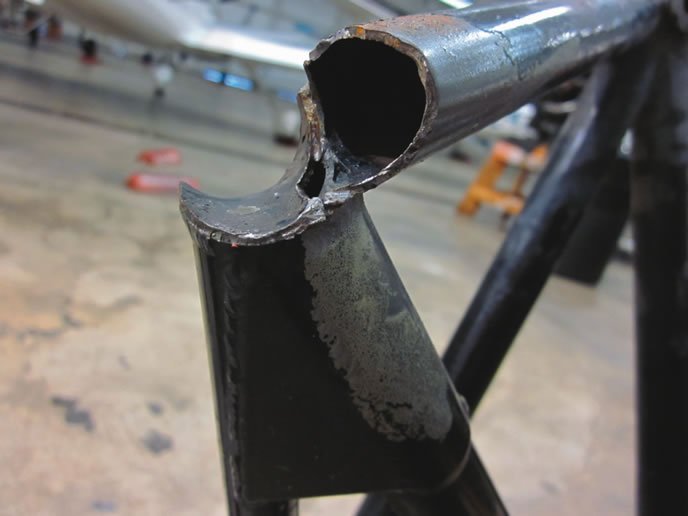
Bolts, screws, rivets and skin-they keep all the parts flying in formation. When they are properly tightened and well fitted, with metal specifications, thread pitches and torques all carefully considered, you and your aircraft parts should land simultaneously. Despite the best care of aircraft designers and mechanics, however, aviation does not always proceed according to expectation. Component failure, the culmination of repeated stresses known as metal fatigue, can mean you and your parts landing in different locations, a situation best avoided.
Metal fatigue, caused by repeated stresses exploiting microscopic imperfections, is a primary reason for aircraft component failure, even in well-designed parts.
Aircraft engineers meticulously design components with specific materials, tensile strengths, and preloading (e.g., proper torque) to withstand expected loads and mitigate fatigue.
Prevention and early detection of metal fatigue are critical, relying on thorough maintenance inspections of "hot spots," strict adherence to design specifications, and compliance with Airworthiness Directives (ADs).
Bolts, screws, rivets and skin—they keep all the parts flying in formation. When they are properly tightened and well fitted, with metal specifications, thread pitches and torques all carefully considered, you and your aircraft parts should land simultaneously.
CREATE A FREE ACCOUNT
Sign up to keep reading
Create a free account to continue. Already a member? Sign in below.