Systems Check

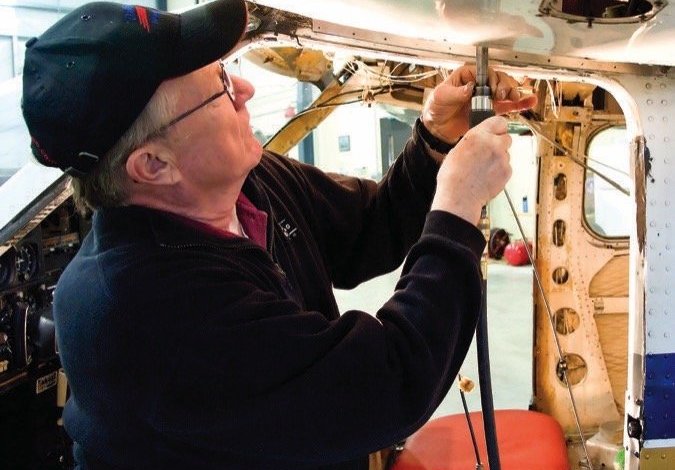
Its Your Job To Check

Theres an opinion among some pilots and mechanics that inspections and scheduled maintenance can do more harm than good. By constantly disassembling and reassembling an aircraft to inspect it, they argue, were prematurely wearing out the aircraft and actually making it less safe. Those same pilots and mechanics note that this is largely true, in their opinion, for aircraft that arent flown very much. For more active aircraft, however, they acknowledge that regular inspections and maintenance are less intrusive and, in fact, beneficial.

Read More »

Risk Assessment Tools

which has since been discontinued. The screenshots above were created using that now-discontinued and unavailable app.üIt’s axiomatic that good risk management begins during the flight-planning phase

Read More »

Ignition Switch Issues

The student pilot was doing an engine run prior to flight. Was unable on the first try to complete the magneto check as the key would not turn from the both position to the left/right/off position. After shutdown, the student was able to select off on the switch. The switch that was installed (p/n 103572101) included a push-to-start function. Found the switch sticking internally and replaced it with a new push-to-start switch.

Read More »

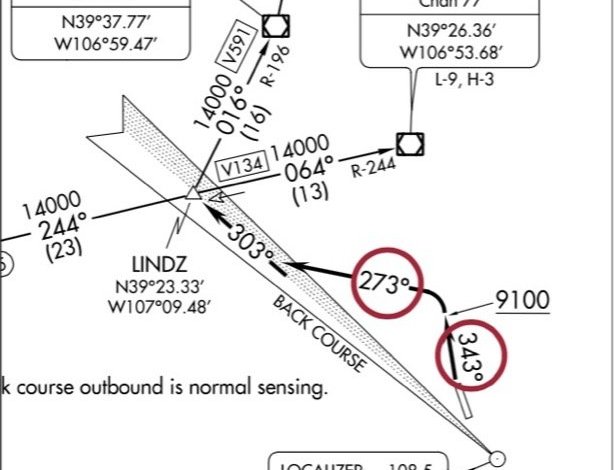
Switchology

About 1 hours into the return flight, I noticed I was switching fuel tanks more frequently than normal. The headwind I now had was payback for the tailwind on my arrival flight. From 12,000 feet msl down to 4000, the headwind was here to stay. I spent several minutes deciding if I had enough fuel. After going back and forth, I decided to play it safe and admit I didnt plan appropriately for the headwind. I located my new destination which was just 10 miles ahead. A sigh of relief came over me as I chose the safer option, stopping to refuel.

Read More »

Spinning Your Gyros

Over the last couple of years, Ive spent some time helping students transition to full-fledged private pilots. One of the first questions I do is ask them is to picture a standard six-pack of steam-gauge instruments and explain what they each do and where they get their energy. Most pilots can quickly rattle off the airspeed indicator, the altimeter and the vertical speed indicator. Those systems are relatively simple to understand and describe.

Read More »

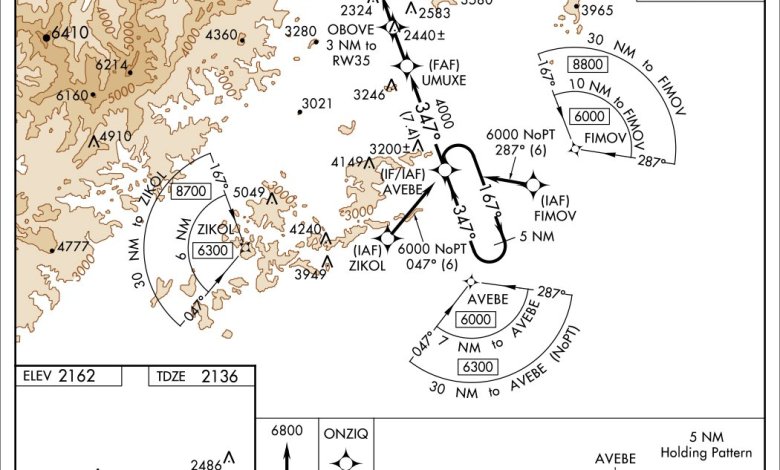
Say Approach Request

In less than 25 years, the miracle of GPS has transformed how even the smallest and least expensive aircraft navigates. Thanks to the wide area augmentation system (WAAS) in the U.S. and similar technologies deployed in other countries, GPS is more accurate, more reliable and more repeatable than what came before. If you need proof, look no further than comparing the faithful instrument landing system (ILS) to its WAAS GPS-based equivalent, the LPV (localizer performance…

Read More »

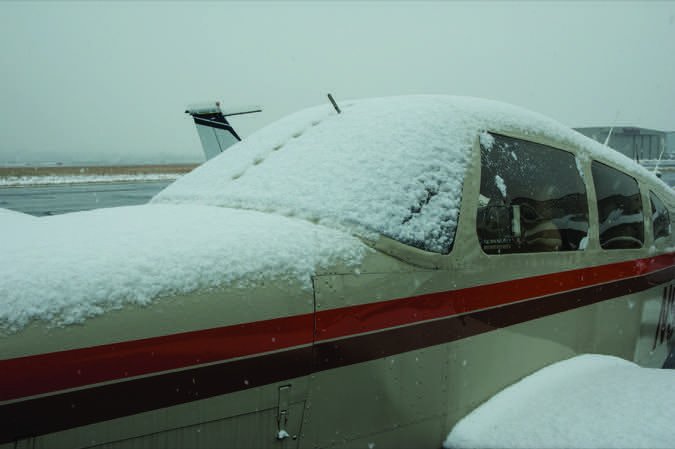
Ready For Winter

Having owned an aircraft maintenance facility, Ive seen a lot of expensive damage to airframes and engines over the years directly resulting from improper winter care by the owner. Winter flying can be very rewarding and enjoyable for you and your passengers with the proper planning. But if winter flying isnt your cup of hot tea, and your airplane will sit outside, you may wish to consider what you can do to make that harsh…

Read More »

One Mile, Clear Of Clouds

Our freedom to fly is a gift. The FAA provides pilots with reasonable rules and regulations, and a lot of discretion to determine the proper course of action. Sometimes the rules are not applicable in all circumstances, or for all pilots and aircraft, so what may seem to be perfectly legal isnt safe, and vice versa. In other words, pilots also are given the freedom to be stupid.

Read More »

Single-Pilot Jets

While most of us probably feel fortunate to be able to fly any kind of general aviation aircraft, most of us also have fantasies about owning and flying more expensive machines, including jets. A small number of us achieve that goal and obtain certification to operate small jets single-pilot. But the safety record of these operations is mixed. Some recent accidents point to gaps in the training and checking associated with single-pilot type ratings.

Read More »

NTSB Highlights Gas Fuel-Related Accidents

The NTSB in August released the latest in a series of what it calls Safety Alerts, which focused on preventable accidents stemming from fuel starvation or fuel exhaustion. According to the Safety Alert (SA-067, Flying On Empty, August 2017), an average of more than 50 accidents each year in the five years from 2011 to 2015 occurred due to fuel management issues.

Read More »
Pilot in aircraft
Sign-up for newsletters & special offers!

Get the latest stories & special offers delivered directly to your inbox.

SUBSCRIBE