Systems Check

NTSB Reports

Upon raising the landing gear after takeoff, the gear motor continued to operate longer than normal, and the pilot heard an abnormal sound toward the end of the sequence. The right main gear was hanging at about a 45-degree angle, and the left main gear was not visible. The pilot completed the appropriate checklists, without change. The pilot declared an emergency and ATC confirmed during a fly-by that the main gear was not extended. During the landing, the nose gear remained extended and the two main gear were retracted. The airplane came to rest on the runway and the passengers egressed without further incident.


Read More »

Clouds In Your CAVU

For a supposedly CAVU day, I was now pointed at a solid cloud bank. I transitioned to instruments while still VFR and entered the clouds continuing toward VOR #3. It was still smooth as I crossed it and adjusted course toward VOR #4. Shortly after crossing VOR #3, there suddenly were a lot of pilots on the frequency asking for course and/or altitude changes to get out of this weather. I was still enjoying a smooth ride.

Read More »

Ag Pilots

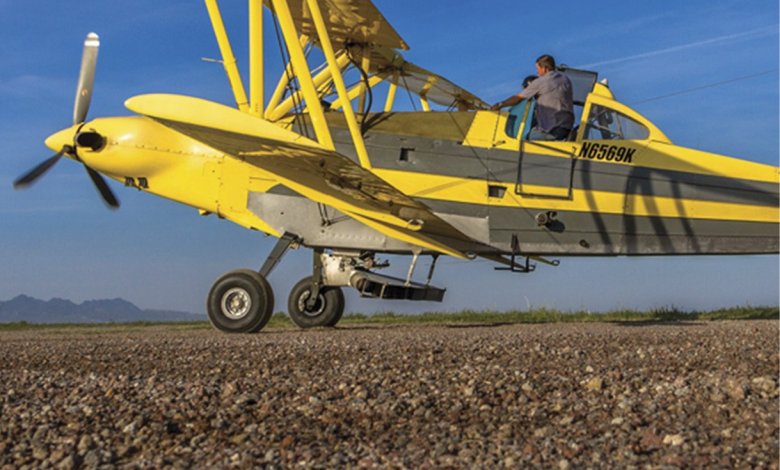
The old stereotype of crop dusters-excuse me, aerial applicators-is that they are scofflaw daredevils, perhaps with behavior issues. That caricature is a relic of the past, when an enterprising farmer would buy a $300 war-surplus Stearman, put a hopper in the front cockpit and fly the plane hard until it broke. It follows that some might think ag pilots are an unlikely source of safety wisdom, and have fallen far behind aviations cutting-edge technology, but the truth is quite different.

Read More »

Control System Servos

At FL400, the autopilot started porpoising and was turned off. Afterward, the aircraft would not trim properly. The crew diverted; it was difficult to keep it pitched down while descending. During the final phase of flight, the yoke was very difficult to input pitch changes, but was okay in the roll axis. After landing, troubleshooting duplicated the problem. Elevator servo (p/n 4006719914) was replaced with serviceable unit.

Read More »

Express Elevator Up

As the morning waned, the weather picture improved greatly, with only scattered showers and clouds over the Mojave Desert and clearing over the west side of the Tehachapi Mountains. We ended up filing to go over Victorville and into Bakersfield to visit family. Soon, we were cruising in VMC at 10,000 feet and looking at the activity over the Mojave. Ahead, there were Pireps for icing above 8000 feet, so we asked for and received routing over Edwards AFB at 6000. Based on what we saw visually and on the FAAs flight information system (FIS-B), we thought we were well out of danger.

Read More »

Dont Be Upset

David Jack Kennys article on upset training (Undoing An Upset, November) was excellent. A year or so ago, my son and I spent a day with Patty Wagstaff in St. Augustine, Fla. We took ground school and two flights each. Not inexpensive, but not outrageous either. We got unbelievable training and spent much of the day in spins and inverted. Back at the hotel that night, we just looked at each other and said, Wow! Were both much better pilots following the experience.

Read More »

Brake Master Cylinders

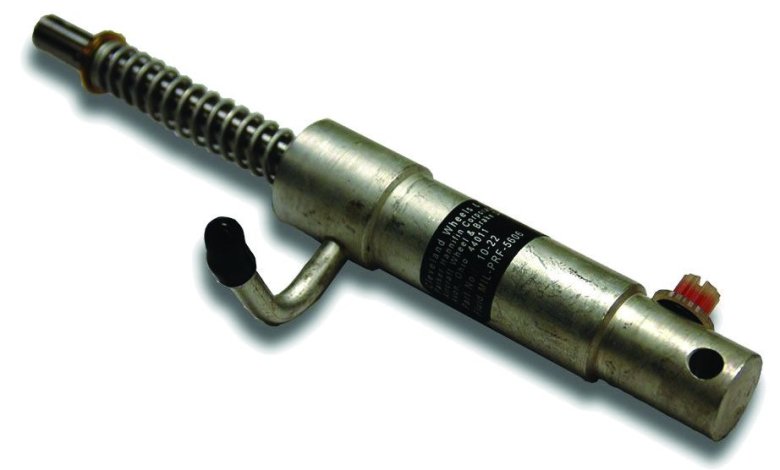
After a brake master cylinder was installed, the technician was unable to bleed the brake system. Fluid pulled from reservoir would return to reservoir through the same line as the internal bypass was not functioning properly. Master cylinder was disassembled and bypass was found stuck and unable to move. Metal shavings were found inside, and an O-ring was torn, with black specks mixed in with the shavings. Part replaced with new master cylinder.

Read More »

EAA Lauds Experimental Aircraft Safety News

Experimental amateur-built aircraft in 2017 achieved their safest year ever, according to the Experimental Aircraft Association (EAA). The association based its findings on the recently finalized results of the FAAs 2017 General Aviation and Part 135 Activity Survey (GA Survey). Pilots of experimental amateur-built (E-AB) aircraft were involved in fatal accidents at a lower rate than has ever been recorded, with 2.63 fatal accidents per 100,000 flight hours last year, the association said. That fatal accident rate-2.63-breaks a record set the previous year, when E-AB pilots were involved in 3.6 fatal accidents per 100,000 flight hours, EAA added.

Read More »

Piston Engine Health Monitoring And Analysis

Looking back, the results were predictable, but the pilots and operators of earlier aircraft rarely had a choice. Advances in technology today allow precise engine monitoring and data evaluation so as to accurately predict and prevent upcoming partial or complete engine failures. In fact, monitoring has improved to the point that its rare for a modern and properly maintained-and operated-piston aircraft engine to fail without some kind of warning. The operators job is to conduct appropriate monitoring and analysis, and then to act when the data indicate a problem. Establishing an engine monitoring program and the minimal investment in equipment and training can be a significant factor in improving safety and reducing the overall cost of operation.

Read More »
Pilot in aircraft
Sign-up for newsletters & special offers!

Get the latest stories & special offers delivered directly to your inbox.

SUBSCRIBE