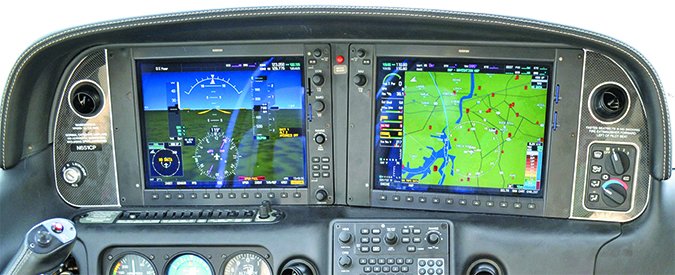
Systems Check

NTSB Reports: July 2017

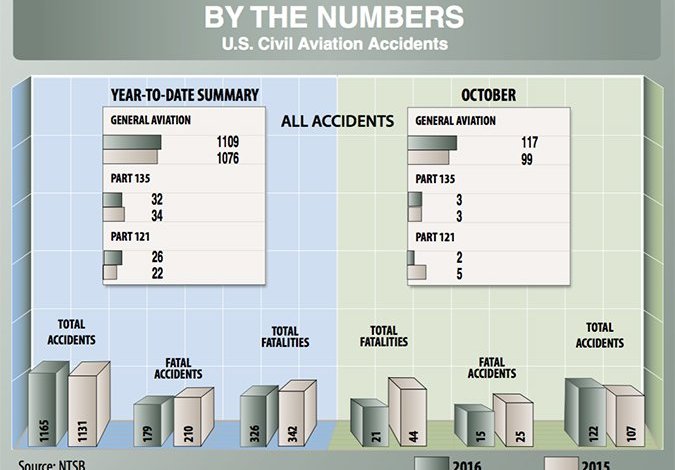
At about 0842 Eastern time, the two airplanes were destroyed in an in-flight collision. The airline transport pilot flying the Cessna and the airline transport pilot flying the Grumman were both fatally injured. Visual conditions prevailed.

Read More »

More On Pireps

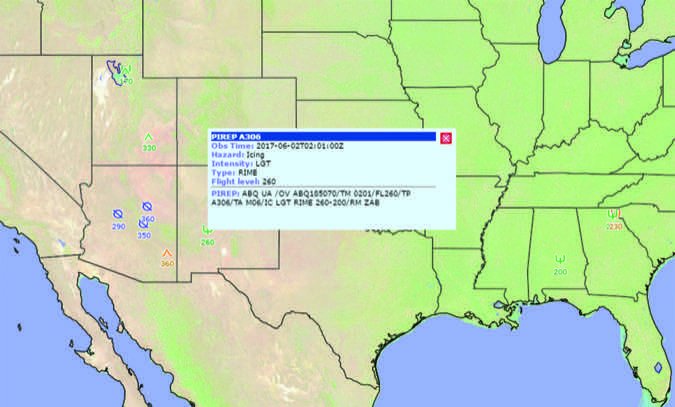
Last month in this space, we reported on a Special Investigative Report (SIR-17/02) from the NTSB, Improving Pilot Weather Report Submission and Dissemination to Benefit Safety in the National Airspace System. Its a 68-page collection of everything thats wrong with the Pireps system. We also highlighted as most interesting one of the NTSBs recommendations: for the FAA to provide a reliable means of electronically accepting pilot weather reports directly from all users.

Read More »

Pushrods

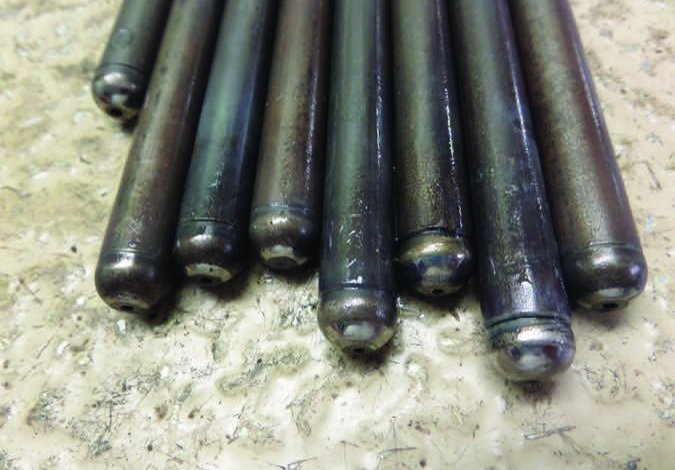
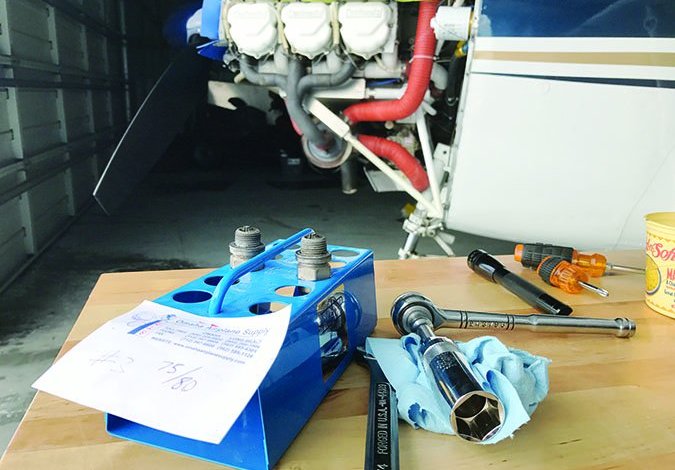
The number 3 cylinder exhaust pushrod broke, due to a valve stuck in the closed position. The valve was not stuck at the time of the investigation. No marks were seen on the top of the piston as viewed through a borescope. The lifter came apart as a result of the broken push rod but appears to have been operating properly prior to the event.

Read More »

Humans And Checklists

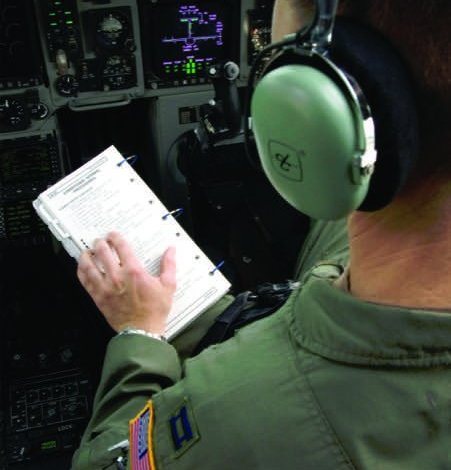
When I got my private at age 18, I was flying a Cessna 152 off a pasture. It didnt take much to memorize the steps necessary to get the old girl started: I followed the old adage, Kick the tires and light the fires. When the checklist said, Gas on fullest tank, it was pretty easy, since the 152s fuel selector is an on/off affair and always draws from both tanks. In my 18-year-old brain, the checklist seemed like an unnecessary list of the obvious. It either directed me to change the airplanes configuration to what it already was in or change it to one that was patently obvious given the stage of flight. In short, my early experiences did not help me build the best of habits.


Read More »

Stabilized Approaches

As a pilot who spent the majority of his time landing on the kind of runways described by Mike Hart in his article, Off The Beaten Path, in June 2015s issue of Aviation Safety, I will testify to the fun of landing at such places. Most pilots will spend their time on surfaces free of undulations, slope and aircraft damaging debris, so it was good to be reminded of how the surface interacts with my flying.

Read More »

Flight Following, Part II

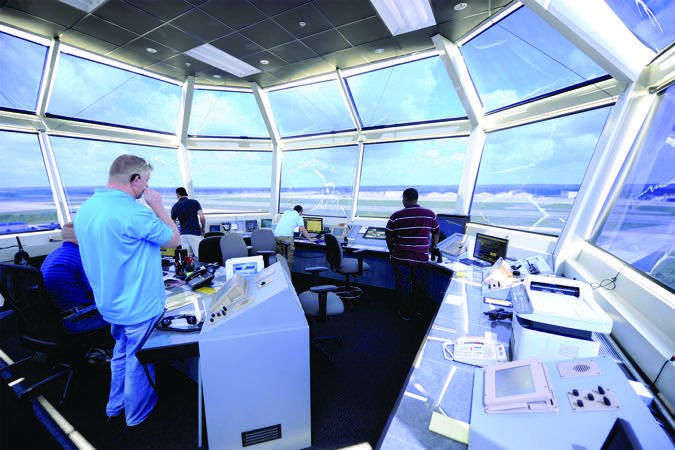
I was motoring home from New Orleans a couple of months ago, sliding eastbound along the shoreline, IFR at 9000 feet. After a controller gave me a frequency change for the next controller, I switched over and listened, which I always do when coming onto a new frequency. The first transmission I heard was a pilot saying something like …and we have four hours of fuel aboard. Hmmm. In my experience, its rare for anyone to talk about their fuel availability on an ATC frequency unless theres an emergency in progress and ATC wants to know souls and endurance.

Read More »

Fuel Tanks

Aircraft had been inactive and hangared for approximately six months. While trying to troubleshoot a fuel quantity indication problem, a fuel sample revealed contamination, which was sent for analysis. While awaiting results, tanks were drained and an anti-bacterial fuel additive was added before they were refilled.

Read More »

Get The Lead Out

There is a fundamental reason we perform preflight run-ups and engine checks before takeoff: It is a whole lot better to find problems at 1G, 0 feet agl and 0 knots airspeed than it is while airborne. Making sure a powerplant will work as we intend before taking off is just good airmanship. A good run-up doesnt mean everything is perfect, however, and we train for airborne engine problems, including full use of its controls and instruments.

Read More »

Top Five Tire Tips

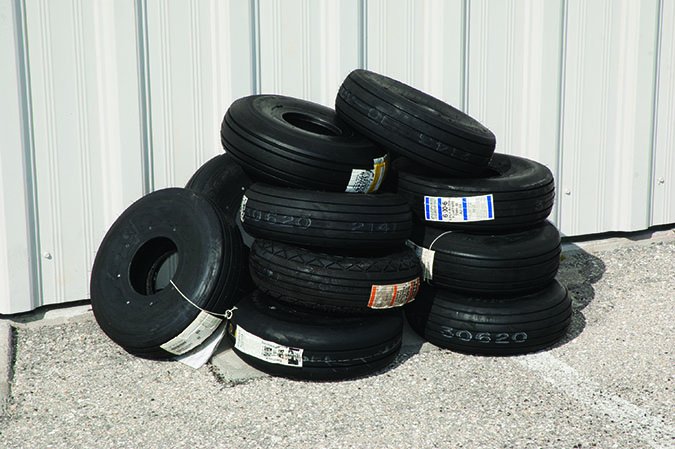
While generally round and black in color, thats almost all the characteristics aircraft tires have in common with their automotive siblings. In fact, a major difference is the construction and materials used in their manufacture. Aircraft tires and tubes primarily incorporate natural rubber while automotive tires use synthetic compounds extensively. Aircraft tires are designed for a very specific job and are part of the landing gear system on almost every aircraft.

Read More »

Instrument Issues

Instruments have been a part of aviation since the first flights by the Wright Flyer equipped with a stopwatch, an anemometer to measure wind speed and a Veedor to measure engine revolutions. With the increase of flight activity in the early years of aviation, aircraft instruments were invented that provided necessary information to pilots for precise control and navigation of their aircraft.

Read More »
Pilot in aircraft
Sign-up for newsletters & special offers!

Get the latest stories & special offers delivered directly to your inbox.

SUBSCRIBE