











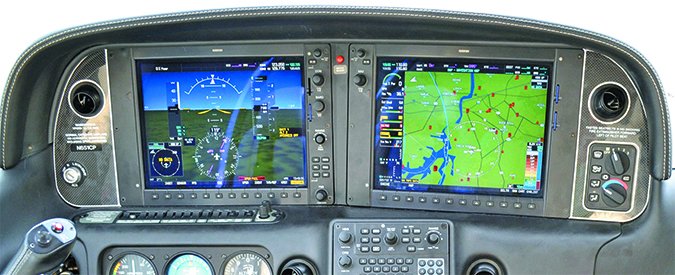


Instruments have been a part of aviation since the first flights by the Wright Flyer equipped with a stopwatch, an anemometer to measure wind speed and a “Veedor” to measure engine revolutions. With the increase of flight activity in the early years of aviation, aircraft instruments were invented that provided necessary information to pilots for precise control and navigation of their aircraft.
In your role as a pilot—and especially if you’re an aircraft owner—it’s important to understand not only how aircraft instruments work but also be knowledgeable of the systems that they interface with. The maintenance and care of an aircraft, its systems and required inspections are a task for which the aircraft owner is responsible. And it is not an easy one.

