











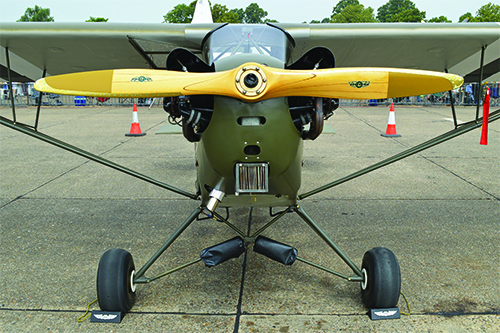


One way to tell if a pilot is serious about his responsibility to conduct a thorough preflight is if he (and it’s always a he) looks at a propeller, notes that it’s still attached and walks right by it to the other wing’s fuel drains. Even if it’s a relatively simple all-metal, one-piece, fixed-pitch affair, things can go wrong with it. If it’s a constant-speed or reversible model, it also has a lot of parts in the hub that retain and actuate its blades.
And it has a tough life. It’s often first to the scene of an incident, for example, and if it’s not properly secured or maintained, it can fail in spectacular ways, throwing blades and shaking engines out of their mounts. A few props have even decided to take the “goodbye, cruel world” route and departed the airplane entirely. It doesn’t have to be that way.

