Risk Management

NTSB Reports: October 2017

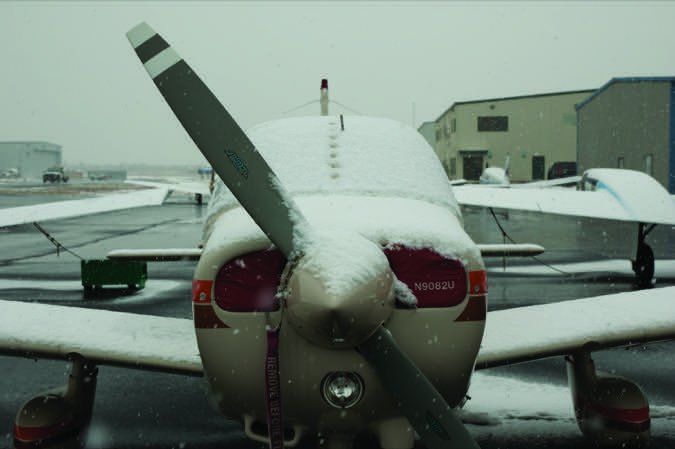
The aircraft broke up in flight then impacted the ground after an uncontrolled descent at about 0153 Central time. The commercial pilot and five passengers sustained fatal injuries; the airplane was destroyed. Dark night visual conditions prevailed. An IFR flight plan was in effect.The airplane was in cruise at 10,000 feet msl when its pilot queried ATC about nearby weather conditions. Radar data then showed the airplane climb slightly and turn left.
Read More »

Ground Handling 101

it’s ideal to have at least two sets of eyes monitoring the activity. A wing-walker or other observer can help the tug’s diver with depth perception and likely see potential obstacles invisible from the driver’s seat.üThis Cessna 177 Cardinal appears to be well-secured. The cabin cover fits well and its straps are snug. The tiedown ropes are knotted close to the rings and it appears a control lock is installed.”

Read More »

NTSB Reports

The airplane was destroyed when it impacted terrain at 1159 Eastern time. The solo private pilot was fatally injured. Visual conditions prevailed. The pilot had recently purchased the airplane and was relocating it to a private airstrip near his home. Witness observations were consistent with the airplane flying at low altitude and maneuvering erratically before it impacted. Each witness reported the engine was running prior to impact. The accident…

Read More »

Single-Pilot Challenges

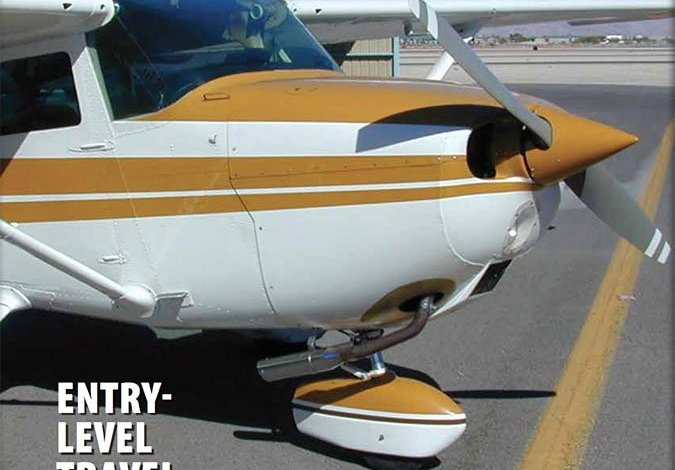
Most of us start our piloting careers in some sort of basic trainer. Some pilots flying purely for sport or recreation may stay with simple fixed-gear airplanes and stick to VFR conditions. Others learned to fly to travel somewhere for some purpose and on their own schedule. Nothing beats a personal airplane for that purpose, but trying to do it single-pilot in all-weather conditions can tax even the most capable general aviation pilots. As Dave Higdon explored in last months article, Entry-Level Travel, its possible to use simple fixed-gear airplanes for personal transportation, but a more-capable airplane makes it easier.

Read More »

Download The Full August 2017 Issue PDF

On the off chance youve forgotten, heres a helpful reminder: ATC privatization is still a thing. Its baked into a bill being considered in the U.S. House of Representatives to reauthorize the FAA. The legislation-or something like it that continues the agencys programs-needs to be enacted by September 30, 2017. Current U.S. Senate legislation to accomplish the same basic task doesnt have ATC privatization in it at this writing.

Read More »

NTSB Reports

At 1529 Pacific time, the airplane struck powerlines and traffic lights, then collided with the ground after a loss of engine power during takeoff. The pilot was not injured; the passenger received minor injuries. The airplane sustained substantial damage. Visual conditions prevailed.

Read More »

Window Of Opportunity

Engine-out training teaches us to maneuver the airplane to a position from which a more-or-less normal landing can be made on an open surface. Among the elements to this training are that theres a finite amount of time and energy, in the form of altitude, available to get the airplane to the landing area. Maneuver the airplane to a key position abeam the runway at a certain altitude and airspeed, and it will have enough energy to glide to the runway as the pilot manages airspeed and turns.

Read More »

Maintenance Safety

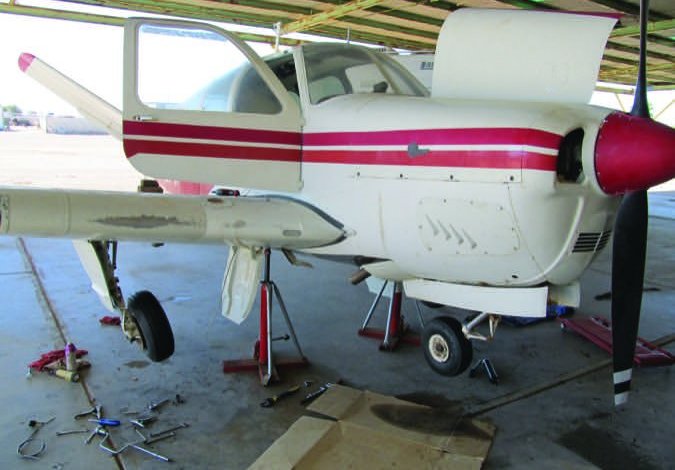
Many of us recognize one of the ingredients to making our flying less risky and safer is good maintenance. At the same time, sometimes we give little thought to ways to make aircraft maintenance itself less risky and safer. The fact is the typical private-pilot-or-better performing preventive maintenance under FAR 43, Annex A doesnt pay enough attention to safety while working on aircraft. Some professionals dont either.

Read More »

Regulatory Traps

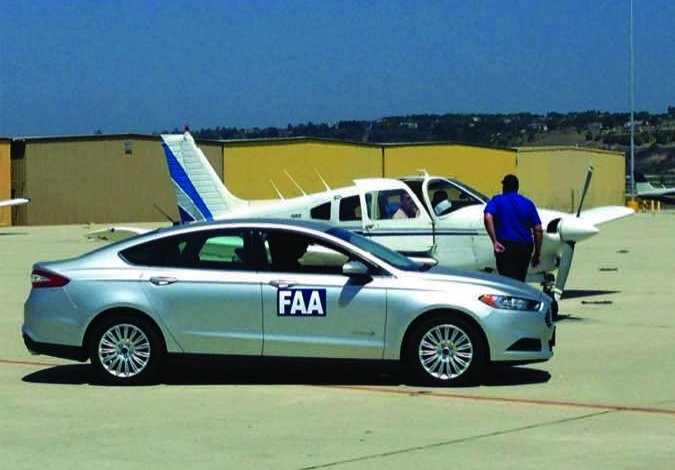
Pilots have been complaining about FAA regulations (and those of its predecessor agencies) since the first aviation rules were issued in the 1920s. A lot of that complaining stems from the aviation media constantly bombarding us with horror stories of over-regulation and how its killing general aviation. The reality is very different, at least for pilot certification under FAR Part 61 and flight operations under Part 91.

Read More »
Pilot in aircraft
Sign-up for newsletters & special offers!

Get the latest stories & special offers delivered directly to your inbox.

SUBSCRIBE