













Register

Window Of Opportunity

Engine-out training teaches us to maneuver the airplane to a position from which a more-or-less normal landing can be made on an open surface. Among the elements to this training are that theres a finite amount of time and energy, in the form of altitude, available to get the airplane to the landing area. Maneuver the airplane to a key position abeam the runway at a certain altitude and airspeed, and it will have enough energy to glide to the runway as the pilot manages airspeed and turns.

Gemini Sparkle

Key Takeaways:

  • Engine-out training emphasizes utilizing altitude as energy to reach a "key position" for a normal landing, requiring precise airspeed management and glide path adjustments.
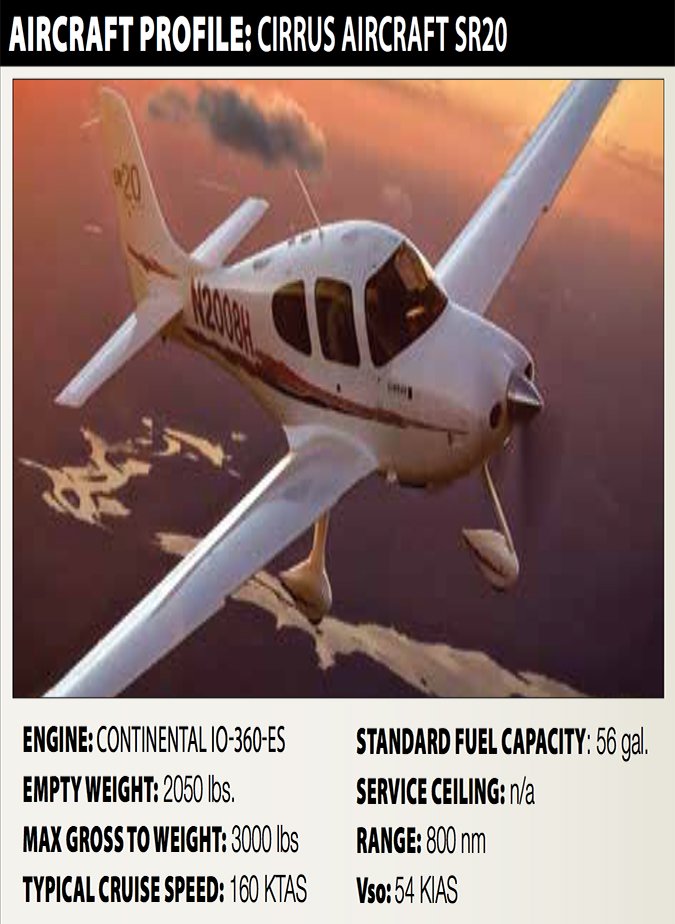
  • A Cirrus SR20 accident occurred due to engine oil starvation, where the flight instructor's attempt at an emergency landing was aborted due to being too high and fast, followed by a failed go-around attempt (no engine power) and a critically delayed deployment of the airframe parachute, leading to a stall and crash.
  • The NTSB cited engine power loss from oil starvation, the instructor's failure to maintain control during the aborted landing, and delayed parachute deployment as probable causes, highlighting missed opportunities and the importance of timely decision-making.
See a mistake? Contact us.

Engine-out training teaches us to maneuver the airplane to a position from which a more-or-less normal landing can be made on an open surface. Among the elements to this training are that there’s a finite amount of time and energy, in the form of altitude, available to get the airplane to the landing area. Maneuver the airplane to a key position abeam the runway at a certain altitude and airspeed, and it will have enough energy to glide to the “runway” as the pilot manages airspeed and turns.

While nailing that key position is important, it’s also important to understand how the airplane will behave in various gliding configurations, and what airspeed(s) should be considered normal when attempting an engine-out landing. What the pilot does after reaching the key point, in fact, depends on the airplane’s energy state. Too high and fast? Extend the downwind leg a bit and/or add drag. Maybe a 360 over the key point to lose altitude, or some S-turns. Being too low results in a different decision set, including minimizing drag, turning toward the landing area early and/or finding another one within range. The key position could be thought of as a window of opportunity, through which we fly the airplane, then adjust its glidepath to ensure it gets to the landing area under control and at a usable altitude and speed.


Ready to Sell Your Aircraft?

List your airplane on AircraftForSale.com and reach qualified buyers.

List Your Aircraft
AircraftForSale Logo | FLYING Logo
Pilot in aircraft
Sign-up for newsletters & special offers!

Get the latest stories & special offers delivered directly to your inbox.

SUBSCRIBE