Features

Remember Your Training

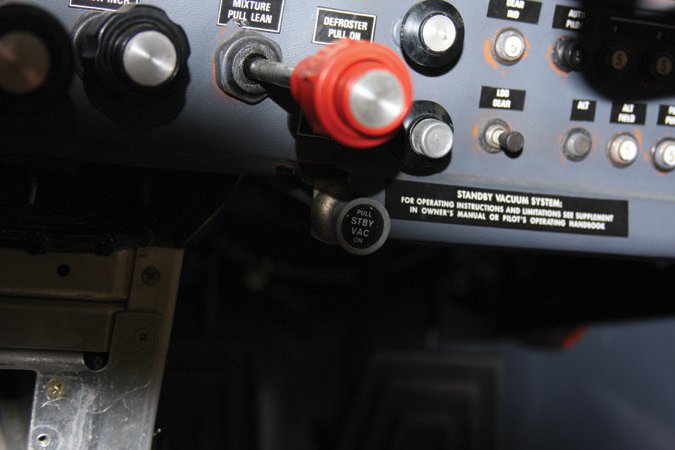
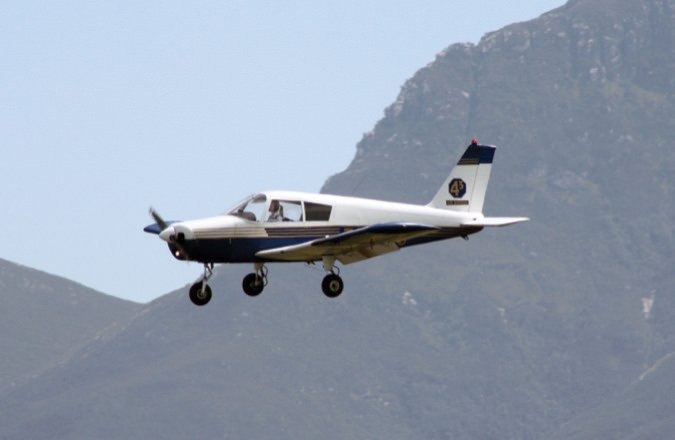
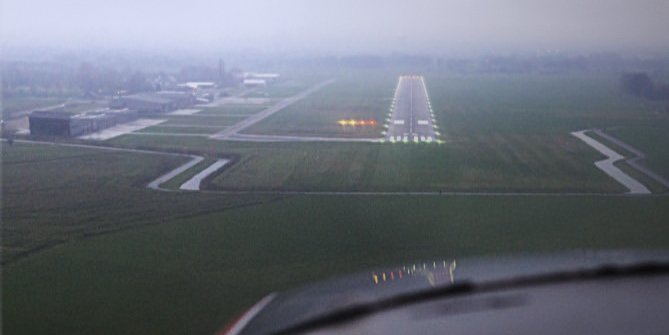
I was still a student pilot, with maybe 20 hours, most of it dual instruction, somewhere between my first solo and the checkride. My primary mount was a Cessna 150 but I had recently been checked out in the FBOs Cherokee 140. One day, rather than take the 150 for a local flight, I opted for the Piper.The airplane actually was a bit intimidating: A more powerful engine. Only one door. A low-mounted wing, like a jet fighter. A fuel system demanding that the pilot energize the auxiliary pump for takeoffs and landings (and change tanks every now and then), both of which were features the 150 didnt have. Rear seats! It was definitely a step up from the 150, at least in complexity, and I was itching to solo it.
Read More »

Nuts And Bolts

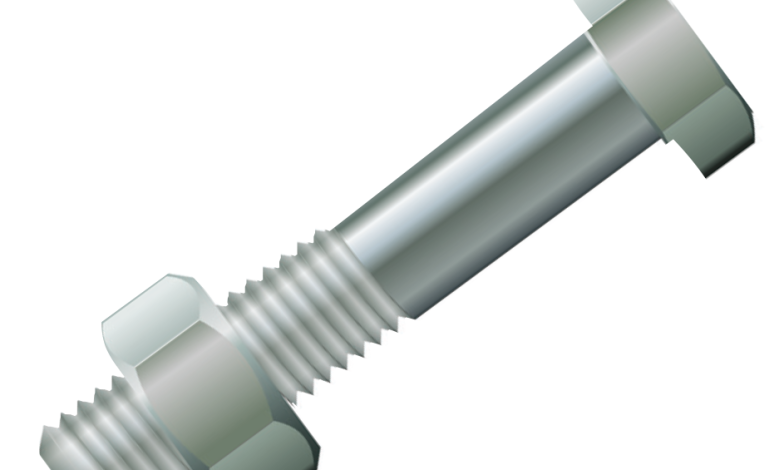
While changing an IO-520-BBs oil during an annual inspection, steel and red rubbery pieces were found in the filter. Metal determined to be coming from crankshaft gear driving alternator. Rubber was coming from alternator drive coupler. Four bolts holding crankshaft gear to crank were loose, allowing gear to slop around and cause wear of gears and coupler. Locking plates securing the four bolts were missing.

Read More »

Keep Your Speed Up

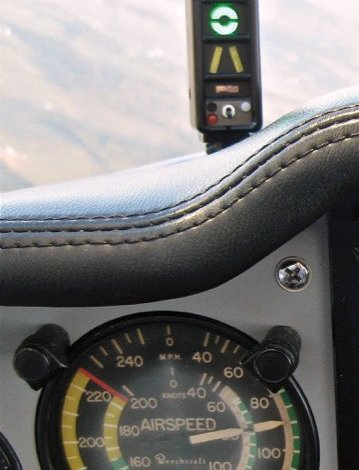
“November 12345 is cleared for the visual approach to Runway One Left, traffic is a Boeing 737 on a seven-mile final behind you, maintain best speed, contact the tower….Fly into a Class C or Class B primary airport and youll eventually be asked to keep your speed up because of inbound traffic behind you. Do it IFR, even at some Class D facilities, and youd best be very ready to mix with the heavy iron, which easily could be approaching 100 knots faster than your flivver can manage.

Read More »

Mind The Gaps

NY NEXRAD. There is a large wind farm nearby with turbines oriented from due north through southeast of the radar. The turbines are close enough (within 18 km) to cause spurious multipath scattering that extends well beyond the wind farm and contaminates data at multiple scanning elevation angles.ӟOur modern Nexrad (Next-Generation Weather Radar) system is still based on radar

Read More »

Normalizing ADS-B

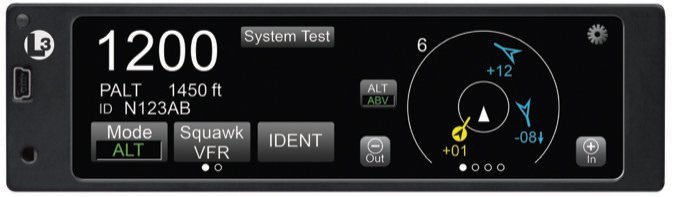
A favorite pastime is surfing the online used airplane ads. I check the market value of what I already own, Im interested in whats available if I wanted to trade up and Im curious about obvious trends in used airplanes. Its a non-scientific exercise, but one from which I can draw some conclusions.

Read More »

Why Do We Stall?

Fixed-wing pilots start learning stall recognition and avoidance during pre-solo training. The private and sport pilot checkrides require recovering from developed stalls with minimal loss of altitude, and stall and spin awareness are (or at least should be) refreshed during flight reviews for the duration of ones flying career. But unintended stalls still put dozens of airplanes into the ground every year. Is it possible that stall training as currently practiced isnt as effective as it might be?

Read More »

Risk Assessment Tools

which has since been discontinued. The screenshots above were created using that now-discontinued and unavailable app.üIt’s axiomatic that good risk management begins during the flight-planning phase

Read More »

Sidestepping Storms

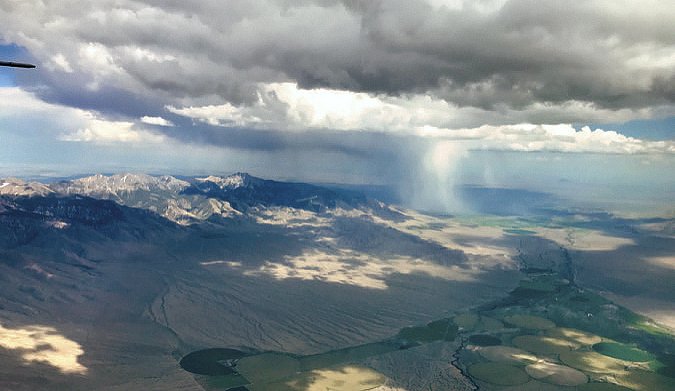
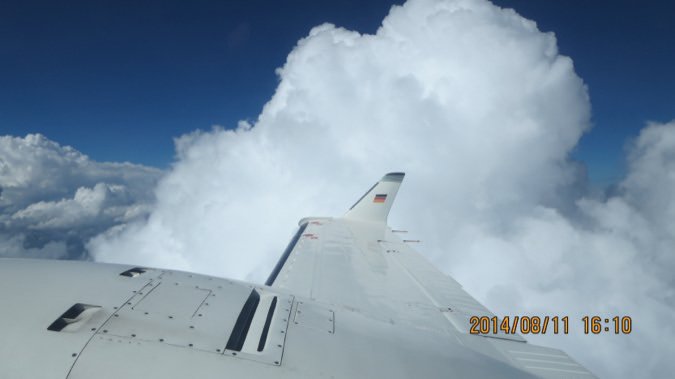
Its a staple of instrument flying: the need to alter your route to avoid weather hazards. Often the obstacle in your path is a building cumulus cloud-a thunderstorm. The good news is that ATC is almost always willing and able to let you maneuver around clouds with extensive vertical development. All you have to do is ask (although sometimes weve seen ATC offer a different route in advance). Before you make the request, however, there are several things you need to consider to safely and successfully maneuver around the threat.

Read More »
Pilot in aircraft
Sign-up for newsletters & special offers!

Get the latest stories & special offers delivered directly to your inbox.

SUBSCRIBE