













Register

Left Seat: The New Partial Panel

Garmin
Gemini Sparkle

Key Takeaways:

  • Traditional "partial panel" flying for light aircraft required pilots to rely on an electric turn coordinator after vacuum-powered attitude and heading gyros failed, a challenging method due to the lack of direct attitude information.
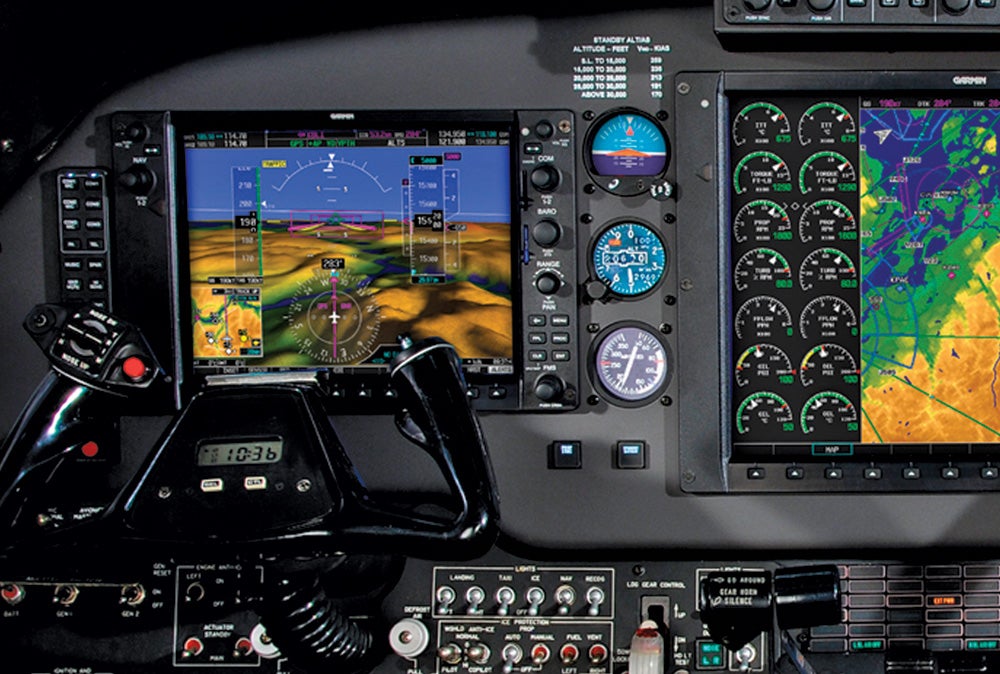
  • Modern flat-glass Primary Flight Displays (PFDs) have shifted backup requirements, now emphasizing an independent attitude gyro as the primary redundancy due to the critical importance of attitude control.
  • With glass cockpits, new partial panel scenarios can involve failures of the PFD display or its underlying AHRS/air data computers, but the overarching principle for safe instrument flying remains the paramount focus on maintaining aircraft attitude.
See a mistake? Contact us.

For decades pilots of light airplanes have practiced flying instruments using only what we called a “partial panel,” meaning that several crucial instruments were not operating. Being able to control the airplane in instrument meteorological conditions (IMC) without all of the primary instruments functioning is absolutely crucial because a loss of control in the clouds invariably leads to a fatal crash.

Partial-panel flying emphasized failure of the attitude and heading gyros. It’s not that the spinning metal gyros common to airplanes until flat-glass displays took over a few years ago are particularly unreliable, but that the vacuum pump that powered them in most piston singles was very prone to failure.


Ready to Sell Your Aircraft?

List your airplane on AircraftForSale.com and reach qualified buyers.

List Your Aircraft
AircraftForSale Logo | FLYING Logo
Pilot in aircraft
Sign-up for newsletters & special offers!

Get the latest stories & special offers delivered directly to your inbox.

SUBSCRIBE