Risk Management

Obtaining And Keeping Situational Awareness

In a recent issue, we highlighted an SA definition from the U.S. Coast Guard: “Situational awareness is the ability to identify, process, and comprehend the critical elements of information about what is happening to the team with regards to the mission. More simply, it’s knowing what is going on around you.” (emphasis in the original). […]
Read More »

Introduction To Single-Pilot Resource Management

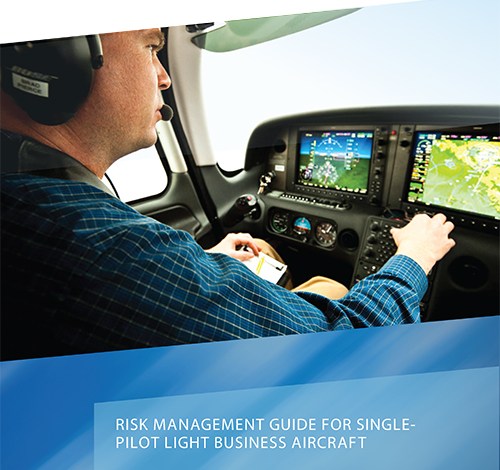
I worked with the NBAA Safety Committee Single-Pilot Work Group to assemble the association’s Risk Management Guide For Single-Pilot Light Business Aircraft, pictured at right. One of the new concepts in the Guide is one more risk-management acronym: TEMA, a variation on “team,” which stands for Transfer, Eliminate, Mitigate and Accept. Highlights include these elements: […]

Read More »

We’re Not Getting Any Younger

There have been numerous studies about aeromedical issues and aging pilots. Reviewing and commenting on them is beyond this article’s scope, the Aircraft Owners and Pilots Association (AOPA) Air Safety Institute (ASI) has published a good summary report on aging pilots that includes recommendations for dealing with aging issues. The report, the cover of which […]

Read More »

What Milestones Mean

Milestones are something we often observe to bring back good memories or special occasions, like birthdays and anniversaries. We may also use them as an occasion to reflect on our successes and failures, and to measure our life progress. Few other activities as aviation count ratings obtained, hours flown, accident-free operation and other parameters as […]

Read More »

Top Ten Tips For Managing Risk

Everyone talks about the weather but no one ever does anything about it. (Stop me if youve heard that before.) The same could be said about managing the risk of general aviation. We-both this magazine and the industry as a whole-spend a lot of time preaching to pilots about the mechanics of understanding weather forecasts, determining if the aircraft is capable, and making honest evaluations of our own performance in considering how and when to conduct a flight. But once we identify the need to mitigate a risk, we sometimes have little space left over to describe the tools we can use. Lets try to fix that.

Read More »

Notam Changes Coming

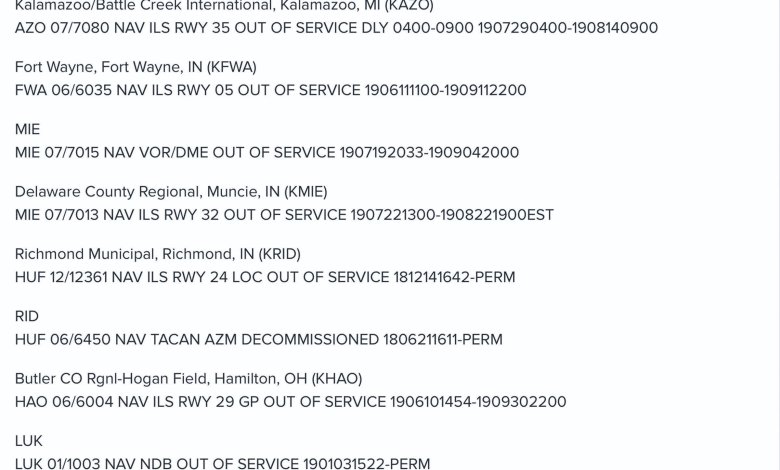
Notams have had a rocky decade, getting most of the blame in 2010 when the FAA accused U.S. Senator James Inhofe (R-Okla.) of landing on a closed runway in Texas. He maintained he researched applicable Notams as part of his preflight planning, but didnt find one for his destination. The FAA didnt agree and brought an enforcement action against the Senator. In turn, Inhofe developed and in 2012 saw enacted the Pilots Bill of Rights, which among other things mandated an overhaul of the Notam system. Subsequent legislation-2015s Pilots Bill of Rights 2, also by Inhofe-sought to further improve the Notam experience for pilots. Its the legislation that created the BasicMed option to traditional FAA medical certificates.

Read More »

Propeller Problems

During a routine training flight, the right engine was intentionally shut down to demonstrate inflight restarts. After a normal shutdown and securing procedure, the engine master switch was switched back to on per the checklist. Usually, this drives the propeller out of feather, and the restart procedure is continued. Instead, the propeller did not unfeather, even after attempting several troubleshooting procedures. The flight returned safely on the left engine.

Read More »

Winter Weather Tools

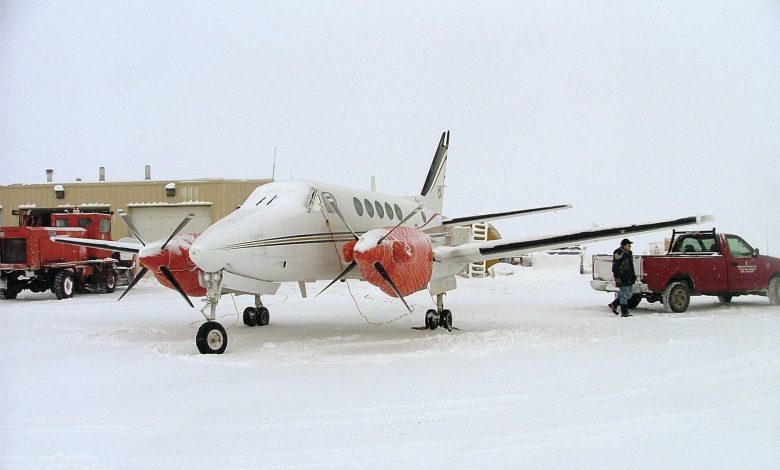
Like it or not, winter weather is upon us here in North America. After a few brief weeks of not as much thunderstorm activity, were headed squarely into a a couple of months featuring widespread near-freezing temperatures and precipitation. From storing our airplane, to preflighting it, picking a route and ensuring our destination doesnt have any slippery surprises, winter weather will have an impact on our operations, likely even if we stay in the pattern at a Southern California airport.

Read More »

Lean Of Peak EGT

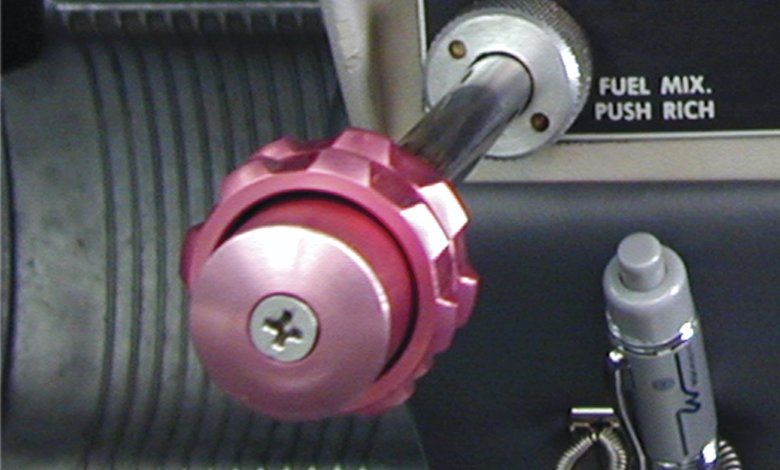
Its basic human nature that we often want to improve the efficiency of the things we do. Its also human nature to be skeptical when were offered something of value that carries little or no cost: Wheres the catch? What am I giving up to benefit from this largesse? These can be legitimate questions, and they deserve detailed answers, no matter whats being offered. When considering how pilots use the mixture control to manage aircraft piston engines, desires to improve efficiency and healthy skepticism can intersect.

Read More »

Over-Water Risks

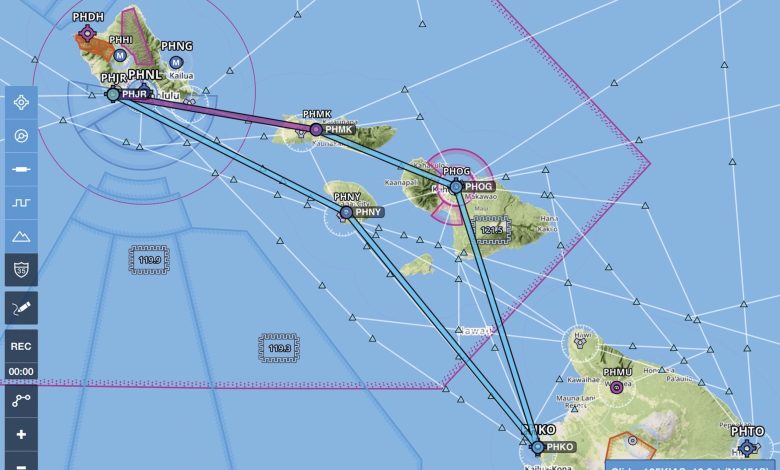
Its an aviation clich that your single engine goes into automatic rough when crossing any significant body of water. To be sure, any engine problem while beyond gliding distance from land is a critical problem, even if you have more than one. When flying a single, its everything. Another clich is that most of us dont bother to analyze the real risks of overwater flying. Any water crossing of any significance-and wed put the Great Lakes, Hawaii and Bahamas in that basket-should be carefully planned to ensure risks are mitigated to acceptable levels. The thing is, both clichs are true more often than not.

Read More »
Pilot in aircraft
Sign-up for newsletters & special offers!

Get the latest stories & special offers delivered directly to your inbox.

SUBSCRIBE