Risk Management

A Deeper Dive Into The Data

To obtain a better picture of LOC accidents and their root causes, I looked at fatal GA accidents in 2011, long enough ago that NTSB final reports are available. I used the NTSBs Web-based database (www.ntsb.gov). I confined my search to U. S.-based Part 91 fatal accidents and excluded amateur-built aircraft and Part 135 accidents. In the word search box, I used the term loss of control. The search turned up 47 accidents, each including a factual report and a probable cause finding. I reviewed both for all 47 accidents.
Read More »

Getting At The Problem

The GAJSC, like its airline counterpart the Commercial Aviation Safety Team (CAST), was established in the 1990s. According to its Web site, GAJSC works to improve general aviation safety through data-driven risk reduction efforts that focus on education, training, and enabling new equipment in general aviation aircraft. The CAST has been spectacularly successful in its efforts, as evidenced by an 80-percent reduction in airline fatal accident rates.

Read More »

Out Of Control?

The FAA, NTSB and the aviation community have spent a lot of time and effort analyzing how and why pilots lose control of their aircraft, historically the leading cause of fatal general aviation accidents. A recent report by the FAA/industry General Aviation Joint Steering Committee (GAJSC-see the sidebar on the opposite page), closely looked at the reasons why, highlighting dozens of recommended mitigations to reduce loss-of-control (LOC) accidents. Many of its recommendations have great value.

Read More »

Backcountry Flying Challenges

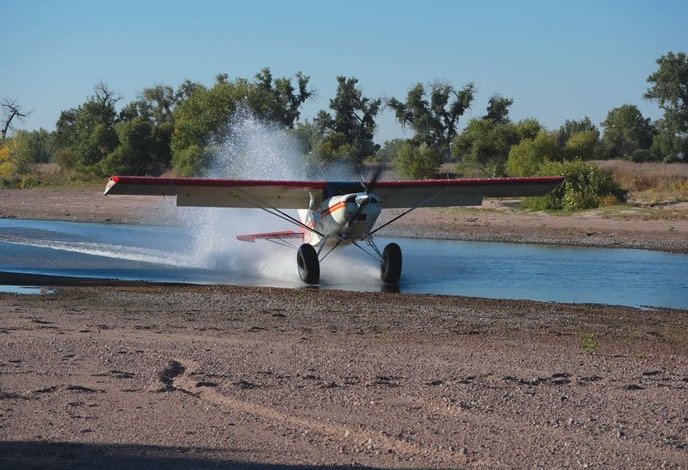
My personal advanced goals mostly center around backcountry flying. I have had numerous initial and advanced courses, and Ive been fortunate to be able to visit backcountry airstrips in California, Idaho, Montana, Oregon and Utah. The better I get at backcountry flying, the more places Im able to visit safely and the more places I want to go.

Read More »

Dont Ad Lib

The FAA warns us of hazardous attitudes, but it can be difficult to modulate our enthusiasm when the aviation videos and performances we aspire to replicate make advanced flying look easy. We respect aviators, like Bob Hoover, not for their timidity but for their boldness and demonstrated mastery of the art of flying. But how do they do it? How do the pilots we respect balance thrill-seeking with the payoff of doing what they do safely?

Read More »

Pilot-Related

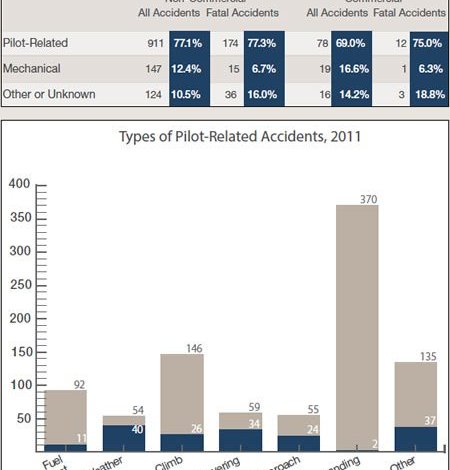
While it would be foolhardy to attempt a challenging back-country landing if your only recent experience involves shooting ILSes, the same cannot be said for low-level maneuvering: Its always a bad idea. In fact, low-level maneuvering, according to AOPA Air Safety Institutes 23rd Joseph T. Nall Report, a regular look-see at general aviation accidents, is one of the two leading causes of pilot-related fatalities.

Read More »

Thrill-Seeking

I admit I am a bit of an adventure-seeker. It may be just one big rationalization, but I want to defend the concept of aviation adventure-seeking, at least to a degree. For example, after watching a particularly challenging backcountry landing video found online, I mused over the many comments it drew, typically along the lines of Not for me, No way, and Crazy. My reaction-and I was not alone-was, I want to do that. But I also want to balance that activity with a healthy does of risk management and accident prevention, i.e., the mission of this magazine.

Read More »

How do you stack up?

Are your own proficiency levels where you want them to be? Take a close look at your own unique situation and decide if changes are needed in your own ongoing proficiency program.

Read More »

Whats It Doing Now?

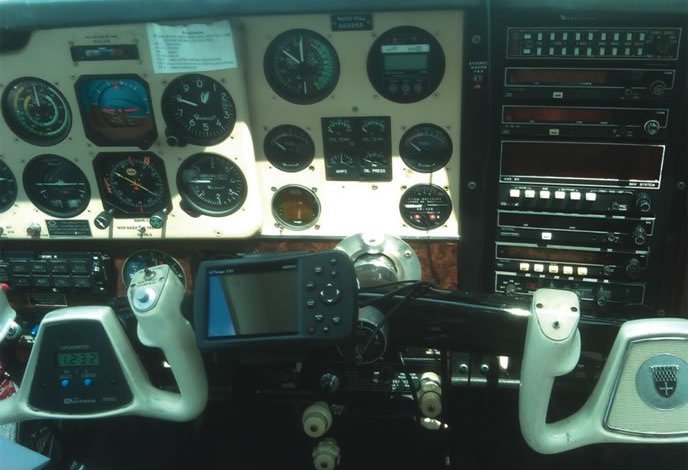
In this photo of my former Bonanzas panel, top, you can see it includes analog instruments along with VOR- and ADF-based nav systems, and a lone portable GPS on the yoke. Most of it operated intuitively and without the need to navigate various sub-menus. Even the airplanes sophisticated-for-its-day Century IV autopilot with yaw damper is relatively simple to operate.

Read More »

Planning for Currency and Proficiency

When I began flying again, in a rental aircraft, I resolved to avoid just boring holes in the air and instead try to maintain my skills through deliberate exposure to the entire operating environment. That meant I would try to maintain my instrument currency and proficiency and stay familiar with the IFR system. I came up with what I call an events-based program.

Read More »
Pilot in aircraft
Sign-up for newsletters & special offers!

Get the latest stories & special offers delivered directly to your inbox.

SUBSCRIBE