










Rote Understanding and Flight Risk Management
according to the NTSB, and was forced to ditch the airplane in Seattle’s Elliot Bay, out of gas.

according to the NTSB, and was forced to ditch the airplane in Seattle’s Elliot Bay, out of gas.
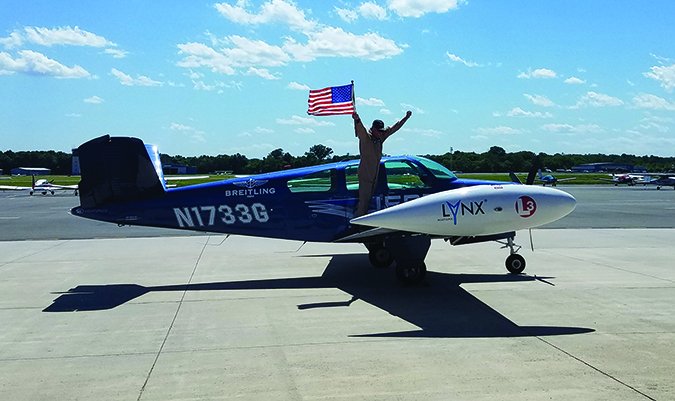
Somewhere back in the typical GA pilots mind is the idea of flying a personal airplane over long distances. Maybe across a continent, maybe an ocean. Or around the world. Part of the idea is visiting distant destinations and seeing foreign lands from the perspective only a personal airplane can offer. Another part of it is the challenge, which can be substantial; part of it is bragging rights; part of it is just because you can. However common the idea of flying around the world may be, the typical GA pilot rarely follows through. Whether due to time constraints, finances, lack of a suitable airplane or other responsibilities, the obstacles are just too daunting for the typical GA pilot.
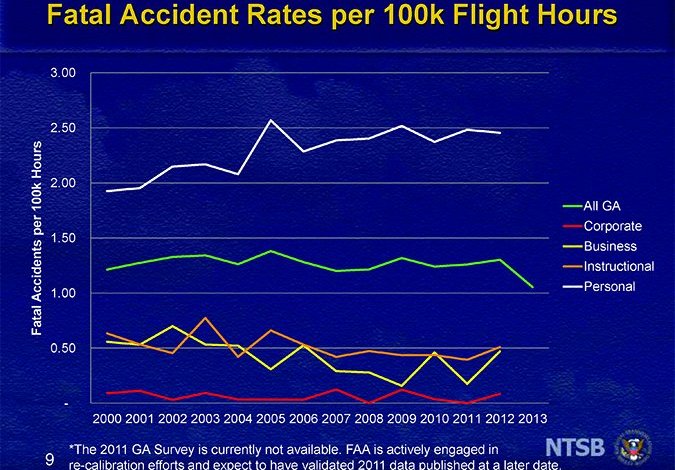
Scheduled passenger airlines in the U.S. have achieved an incredible level of safety. Domestic passenger operations under FAR Part 121 have achieved an unheard-of record: a near-zero fatality rate since 2010. Most of us presume general aviation operations under Part 91 never can approach this level of safety without draconian over-regulation. And most of us may be correct. It was never about the regulations, of course.
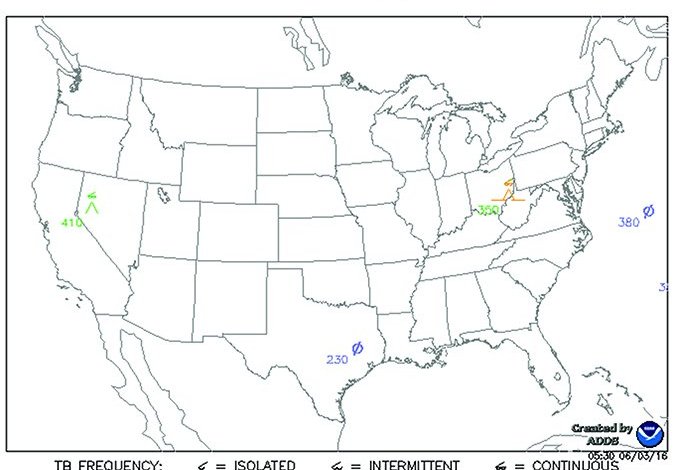
New ways to improve pilot reports-Pireps, including their collection, dissemination and use-is the topic of a two-day forum the NTSB announced in early June. Entitled PIREPs: Pay it Forward…Because Weather for One is Weather for None, the forum is expected to draw other federal agencies, air carrier organizations, aviation associations and academics. Panel-discussion topics are set to include the use and significance of Pirep information to weather services, air traffic controllers, pilots and researchers; the lifecycle of a Pirep; Pirep training, education and operations; and future improvements and emerging technologies for Pireps, the NTSB said.
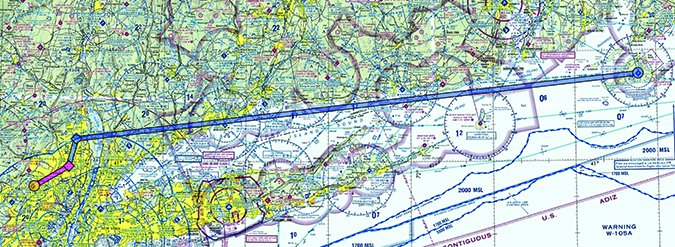
After his airplane was reported overdue and missing, it took three days for searchers to locate the underwater crash site using side-scan sonar, and cable news breathlessly reported every development. This media event practically begged viewers to ask themselves, If someone with JFK, Jr.s resources cant fly a well-equipped small airplane, what chances do I have, or the person I met last night at that cocktail party? So, what to tell your in-laws or dinner-party guests, thats both accurate and reassuring?

So I got into one of those internet discussions with other pilots about airplane performance. The focus was on a 2100-foot-long grass strip near sea level and how well a Bonanza would handle it. We didnt disagree on the typical Bonanzas ability to get in or out, but I think some people might be a bit more optimistic about such things than I am.
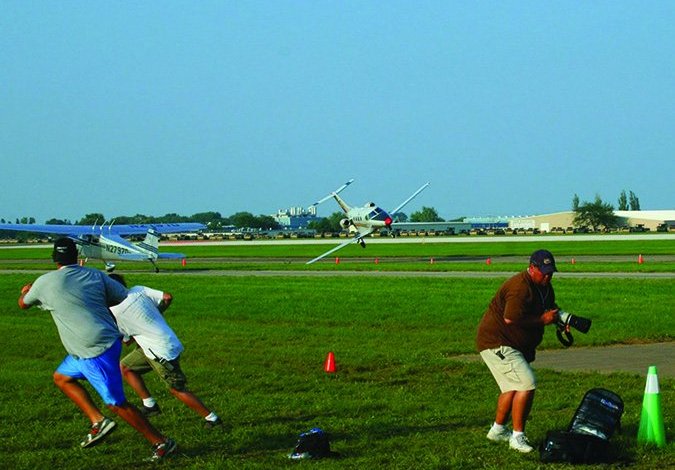
As the summer fly-in season kicked off in the U.S., the NTSB published the latest in its ongoing series of Safety Alerts, with discussions and tips for pilots arriving at fly-in events. Focused primarily on the Sun n Fun and the Experimental Aircraft Associations (EAAs) AirVenture events but applicable to many others, the Boards new advisory (SA-053) emphasizes the unique challenges arrivals at heavily attended fly-ins can present to pilots of all experience levels but especially those who arent prepared.
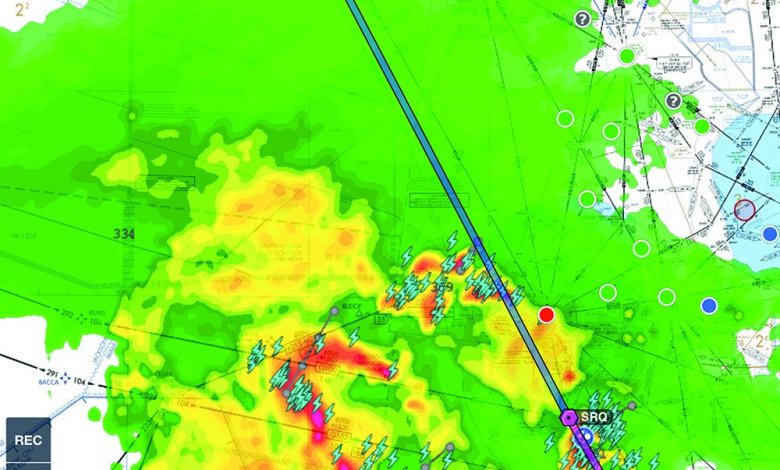
General aviation pilots all too often routinely undertake flights in the face of obvious or hidden hazards. In too many cases, such pilots come to grief because they ignored obvious risks or failed to identify, assess and mitigate subtle risks. The key to addressing these hazards is to do a proper risk assessment, mitigate these risks and then decide whether youre ready to accept the remaining risk.
At about 1800 Eastern time, the airplane was substantially damaged when it impacted terrain during final approach. The solo pilot sustained fatal injuries. Visual conditions prevailed. Witnesses indicated the airplane lifted off within the first 1000 feet of the runway then began to bank sharply and reached a 90-degree bank as it climbed to treetop height. While cruising at FL190, the engines manifold pressure dropped from 29 to 15 in. Hg. The pilot arrived over the divert airport and began a circling descent.

Post-accident investigation indicated the warm front started moving faster and the weather deteriorated sooner than forecast. The airplanes radar target went directly toward the destination for about 110 miles, and descended to only about 800 feet agl. The track then turned into the afternoon sun and haze toward an airport only seven miles away. About two minutes later, the airplane turned left and descended below radar coverage.

Get the latest stories & special offers delivered directly to your inbox.
SUBSCRIBE