Risk Management

5 Ways to Crash an Airplane

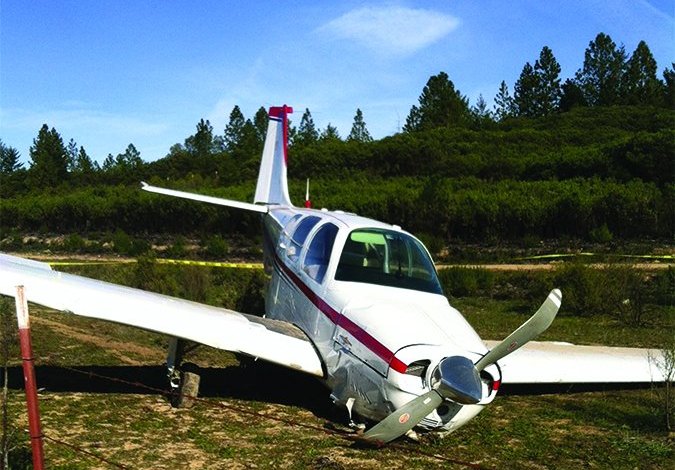
Lately, the general aviation community has focused, quite correctly, on the very preventable loss-of-control in-flight type of accident (LOC-I). Too many people somehow manage to bend an airplane-or worse-each year basically because they forget to fly it. Its a broad category, and includes a mix of accident causes, from low-level maneuvering, to VFR-into-IMC and to multi-engine training operations. As complex and dynamic as the LOC-I category is, it most assuredly doesnt include the full range of things pilots do to make the accident reports. For example, a look at the other category of pilot-related accidents, as broken down by the AOPA Air Safety Institute (AOPA ASI) in its 25th Nall Report, highlights some other areas where pilots regularly make contributions to the aviation-accident records. Here are five of them, not related to LOC-I.

Read More »

NTSB Takes On Midair Collisions

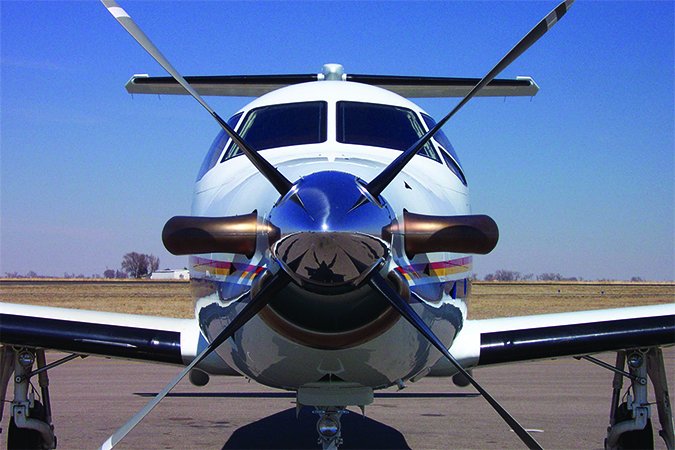
In the aftermath of its investigations into recent midair collisions the National Transportation Safety Board (NTSB) in November released guidance for pilots stressing the inherent limitations of the long-standing see-and-avoid practice and urging adoption of technological solutions. The NTSBs guidance is found in Safety Alert SA-058, Prevent Midair Collisions: Dont Depend on Vision Alone. The Safety Alert is available in the PDF file format free for the download at tinyurl.com/SAF058.

Read More »

Light Business Aircraft

since both the FAA and the NTSB define this category precisely in terms of the crew consisting of a single non-professional pilot who operates the aircraft as an incidental duty to the pilot’s business. Source: FAAüThis chart is from a presentation by NTSB Member Earl F. Weener delivered at the NBAA’s Single Pilot Safety Standdown in November 2015. It highlights how the business aviation segment fatal accident rate

Read More »

Getting Out Of Here

I get kind of worked up when Im unsure. Last year, I hauled a load out of a backcountry strip (Sulphur Creek, Idaho, ID74) that included a 320-pound elk, my brother and me, plus all our gear for eight days in my Cessna 180. Field elevation was 5835 feet, and I remember that the takeoff used up a lot of the 3300-foot runway. I went through the numbers over and over before I left and when we got home, I confirmed the loading cargo put us right at gross weight on takeoff.

Read More »

Solid Red Means Hold

The latest in the FAAs efforts to prevent runway incursions goes into effect at the San Francisco (Calif.) International Airport (SFO) November 30. It takes the form of the Runway Status Lights (RWSL) program, an automated series of red lights embedded in taxiways that enter runways and in the departure end of runways themselves. The lights warn pilots of high-speed aircraft or vehicles on runways, according to the agency.

Read More »

Manufacturer Mandates

Readers likely are familiar with the role product liability plays in general aviations history. It shares responsibility for the industrys collapse in the 1980s and it wasnt until federal legislation was enacted-the General Aviation Revitalization Act of 1994, which limited manufacturer liability-that some piston-engine airplane production was restarted. Separately, patterns were identified involving accidents of specific aircraft types, and addressing them became another way to minimize the risk of successful liability claims.

Read More »

Where The Drones Are

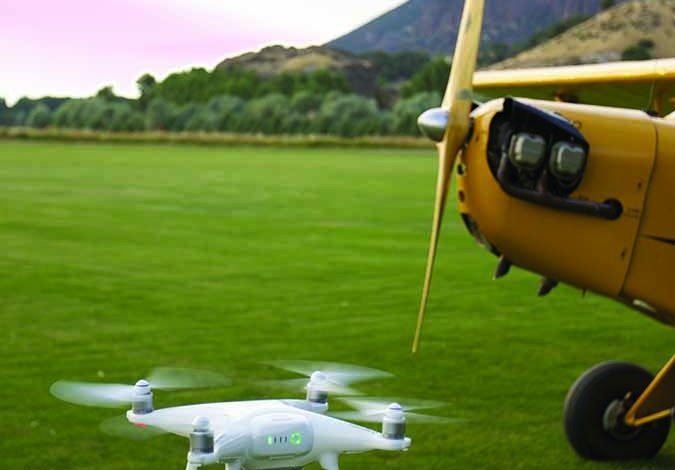
Understanding how drones-in FAA parlance, an unmanned aircraft system (UAS) is sometimes called a drone-are used is the first step toward avoiding an unexpected and unwanted encounter. In its recently released Part 107 regulations on commercial use of UAS, the FAA focused on small UAS, craft weighing under 55 pounds. Given their numbers and popularity, this is the class of systems with which we should be most concerned.

Read More »

iPads To The Pilot’s Rescue!

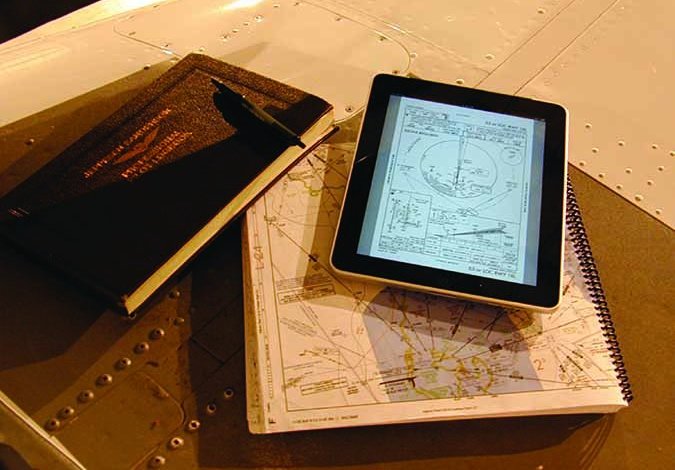
Back in August, AOPAs Air Safety Institute released the latest of its Nall Reports, an in-depth look at a years GA accidents. The newest Nall Report, the 25th, looked at 2013s accidents and found the rate of fatal GA accidents had dropped below one in 100,000 for the first time. Ever. Thats a big deal, especially if it turns out the next few years numbers are similar.

Read More »

50 Years a Pilot

As I write this, Im looking at my Wright Brothers Master Pilot Award sitting near the window sill. Its the most prestigious award the FAA issues to pilots, according to the agency, and eligibility for it requires a minimum of 50 years to elapse since a pilots first solo flight. I originally dismissed this award as an overblown creation of the FAA or, worse, an old geezers award for longevity. I finally decided it would be a great bookend for a lifetime of flying, or a beginning of the next chapter. For those of you out there with 50 continuous years of flying without accident, incident or violation-or if you know someone who meets the minimum requirements-you can find details of the award and how to apply on the FAA website.

Read More »

Beyond Formal Risk Management

Back in the day, the formal risk management techniques applying to contemporary general aviation hadnt been invented yet, so most pilots were on their own. How did they survive? Here are the main factors the author attributes to his success.

Read More »
Pilot in aircraft
Sign-up for newsletters & special offers!

Get the latest stories & special offers delivered directly to your inbox.

SUBSCRIBE