Aviation Safety

The Pilot

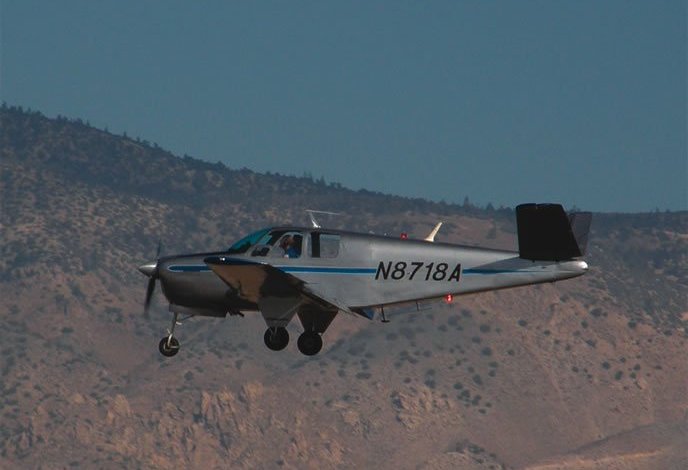
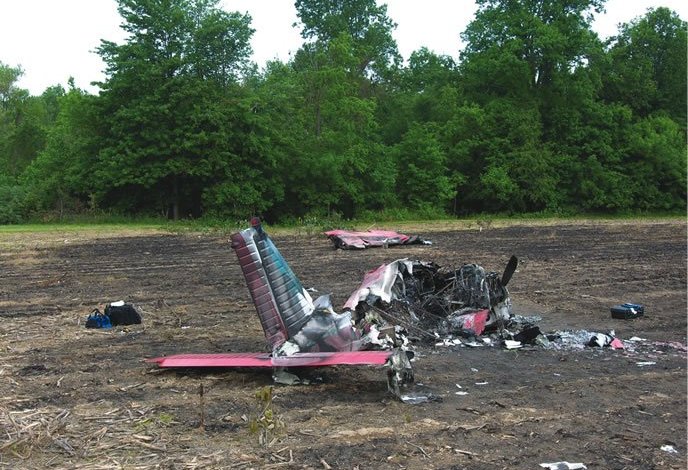
Despite pilot Roger Peterson being a young married man who built his life around flying, he had failed his instrument rating checkride nine months prior to the accident. He held a waiver to his second-class medical certificate for a hearing deficiency, although this almost certainly was not a factor in the accident. Most significantly, he had taken instrument training in an aircraft with a different type of attitude indicator than the one in the Bonanza. It provided a direct movement of the airplane on the face of the instrument, similar to todays modern steam-gauge attitude indicators, but opposite that of the then more-prevalent war-surplus attitude indicators in which the airplane stayed constant in the instrument while the artificial horizon moved instead.
Read More »

In Contrast to 1959

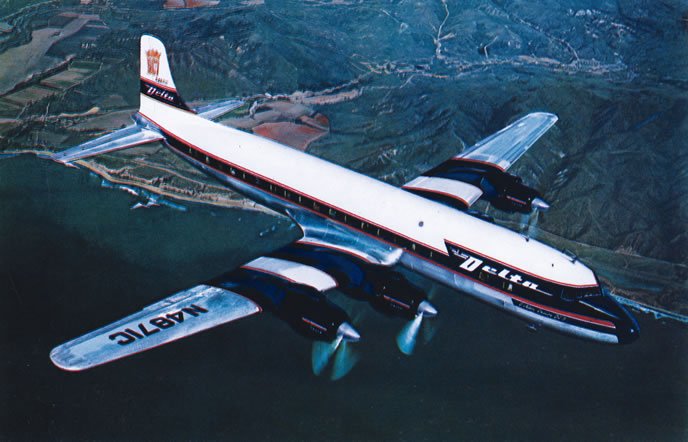
Its enlightening to contrast 1959 with today. The civilian jet era had barely begun, and the skies were still ruled by DC-7s, Connies and Stratocruisers, with Convairs and DC-3s for the short hops. Airline fares were tightly regulated and four-engine airliners stopped at a surprising number of out-of-the-way places. Yet a large majority of Americans had never flown in any kind of airplane.

Read More »

Crosswinds On Rails

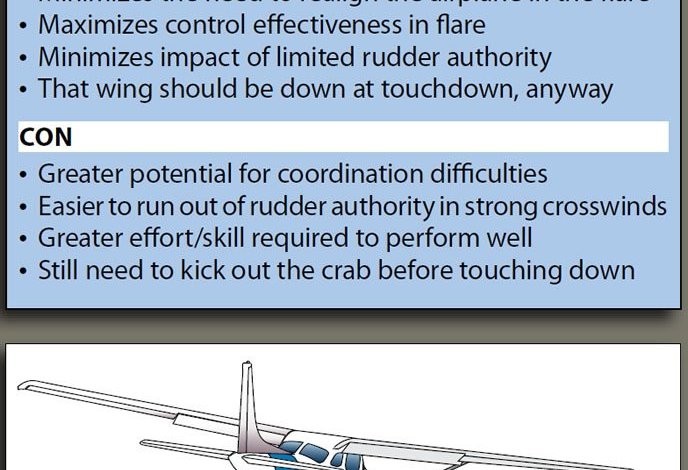
Dont stop to think, just answer the question: When flying a crosswind approach to landing, which compensation technique do you use, a sideslip all the way to the runway, touching down first on the upwind main wheel? Or do you crab into the crosswind, kicking it out at the last second to align the airplane with the runway as it touches down?

Read More »

The Day The Music Died

Its tragic that so many public figures have perished in general aviation accidents. The death of a celebrity in a general aviation aircraft almost always leaves a strong negative impact on the industrys image, probably creating additional downstream challenges ranging from local airport restrictions to reduced student pilot starts. Traditional media rarely is helpful and the ignorance of mainstream journalism causes additional harm.

Read More »

Flight Paths

The FAAs Advisory Circular (AC) 90-23G, Aircraft Wake Turbulence, is the latest edition of the agencys guidance on this topic, having been revised in February 2014. The new AC, at paragraph 9, VORTEX ENCOUNTER GUIDANCE, states in part:

Read More »

A Tale Of Two Clearances

As I scanned the local conditions for my first IFR flight after relocating the airplane to Non-Towered Municipal, I decided I needed to get my clearance on the ground before taking off. Using my cellphone, I called Flight Service, obtained my clearance and departed just fine. Only then I discovered the weather was far better than my estimation; good enough that I easily could have departed and picked up my clearance airborne.

Read More »

Rolling Over

Theres an old, tasteless joke from the mid-1990s, back when some Boeing 737s were having a problem with uncommanded rudder movement eventually traced to the hydraulic systems power control unit. The rudder hardovers were probable causes in two fatal U.S. accidents, and were suspected in other incidents worldwide.

Read More »

Alternators

The alternator cooling fan came apart after takeoff, and parts punched a hole in the induction air box downstream of the air filter. Also, the alternator belt became loose in the engine compartment. Loss of power from engine FOD damage resulted in an uneventful landing back to the airport. The cooling fan had fractured at one of the fins spot welds.

Read More »

Missing Traffic

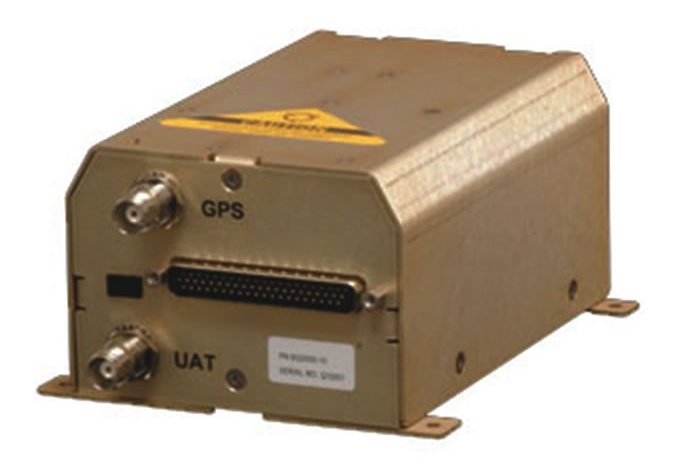
There might be an inaccuracy in your excellent article, “Time to Bite the Bullet?” in the June 2015 issue.We all agree that ADS-B In (TIS-B traffic data and FIS-B weather information) is provided by ADS-B ground stations and received by 978 MHz UAT receivers, through certified/installed and/or portable units. The TIS-B traffic data is rebroadcast from the ADS-B ground stations and shows the same traffic a radar controller sees (except for primary targets), so there is no difference whether the aircraft position is transmitted to the ground through a 1090 MHz extended squitter transponder or through UAT-Out 978 MHz transceiver.

Read More »
Pilot in aircraft
Sign-up for newsletters & special offers!

Get the latest stories & special offers delivered directly to your inbox.

SUBSCRIBE