Aviation Safety

Logbooks Arent The Whole Story

Not all airframe modifications airframes are officially approved or noted in the logbooks. Shocking as it may sound, many aircraft owners are tinkerers, shade-tree mechanics or aircraft builders. Some have even been known to make unapproved changes and mods without disclosing them to their own mechanics or the FAA.
Read More »

Common Holding Errors

Its common for a student with whom Im flying for the first time to ask if he/she needs to fly a full turn around the holding pattern, or if its okay to continue inbound on the approach once intercepting the inbound course. Controllers expect you to continue inbound from the hold entry without flying a complete circuit of the holding pattern. Its not a hard-and-fast rule, but courtesy demands telling controllers you will not continue inbound and will instead circle in the hold if for any reason youre not ready to continue inbound immediately from the hold entry.

Read More »

Illegal Entry?

Of course, some standard operating procedures are always good. The practical test-mandated/real-world recommended method of holding pattern entry is to determine on what heading you will cross the holding fix, then use the 70-degree/180-degree diagram at right to decide whether to make a direct, parallel or teardrop entry into the hold.

Read More »

Holding Checklist

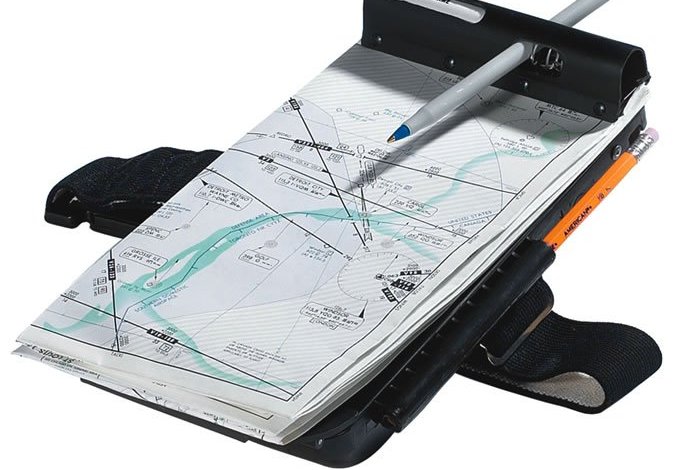
Some of us find it helpful to write down this stuff, and not depend on the magic in our hand or on the panel to figure it out, even if its published. We use to be able to write it on the chart, but nothing beats a pen/pencil and a paper pad.

Read More »

Staying Flexible

Anytime we use a personal airplane as regular transportation, we risk running afoul of the weather, mechanical failures and other schedules. It can be done, and done safely, but doing so requires flexibility. In the end, youll likely be as punctual on the airlines or by driving, but it wont be as much fun unless you fly yourself.

Read More »

Zero-Zero Departures

Last year I read in a major aviation publication that lifting off in zero-zero conditions was one of the riskiest and dumbest decisions in all of flying. In late October 2014, I attended the annual convention of a major flying club, where I heard basically that same conversation and conclusion. If I had any hair on my shiny bald head, I would pull it out in frustration.

Read More »

Icing’s Effects

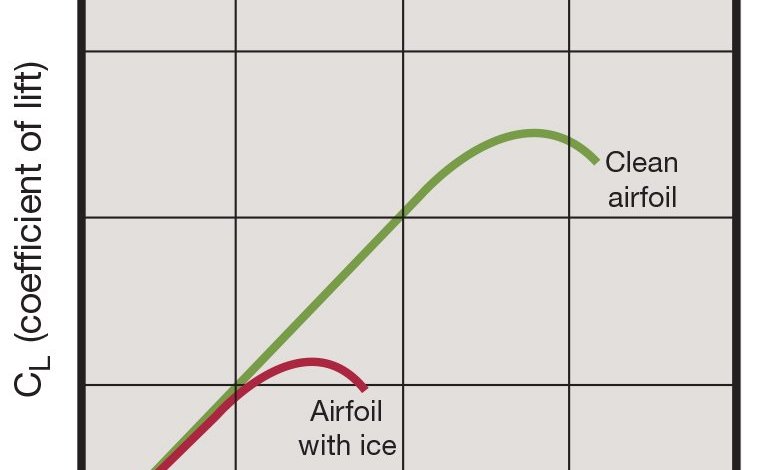
According to the FAAs Instrument Flying Handbook, FAA-H-8083-15B, The pilot of an aircraft, which is certificated for flight in icing conditions can safely operate in the conditions for which the aircraft was evaluated during the certification process but should never become complacent about icing. Even short encounters with small amounts of rough icing can be very hazardous. The pilot should be familiar with all information in the Aircraft Flight Manual (AFM) or Pilots Operating Handbook (POH) concerning flight in icing conditions and follow it carefully.

Read More »

Major Repair And Alteration

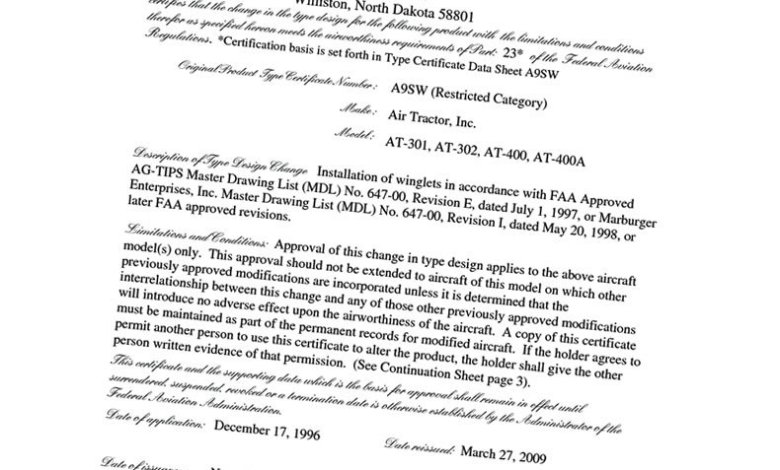
For certified aircraft, the FAA permits major modifications via many regulatory pathways, but the two most common in the GA fleet are via a Form 337 or a supplemental type certificate (STC). A Form 337, Major Repair and Alteration (Airframe, Powerplant, Propeller, or Appliance) is the documentation required for one-off repairs or modifications to an individual airframe, engine or prop. Supplemental Type Certificate (STC) modifications are more of a blanket approval designed to cover an entire family of aircraft types.

Read More »
Pilot in aircraft
Sign-up for newsletters & special offers!

Get the latest stories & special offers delivered directly to your inbox.

SUBSCRIBE