Features

Briefing The Approach

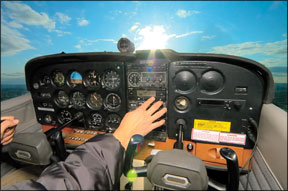
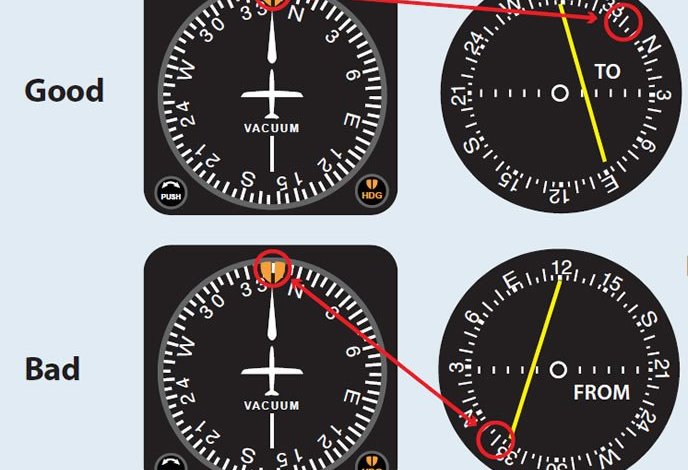
If your initial instrument training was anything like mine, you started flying approaches on the first or second lesson. Usually the CFII would set up the radios, say something about minimums and let me chase the needles. As I progressed toward the rating, I did more and more of the set-up myself, quickly becoming (what I thought was) expert at reading approach charts. Im not faulting my double-I-this was just the way it was done in that part of the country at that time.
Read More »

Unusual Recoveries

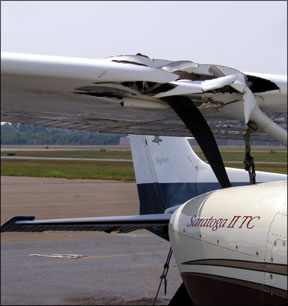
The mere mention of “unusual attitudes” not only raises eyebrows but-as pilots conjure up out-of-control airplanes plummeting from the sky-can measurably elevate stress levels. The phrase is often a catchall, including encounters with inadvertent stalls and spins, wake turbulence, and uncommanded spirals. Yet a stall by itself, though often a precursor to an unusual attitude event, is not an unusual attitude per se.

Read More »

Non-Pilot Copilots

Just let me know if theres anything I can do” is a common request of the non-rated passengers Ive carried aloft from time to time. Usually, we dont even get to that point; the idea of going up in a personal aircraft is sufficiently foreign to most non-pilots they cant even conceive of helping minimize the workload. They also dont understand theyre contributing to it. Passengers unfamiliar with the concept often are a necessary evil of flying personal aircraft. Having been both the PIC and the pax over the years, Ive seen the phenomenon from both sides. Most of the time, some patience, understanding and smooth flying on a good-weather day is all the pilot needs to assure a pleasant experience for the pax and a safe flight.

Read More »

IFR Not Recommended

There were two basic rules I learned early on in my aviation career. One of them was to avoid instrument conditions because I didnt have the training, even if the airplane was adequately equipped. The other was to never fly an airplane with known deficiencies that could affect the flights outcome. This included balky airspeed indicators, as one example, or inoperative radios as another. There have been many rules learned-and sometimes bent-since then, but these stand out. Ive tried mightily to comply with them. Call it self-preservation.

Read More »

Procedure Vs. Technique

To succeed in aviation, we develop the athletes ability to live in the present moment, at times exercising every last ounce of skill, discipline and judgment-wisdom, if you will. Well, were at least cognizant of whats around us, even while were reaching back in our minds for the knowledge we have acquired at an earlier time.Although there is very little athletics in the serenity of cruise flight, throw in one or more of any number of challenges and, sooner or later, we all meet The Wall. It might not be quite as exhausting as when your leg muscles go anaerobic during too long of a run, but its just as real a limitation.

Read More »

AWOS/ASOS Lies

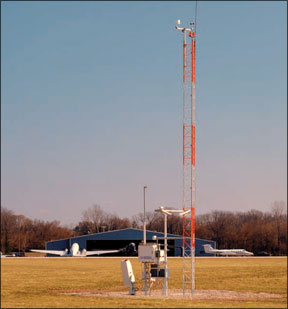
When you get right down to it-the ground, that is-precise knowledge of local weather is the single critical factor determining whether your three-hour instrument flight is going to have a happy ending. Youll either get an easy peek at your flight-storys last page or itll become a cliffhanger at decision height, followed by a missed approach. Naturally, weather has a significant effect on the critical few minutes of an instrument approach (even a VFR approach), as well as our decision-making process.

Read More »

Autopilots And IFR

Autopilots are a fabulous workload management tool. In a busy, single-pilot cockpit they quite literally can be a lifesaver. Weve come to accept their precision and dependability. Theres a growing viewpoint that a functioning autopilot is an essential requirement for all instrument flight-many pilots I know say they would not contemplate IFR without an autopilot.

Read More »

Fit For Flight?

Establishing someones basic medical fitness for flight has long been a prerequisite for pilot certification. Before even going far beyond initial lessons, primary students should have obtained at least a Class III FAA medical certificate, which is a requirement before their first solo.

Read More »

The E Word

Declaring an emergency apparently isnt what it used to be. Recently, an airline crews uncertainty about their available fuel led them to declare, but thats when events got murky (see sidebar on page 6). Since then, a lot of people have gotten into the act of discussing this event, including the controllers union. All of which has led many of us to think about the process and ramifications of declaring an emergency.

Read More »

Ramp Rage

If youre reading this article, chances are you are not the kind of pilot who would intentionally cut off someone off on final. You probably wouldnt attempt to verbally bully a nervous solo student into rushing her pre-takeoff checklist because your IFR clearance void time is ticking away. But what can you do if you find yourself wingtip to wingtip with such a self-absorbed and potentially dangerous individual?

Read More »
Pilot in aircraft
Sign-up for newsletters & special offers!

Get the latest stories & special offers delivered directly to your inbox.

SUBSCRIBE