











When you get right down to it-the ground, that is-precise knowledge of local weather is the single critical factor determining whether your three-hour instrument flight is going to have a happy ending. Youll either get an easy peek at your flight-storys last page or itll become a cliffhanger at decision height, followed by a missed approach. Naturally, weather has a significant effect on the critical few minutes of an instrument approach (even a VFR approach), as well as our decision-making process. 288
AWOS/ASOS Lies
When you get right down to it-the ground, that is-precise knowledge of local weather is the single critical factor determining whether your three-hour instrument flight is going to have a happy ending. Youll either get an easy peek at your flight-storys last page or itll become a cliffhanger at decision height, followed by a missed approach. Naturally, weather has a significant effect on the critical few minutes of an instrument approach (even a VFR approach), as well as our decision-making process.

Key Takeaways:
- Automated weather observation systems (AWOS/ASOS) have significant limitations compared to human observers, particularly regarding accurate ceiling and visibility reports in marginal or changing weather conditions.
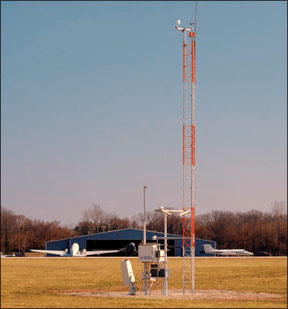
- Unlike human observations that provide spatial awareness, automated systems offer "fixed location, time-averaged" data from a single point, which can be delayed or fail to represent actual localized weather phenomena encountered by pilots on approach.
- Pilots must understand these limitations, gather comprehensive weather information, provide pilot reports (PIREPs) for discrepancies, and always be prepared to execute a missed approach, especially when conditions are uncertain or near minimums.
Key takeaways sponsored by Aviator Pro | Start Your Training ->
See a mistake? Contact us.

