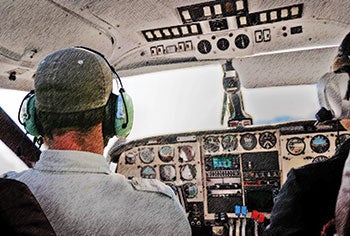
Competent single-pilot IFR flying is primarily about managing complexity through proactive planning and preparation, rather than just physical skill.
Utilize periods of low workload (pre-flight, cruise) to thoroughly prepare for anticipated high-workload phases, such as briefing unfamiliar approaches, calculating descent rates, and understanding weather trends.
Continuously monitor conditions, anticipate changes with "what-if" scenarios, and leverage tools like autopilots and pre-set avionics to reduce workload when it becomes heavy.
As much as we’d all like to think we are IFR super-pilots, every pilot has a limit in any airplane. No matter how good an IFR pilot you are, if you don’t manage things right, you can get to the point where you are lagging far behind the airplane.
Here are two simple rules to help ensure you’ll arrive at the airport at the same time as your airplane:
CREATE A FREE ACCOUNT
Sign up to keep reading
Create a free account to continue. Already a member? Sign in below.