











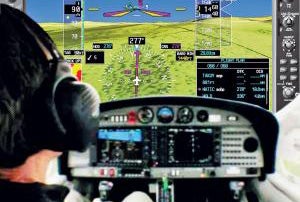


I believe most pilots would agree the execution of a missed approach is one of the most demanding situations a pilot may encounter, short of an emergency. Appropriately, we practice them numerous times during initial instrument and recurrent training. But when was the last time you executed a missed approach outside of the training environment? Knowing that your next missed approach could occur tomorrow, let’s take a moment to review the fundamental elements so you’re prepared for your next IFR flight.
The FAA’s Instrument Flying Handbook, a primary reference in instrument training, states the following: “When a missed approach procedure is initiated, a climb pitch attitude should be established while setting climb power. Configure the aircraft for climb, turn to the appropriate heading, advise ATC that a missed approach is being executed, and request further clearances.” This advice follows the principal pilot mantra, “Aviate, navigate, communicate.”

