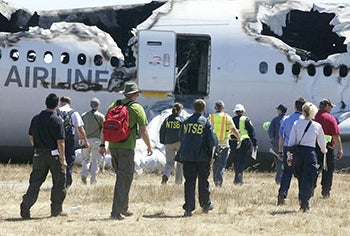


If the George Zimmerman trial wasn’t enough to feed a media frenzy, a major airplane crash at one of the country’s busiest airports filled the remaining void. When I was contacted by a national TV network to validate a specific nuance of the 777 automation system, I actually considered that maybe this time the media would get it right — well, at least in the ballpark, anyhow. After viewing a YouTube video of an Oakland newscaster reading the now infamously fake names of the pilots, I knew all glory for accuracy had faded. In that regard, I felt compelled to enter the speculation fray of the Asiana Airlines Flight 214 crash.
Although the general public is certainly fascinated by the sensational aspect of an airplane crash, we as pilots are fascinated more by an accident’s relevance to our own personal aviation experiences. The popularity of the Aftermath column in this magazine is a reflection of that fascination. If the accident involves an airplane we have flown, we take a keen interest. Put my name on that list. But before I discuss some of the pertinent aspects of Asiana 214, afford me the opportunity to explain the process of a major National Transportation Safety Board investigation. Having donned a blue Tyvek suit and shuffled around a crash site after my airline had one of its worst days, I have a unique perspective. It was a life experience that I would care not to repeat. A full year passed before the smell dissipated from my nostrils.