









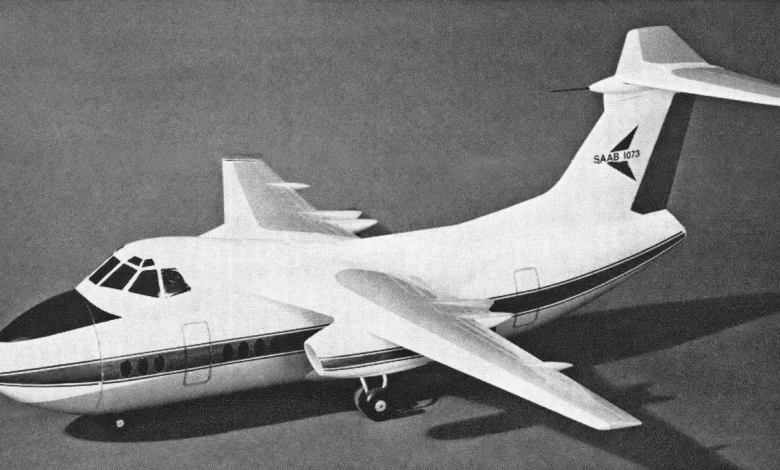
Saab 1073: The Little Jet That Could Have Revolutionized Passenger Boarding
In the late 1960s, Saab rethought the entire system of moving passengers onto and off of aircraft.


In the late 1960s, Saab rethought the entire system of moving passengers onto and off of aircraft.
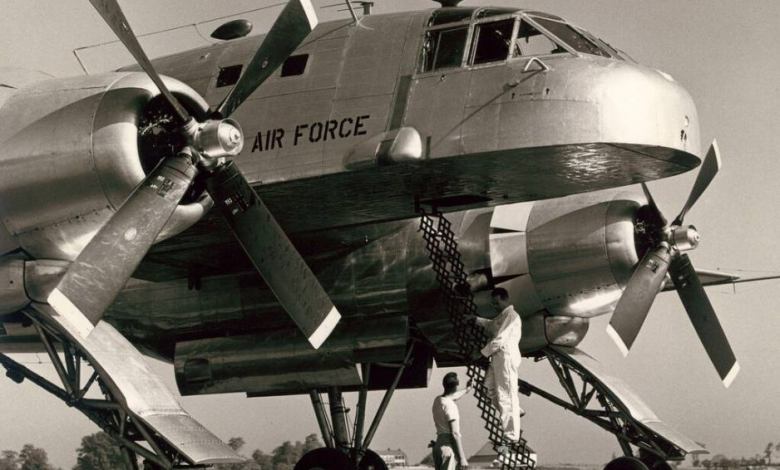
It was designed with ‘quadricycle’ landing gear and modular cargo pod that, in theory, could be quickly attached to and detached from the aircraft.
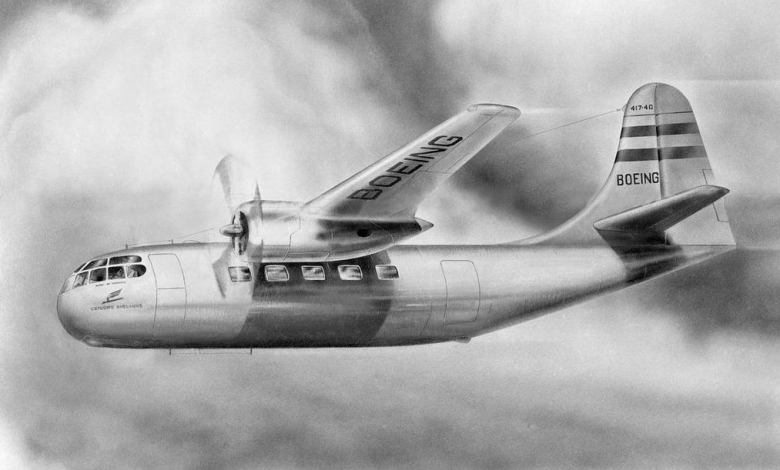
Post-World War II airliner design was meant to be a solution for shorter, lower-capacity local routes.
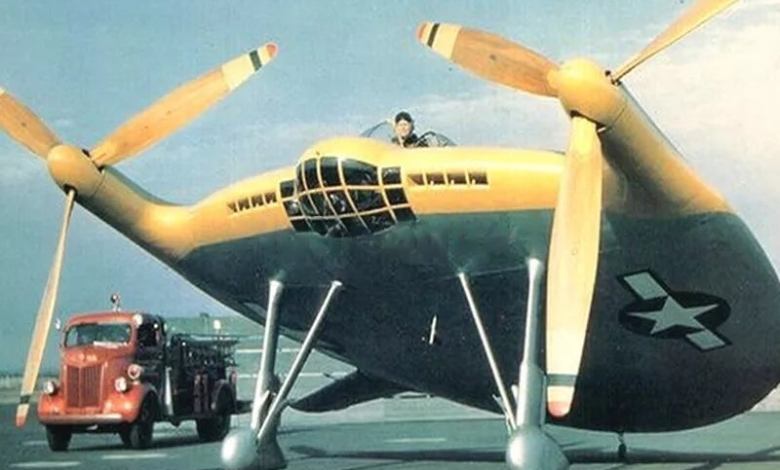
Vought V-173 prototype’s 427 square feet of wing area gave it the capability of taking off nearly vertically with typical wind over a ship’s deck.
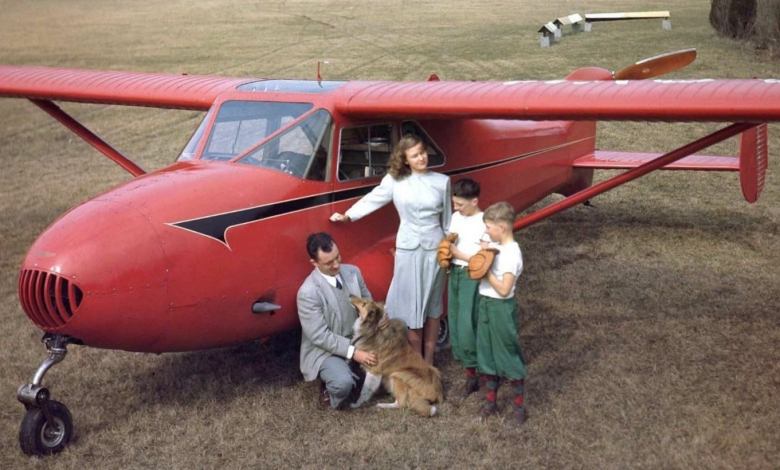
The WACO Aristocraft was a single-engine, four-place aircraft targeting the scores of pilots returning from World War II.
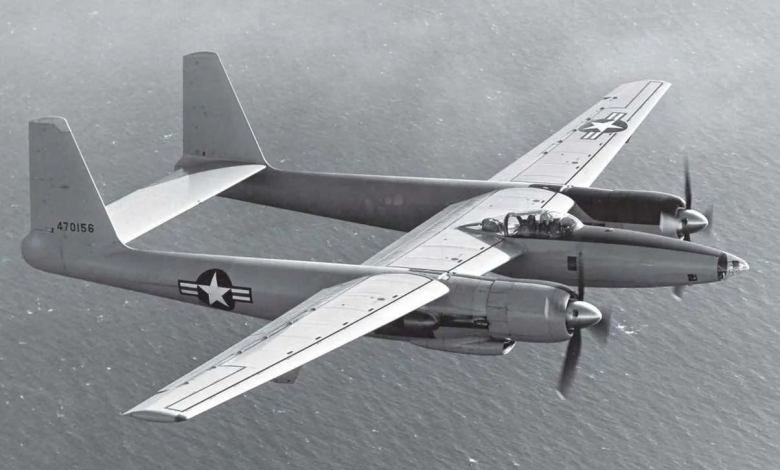
The aircraft was capable of reaching 42,000 feet with a 5,000-mile range and thought to be an ideal solution for photo reconnaissance.
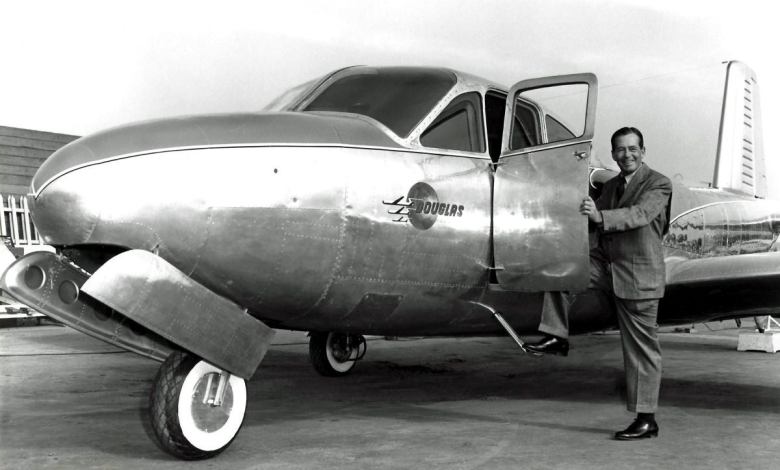
This unconventional 1940s twin-powerplant, pusher-propeller GA aircraft design featured a large forward fuselage, room for five, and white wall tires.
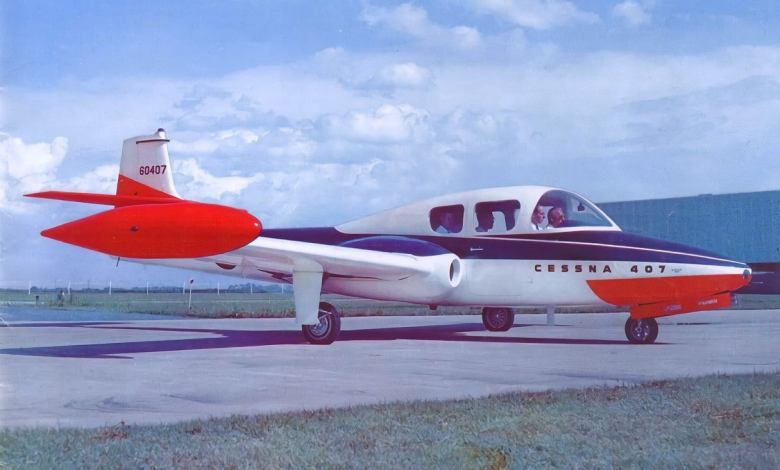
The aircraft was based on a T-37 ‘Tweet’ primary jet trainer modified for civilian use.
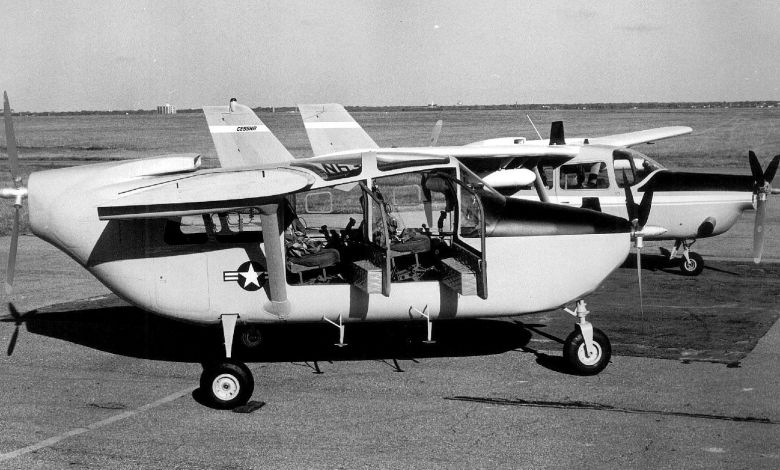
The Cessna O-2TT concept was proposed as an intriguing blend of design elements that never reached the production stage.
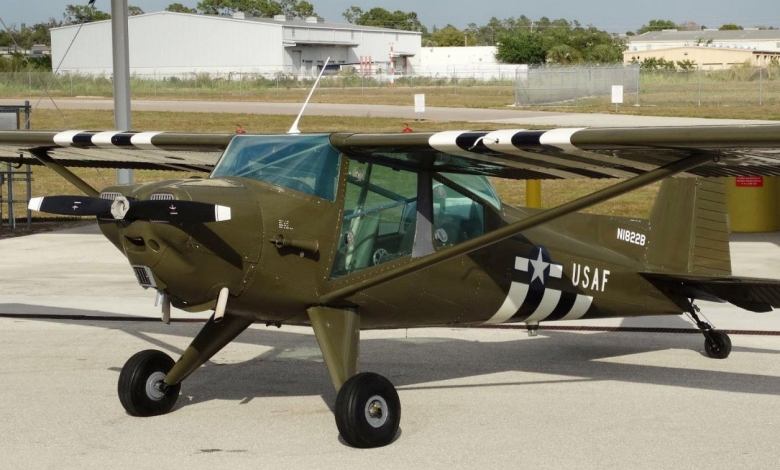
While similar to the rest of the company’s lineup in many ways, the model features many unique quirks.

Get the latest stories & special offers delivered directly to your inbox.
SUBSCRIBE