Weather

Summer Patterns

For many pilots, summer means fly-ins, more flying and searches for the best $100 hamburger. It also marks the end of powerful jet streams and large, organized weather systems that cross the United States from one end to the other. By the time June rolls around, all that stuff shifts north and becomes a problem for our Canadian friends. But, that also gives them four months of mild summer temperatures, so dont feel too bad for them.So what exactly do we have in the United States? We can distill it down to three main features. First theres the large Atlantic Bermuda high, covering the eastern half of the country. Second is the cool Pacific high, which maintains a tenacious foothold on the West Coast. Finally theres the broad thermal low located between the Sierra Nevadas and Rocky Mountains, strongest by far over Arizona. Its driven mostly by intense solar heating.

Read More »

Stay Out of The Dirt

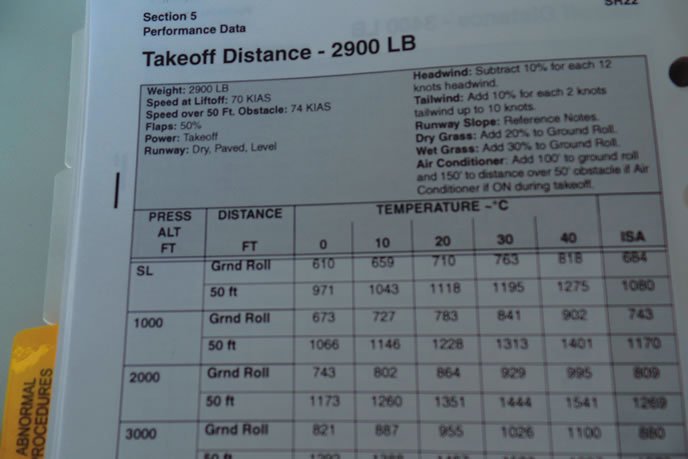
With the exception of a crazed pilot bent on suicide and/or mass murder, nobody wants their airplane to hit the ground at speed. Why, then, do we continue to pilot our aircraft under control all the way to the point of impact with Mother Earth? Pros and students alike are guilty, and perhaps the most frustrating aspect of this is that these oft-fatal accidents are all preventable.The answer begins with proper pre-flight planning to evaluate the risks and your performance. The rest is having the discipline to follow through. This may all seem obvious, but we keep crashing, so lets see what we can do about it.

Read More »

Spring Patterns

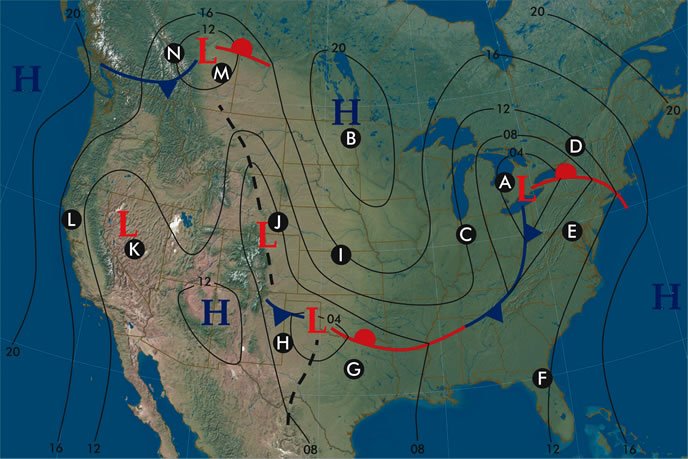
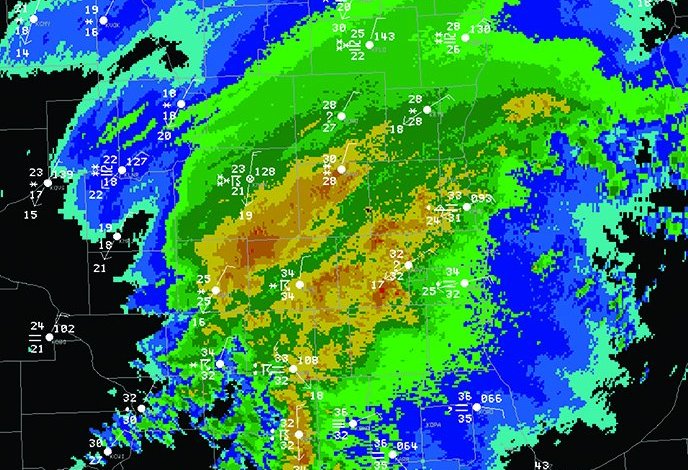
Aviation weather columns typically talk about hazards in terms of elements: Watch the 0 to -20 degrees C layer for icing. Be cautious of wet, clear nights because of fog, etc. We can always learn more from a change in perspective, and we can do so using surface charts from the Aviation Weather Center website. Using these charts we can get a better understanding of why weather hazards occur rather than how they develop. Lets take a look at the sample chart below and break down all the patterns that are going on.

Read More »

Do You Know Ice?

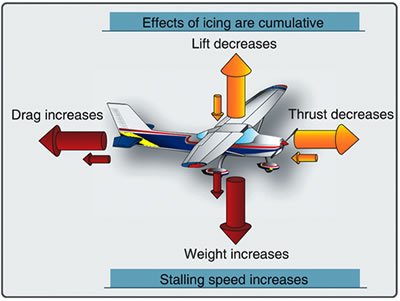
Februarys Cowboy and Cowards sparked some passionate responses about known icing and my assertion that known icing is observed icing. To better understand known icing, we need to look at the concept from definitional, legal, and safety perspectives.

Read More »

What the Heck Makes Thundersnow?

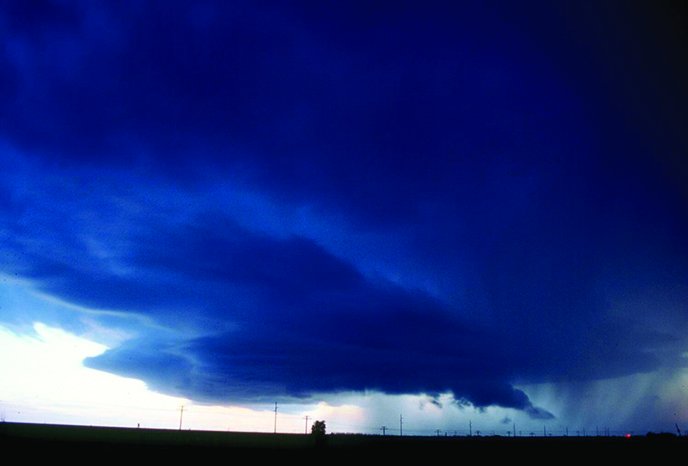
The phenomena can happen in any snowstorm where the conditions happen to be ripe for lightning formation. It turns out that lake (or ocean) effect snow has a higher-than-average incidence of thundersnow where cold air passes over warm, moist water. Even though the temperatures are cold, there’s enough vertical development due to the temperature difference […]

Read More »

Snowflakes and Lightning

Every now and then someone asks, Whats your favorite airplane? Before one stormy January evening, that was a tough call for someone with 47 years and 12,000 hours of flying. After that evening, one particular turboprop twin always takes first prize.

Read More »

Thunderstorm-Think

In todays age of accurate forecasts and effective detection, its easy to avoid thunderstorms. However, with tight schedules and overconfidence leading to a failure to exercise proper thunderstorm avoidance, thunderstorms remain a significant cause of aviation accidents, with wind shear often playing a leading role. A recent memo by Airbus stated that wind shear is involved in four percent of approach and landing accidents and is the ninth leading cause of fatalities.

Read More »

Stacking the Deck

Certification for flight into known icing is expensive. Since most GA airplanes are Sunday drivers the benefit doesnt justify the cost. Instead, airplane manufactures and aftermarket providers may offer pieces of a full system. This piecemeal application of anti-icing or de-icing equipment circumvents the testing requirements while providing a pilot with some additional-if not certified-options. Four methods of anti/de-icing exist: hot air, electrical resistance, liquid and boots.

Read More »

Cowboys and Cowards

Growing up in the land of conquistadors and cowboys, my opportunities for IMC involved attacking thunderstorms or slipping into shallow ponds of fog. Neither was good for gaining instrument time or icing experience. My instructors and peers shared the same background.

Read More »
Pilot in aircraft
Sign-up for newsletters & special offers!

Get the latest stories & special offers delivered directly to your inbox.

SUBSCRIBE