













Register

Thunderstorm-Think

In todays age of accurate forecasts and effective detection, its easy to avoid thunderstorms. However, with tight schedules and overconfidence leading to a failure to exercise proper thunderstorm avoidance, thunderstorms remain a significant cause of aviation accidents, with wind shear often playing a leading role. A recent memo by Airbus stated that wind shear is involved in four percent of approach and landing accidents and is the ninth leading cause of fatalities.

Gemini Sparkle

Key Takeaways:

  • Despite accurate forecasts, thunderstorms remain a significant cause of aviation accidents, with wind shear being a leading factor, highlighting the critical need for pilots to understand and plan for these hazards.
  • A foundational understanding of thunderstorm dynamics, including updrafts, downdrafts, and storm types like multicell, supercell, and squall lines, is essential for pilot situational awareness and informed decision-making.
  • Pilots must be vigilant about various thunderstorm hazards, including lightning, heavy precipitation, icing, hail (which can unexpectedly fall far from the storm core), and intense vertical velocities, often necessitating a 20-mile avoidance rule.
  • Wind shear poses the greatest risk, particularly during approach and landing; pilots must be aware of thunderstorm structure, visually identify downdraft and outflow boundaries (e.g., blowing dust), and recognize signs of developing downdrafts for timely corrective actions like a missed approach.
See a mistake? Contact us.

 class=

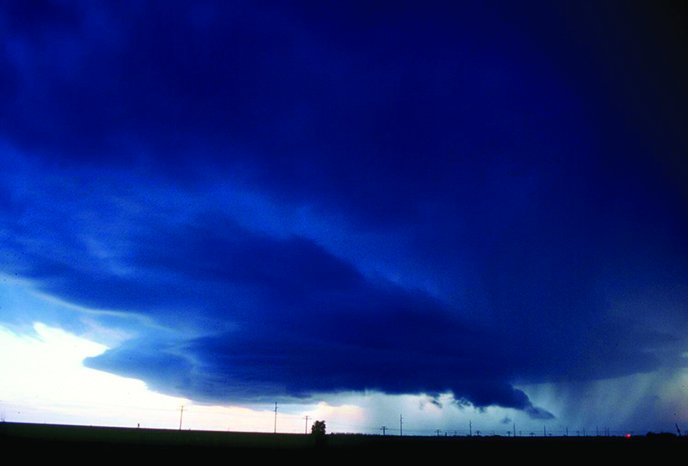
Photo by the Author

Ready to Sell Your Aircraft?

List your airplane on AircraftForSale.com and reach qualified buyers.

List Your Aircraft
AircraftForSale Logo | FLYING Logo
Pilot in aircraft
Sign-up for newsletters & special offers!

Get the latest stories & special offers delivered directly to your inbox.

SUBSCRIBE

