Weather

Weather Multitasking

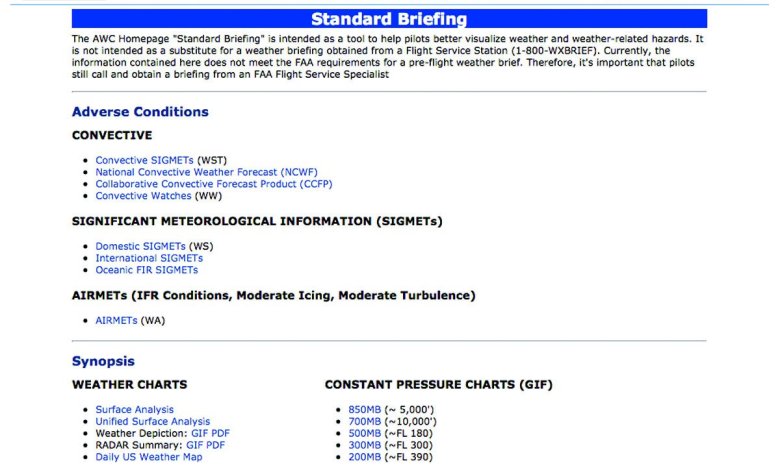
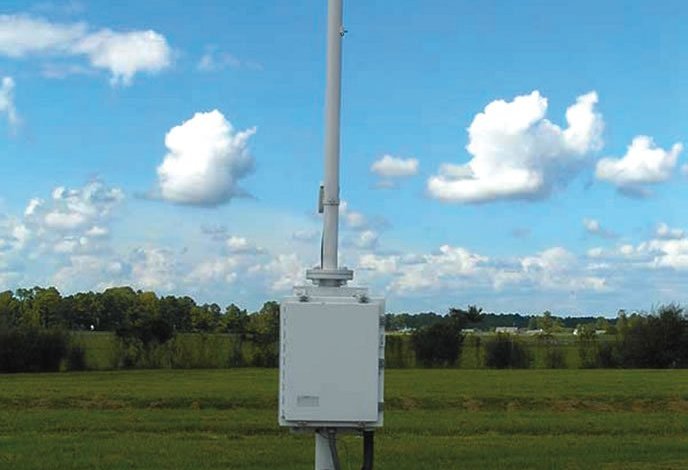
For the moment, well begin with a nickel tour of both the ATC and the national aviation weather systems. Naturally, theres some overlap between them. The FAA air traffic control system is one big ol network. The chain of command begins with the ATC System Command Center in Virginia, which provides oversight and coordination between the biggest ATC facilities, the Air Route Traffic Control Centers.

Read More »

Winter Flight

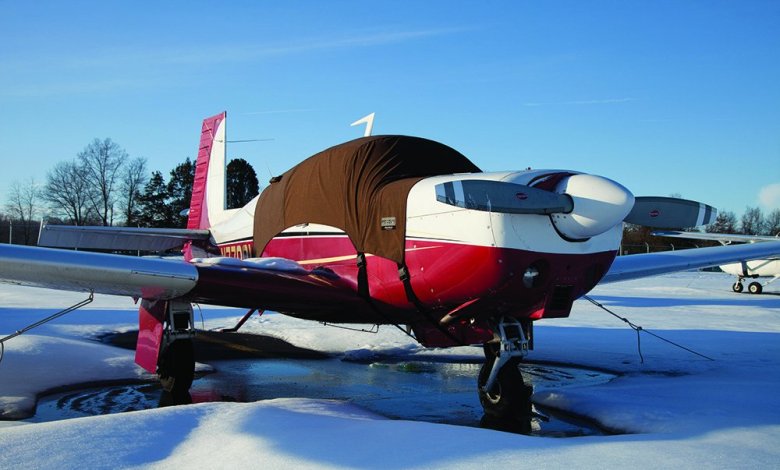
For those of us flying IFR in locations with a high probability of a white Christmas each year, we often need to recalibrate our aeronautical mindset from summer. We have to switch our weather default from Where are the thunderstorms? to Where is the ice? Winter brings us more challenging preflights, engine starts and airport operations. Even though we are all experienced instrument pilots, its still worth taking a few minutes to think about cold weather operations as we head into the worst of the season.

Read More »

Weather Report: Flying with Parcel Acceleration and Vertical Wind Sheers

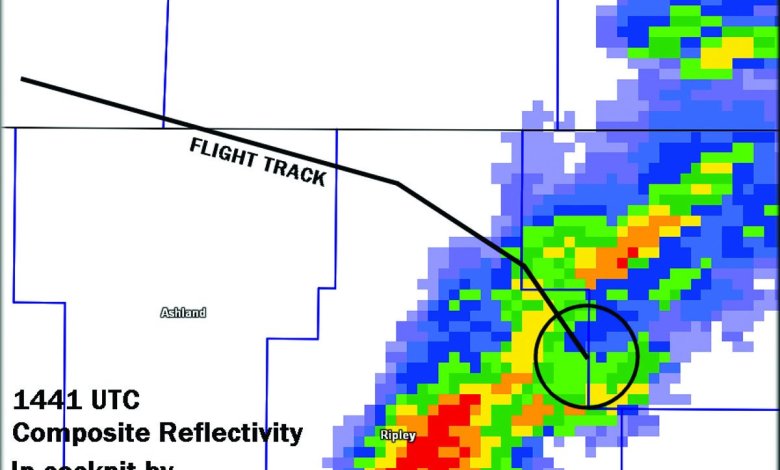
The National Transportation Safety Board archives reveal some serious considerations for general aviation pilots who venture out into ANY unfamiliar condition. Lets examine a couple of noteworthy accidents using some of the highest caliber weather products available to meteorologists. Using these tools, well try to figure out where things went wrong. Unfortunately, todays tools and the expertise behind them werent available to the pilots involved in the accidents. But we can use this knowledge to find lessons that can be learned for pilots who might someday find themselves immersed in similar predicaments.

Read More »

Inside METARS and TAFs

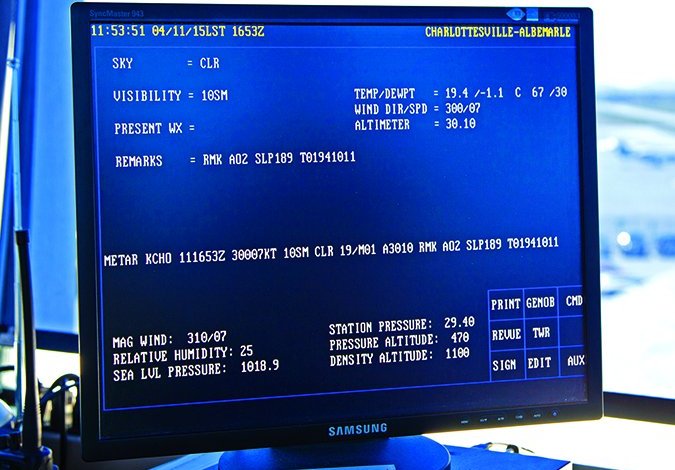
METARs and TAFs have long been the mainstays of aviation weather. Youve probably got a handy decoding guide on your desk or bookmarked in your web browser, so we wont focus on that. However well fill you in with background information-ranging from trivia to amuse other pilots on a long haul, to important tidbits that will provide insight and some options in rough weather.

Read More »

Weather Modeling

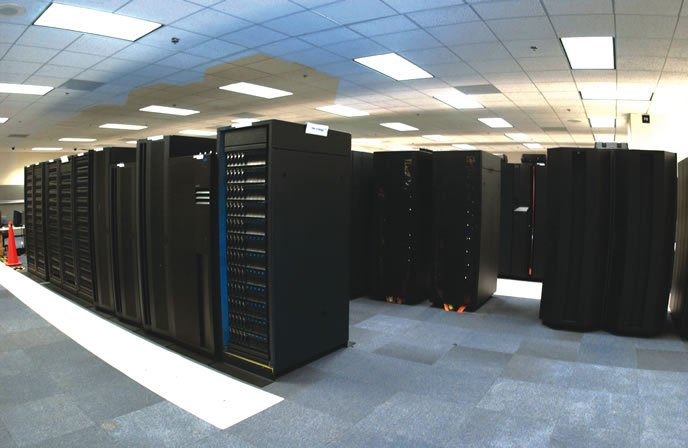
In Wx Smarts we focus on outsmarting the weather through heightened weather-situational awareness. Yet, in my three years here, I havent discussed forecast models. Its time.Models dont yet belong in the cockpit, but they can be valuable for planning and understanding whats going through the minds of the forecasters. Plus, models are useful for long-range outlooks.

Read More »

Southeast Summer

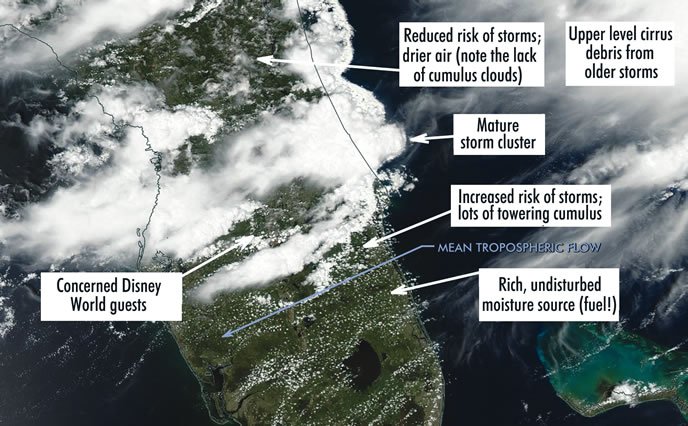
If you think summer weather in the southeastern states means sunshine and VFR, you probably havent experienced one of the numerous warm-season ground stops on traffic going to Atlanta. Granted this part of the country gets plenty of blue sky, but its also when the region gets the bulk of its precipitation. Furthermore some readers might have noticed weather charts almost never show fronts in this area during the summer. So how can we truly get a handle on what to expect?Most of the time when youre dealing with preflight weather briefings and TAFs, you only see half the picture: the final forecast. Very few pilots actually get to see the thinking that goes into the predictions. Its my job to give you that.

Read More »

RVR is not Visibility

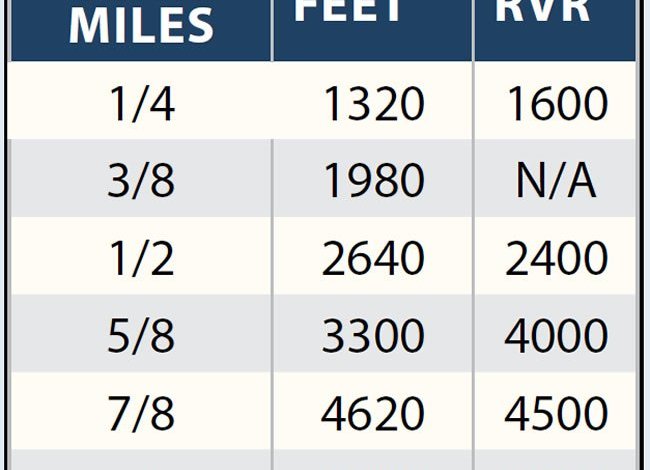
The FAA helps us confuse runway visual range (RVR) with flight visibility, but theyre different concepts. RVR is an instrumentally-derived value at a runway. Flight visibility is a pilot-observed distance in flight. Regulation 91.175 is clear-flight visibility is required to descend below DA/MDA. Yet, approach charts confusingly equate the two by providing both RVR and visibility values.

Read More »

Readback: July 2015

Last fall as I was departing Reno, NV (KRNO), the weather was 1500 overcast (6000 MSL), tops 10,000 MSL, surface temp +10 C and there was no precipitation. I was flying my pressurized, turbocharged, FIKI-certified Cessna 414. Id flight planned for FL 190. I hand flew the departure because that is recommended when potential icing conditions exist. In the climb I noticed light rime ice on the leading edges of the wings. I was watching carefully for decreasing performance (airspeed, rate of climb, etc.) and all seemed quite normal.

Read More »
Pilot in aircraft
Sign-up for newsletters & special offers!

Get the latest stories & special offers delivered directly to your inbox.

SUBSCRIBE