













Register

Inside METARS and TAFs

METARs and TAFs have long been the mainstays of aviation weather. Youve probably got a handy decoding guide on your desk or bookmarked in your web browser, so we wont focus on that. However well fill you in with background information-ranging from trivia to amuse other pilots on a long haul, to important tidbits that will provide insight and some options in rough weather.

Gemini Sparkle

Key Takeaways:

  • METARs and TAFs were internationally standardized in 1965, but the U.S., Canada, and Mexico resisted adopting these formats until 1996.
  • Modern METARs are primarily generated by automated ASOS systems, which use advanced sensors but have inherent limitations in accurately detecting certain weather phenomena like patchy fog, specific precipitation types, or stationary clouds.
  • Unlike automated METARs, TAFs are meticulously crafted by highly trained human forecasters who use advanced tools and "metwatch" techniques, leading to their detailed accuracy but also limiting their availability to major airports.
  • Pilots should be aware of significant METAR and TAF coverage gaps in remote U.S. regions and many international areas, necessitating the use of alternative weather data sources like synoptic codes or surrounding reports.
See a mistake? Contact us.

METARs and TAFs have long been the mainstays of aviation weather. You’ve probably got a handy decoding guide on your desk or bookmarked in your web browser, so we won’t focus on that. However we’ll fill you in with background information—ranging from trivia to amuse other pilots on a long haul, to important tidbits that will provide insight and some options in rough weather.

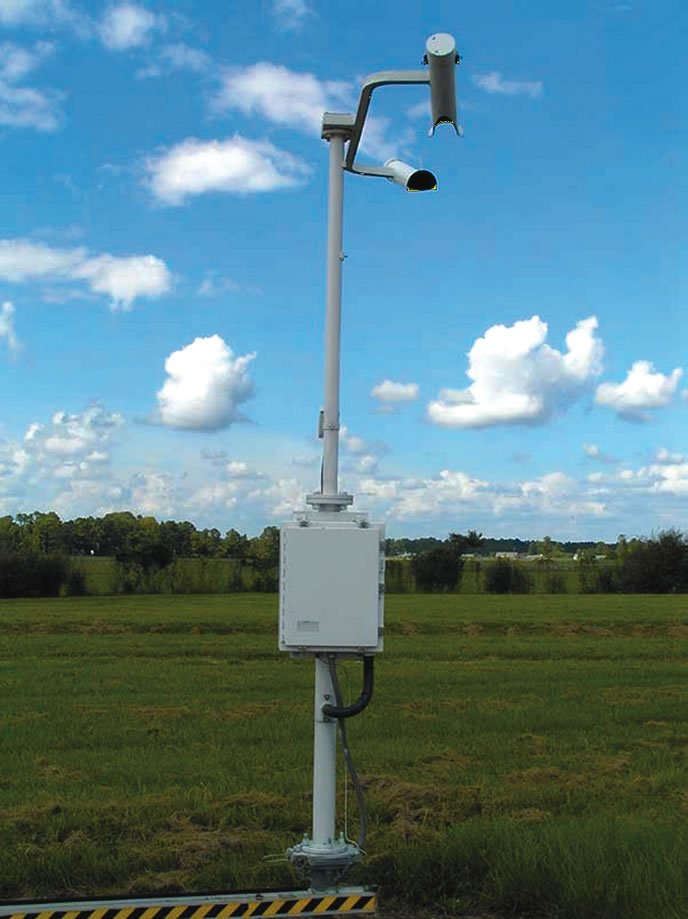
(NOAA/NWS Newport-Morehead photo)

Ready to Sell Your Aircraft?

List your airplane on AircraftForSale.com and reach qualified buyers.

List Your Aircraft
AircraftForSale Logo | FLYING Logo
Pilot in aircraft
Sign-up for newsletters & special offers!

Get the latest stories & special offers delivered directly to your inbox.

SUBSCRIBE
