Weather

Readback August 2016

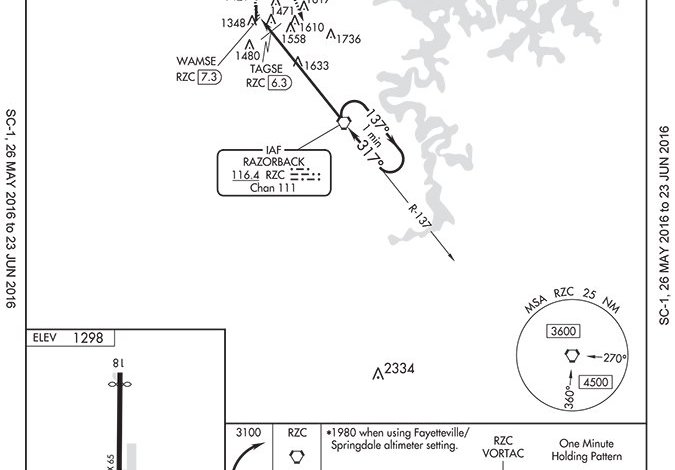
Certainly following the airways and the MEAs, and then descending over an initial approach fix or hold would be best. I was just thinking of a case when we werent on an airway, like between Keflavik, Iceland (BIKF) and Narsarsuaq, Greenland (BGBW). We wanted to make sure we were above the OROCA and MSAs for that area when we were descending. I guess we could have stayed at our filed FL170 until over the hold, but given that the airport is at sea level we wanted to start a prudently safe descent beforehand.

Read More »

Flying in a Thunderstorm

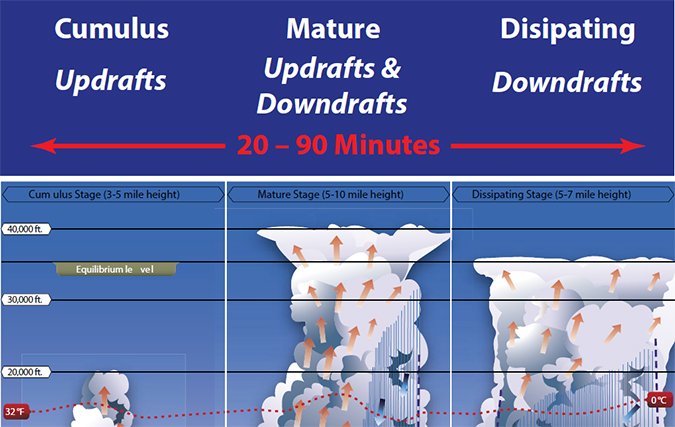
Pilots get a pass for confessing to the Aviation Safety Reporting System, while the private sector (Embry-Riddle Aeronautical University), not the U.S. government, maintains one of the largest online repositories of NTSB accident documents. Theres no shortage of lessons to be learned and a great culture of diffusing this hard-won wisdom. So, lets delve into a few randomly selected NTSB accident reports, supplemented by any available press stories.

Read More »

Using Spherics

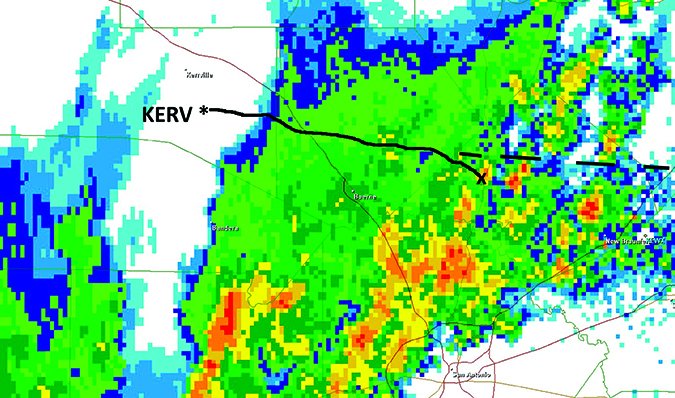
Both spherics and NEXRAD have blind spots and neither is infallible. Spherics devices can have false negatives because they dont see those static discharges until they happen. While most cells with dangerous opposing currents also produce significant static, nature is inherently unpredictable and the static discharges can lag. Of course, the delays in getting NEXRAD images to the cockpit can lead to significant errors. Plus, radar only seeing precipitation, not turbulence, can cause difficulty interpreting the image.

Read More »

Introducing Graphical Forecasts for Aviation

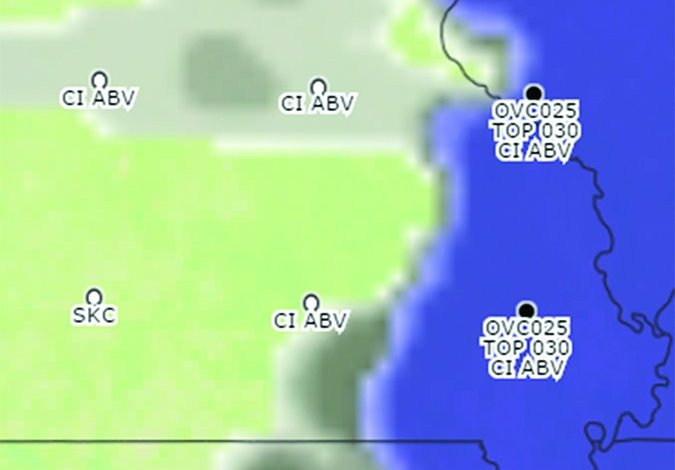
In the summer of 2014 the FAA published in the Federal Register its intent to do away with the Area Forecast (FA) and replace it with digital and graphical alternatives. The agency wrote that the FA was a broad forecast of limited value and that existing, better, alternatives existed.

Read More »

Wake Turbulence: Silent But Deadly

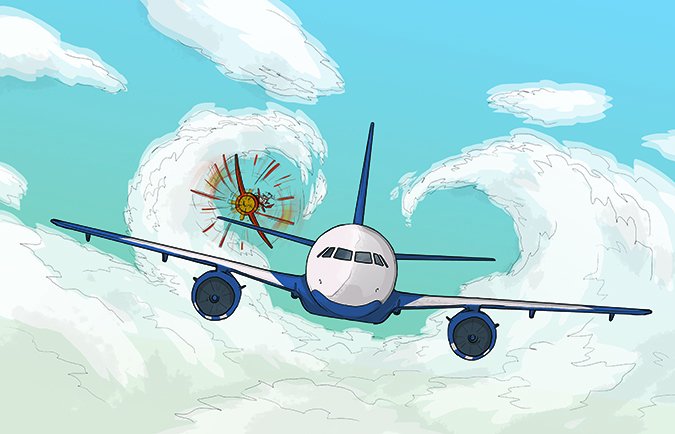
A low morning fog crept onto the airport as I cleared a CRJ-900 regional jet for takeoff. The RJ lifted, passing just above the vaporous wall, and I switched him to Departure. I waited, watching for something I dealt with every day as an air traffic controller, but had never witnessed.

Read More »

Getting Blasted

Wingtip vortices aren’t the only type of disturbed air concerning pilots and controllers. According to the 7110.65’s Pilot/Controller Glossary, wake turbulence includes “thrust stream turbulence, jet blast, jet wash, propeller wash, and rotor wash both on the ground and in the air.” If an airplane’s got an engine, that engine’s going to move some air, […]

Read More »

Nowcasting Your Flight

My goal in this column is to bring the art and science of forecasting to pilots. This is because forecasts arent perfect and still wont be in the foreseeable future. This is not an indictment of the profession, but an acknowledgement of the realities of the forecast problem. For example, a single balloon launch is used to represent the 400,000 cubic miles of troposphere over Arkansas, and only happens every 12 hours. This is why good forecasters are skeptical of models and blend them with experience, intuition, and their own analysis before making a forecast.

Read More »

ATC to the Rescue

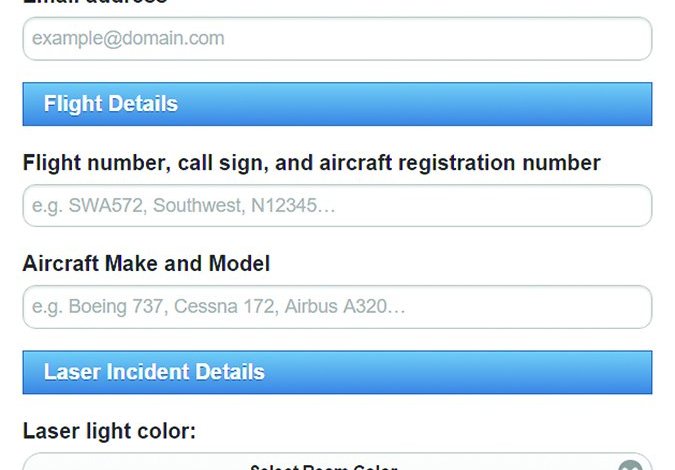
As a pilot you most certainly know that just about everything in aviation has a checklist. We controllers have our own checklists for a multitude of hazardous situations, unauthorized laser illumination included. I pulled up the appropriate checklist while the helo maneuvered.

Read More »

Who’s Looking Matters

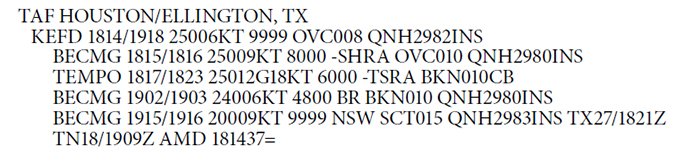
Recently, a friend who flies out of Houston Hobby (KHOU) shared something thats bothered him for some time. Just seven miles east of Hobby is Ellington Field (KEFD), a joint-use military/civilian airport. Both airports issue TAFs. Hobbys TAFs come from the NWS and Ellingtons are issued by the military. Interestingly, sometimes there is a great disparity between the forecasts. Do they each have their own biases? Are they looking through different glasses? Its like asking two witnesses what they see in an accident that hasnt happened yet.

Read More »

Flight-Level Winds Aloft

Winds aloft charts have long been a staple of flight planning, if at least just to figure wind correction angles and groundspeed. But in Wx Smarts, we try to help you more fully exploit weather products to think more like a forecaster than a person just checking off boxes during preflight.

Read More »
Pilot in aircraft
Sign-up for newsletters & special offers!

Get the latest stories & special offers delivered directly to your inbox.

SUBSCRIBE