Register

Weather

Ice and Tail Stalls

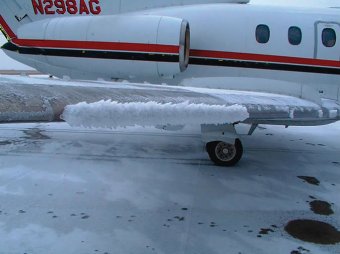
Every year structural icing claims a small but steady number of airplanes. Many of the accidents are on approach in clear air-after the airplane has already collected a load of ice. We look at it afterwards and wonder-the airplane had been doing fine-why did it crash well after it escaped from icing conditions?
Read More »

Icing Weather Basics

Next to poor visibility and low ceilings, ice is one of winters most common weather hazards. A recent study of icing accidents showed that 71 percent of the pilots were instrument rated, averaged 2000 hours, and over half of the flights received a proper icing forecast. This strongly suggests that ice is not well understood or is ignored.

Read More »

Have Some Compassion

Why is it when youre trying to do something good, the weather always turns bad? Todays mission is a Patient Airlift Services (PALS) flight from Montpelier, Vermont to Boston, Massachusetts. Your quick hop from your home base in Burlington, Vermont already gave you a decent instrument warm-up.

Read More »

Autumn Changes

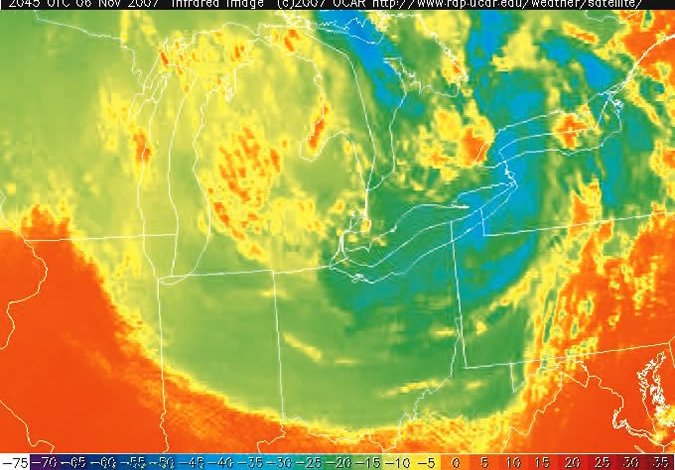
Fall conjures memories of bright blue skies, cool mornings and generally good daytime flying. But in aviation, looks can be deceiving. New air masses are on the move, the jet stream begins to flex its muscle over much of the United States, fronts are marching southward, and theres likely a tropical storm in the Caribbean or the Gulf. How does this affect your flying and how can you avoid an unplanned turn of events?

Read More »

Coded Departure Routes

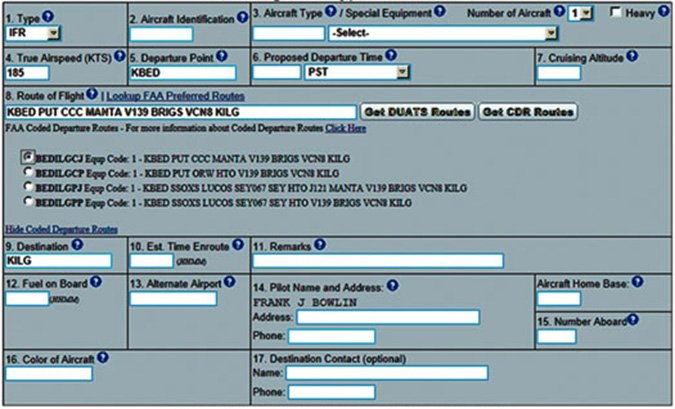
Pilots want ways to mitigate bad weather. The Coded Departure Route (CDR) is one of the least-known such tools in GA, although its been available since 2007. The AIM tells us, CDRs provide air traffic control a rapid means to reroute departing aircraft when the filed route is constrained by either weather or congestion. So, if youd rather not wait, a CDR might be for you.

Read More »

What to Brief

The main article covers a lot of things to consider for your various briefings. Here, though, is a view of the items you might want to brief for each phase of your flight.

Read More »

Weather Planning

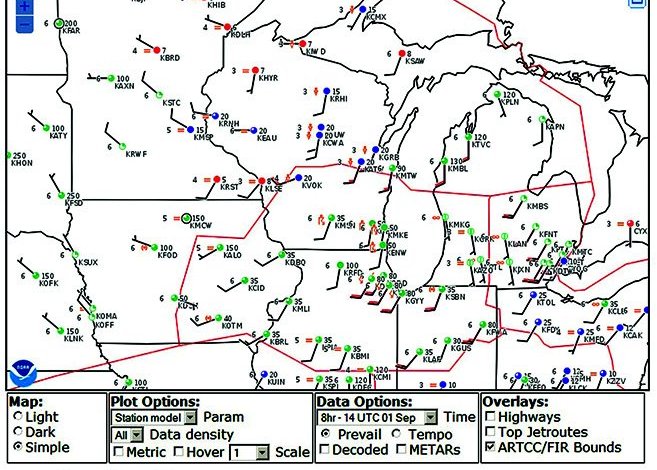
Preflight weather planning has long consisted of calling an FAA Flight Service Station. Years ago, you might have even visited one. But, using the Internet, you can now draw on the same resources that meteorologists use. While the 2000s brought weather data to the cockpit, were now getting some Internet tools to the cockpit via dedicated datalink. Although we cant yet cheaply surf the web at cruise, we connect to the Internet at the FBO, on the ramp and in the plane on the ground, using phones and tablets with WiFi and cellular data.

Read More »

Tips for Weather Planning

Remember that web sites outside the FAA and NWS domains should be considered supplementary tools to be used in combination with a weather briefing through official sources.

Read More »

More Required Reports

Last months clinic began a detailed look at the reports we are required to give ATC or FSS during an IFR flight. Specifically, we began looking at the reports other than the position reports required by 14 CFR 91.183(a), which well cover separately. The remaining reports come from three sources: 14 CFR 91.183 (paragraphs b and c), 14 CFR 91.187, and AIM 5-3-3.

Read More »
Pilot in aircraft
Sign-up for newsletters & special offers!

Get the latest stories & special offers delivered directly to your inbox.

SUBSCRIBE