













Register

Autumn Changes

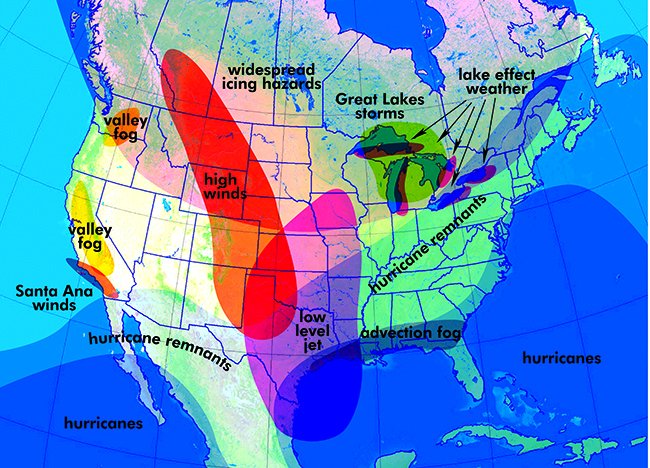
Fall conjures memories of bright blue skies, cool mornings and generally good daytime flying. But in aviation, looks can be deceiving. New air masses are on the move, the jet stream begins to flex its muscle over much of the United States, fronts are marching southward, and theres likely a tropical storm in the Caribbean or the Gulf. How does this affect your flying and how can you avoid an unplanned turn of events?

Gemini Sparkle

Key Takeaways:

  • Fall introduces significant aviation weather hazards, including widespread dense fog (e.g., valley and advection fog), high winds from dynamic weather systems, and the increased likelihood of various forms of structural icing.
  • Pilots must be vigilant for tropical storm remnants that can bring heavy precipitation and severe icing far inland, as well as specific regional phenomena like central U.S. low-level jets and Santa Ana winds.
  • Rapidly intensifying storms, particularly around the Great Lakes, contribute to unpredictable and challenging flying conditions during this season.
  • Thorough flight planning, diligent monitoring of meteorological products (TAF, SIGMET, AIRMET), and preparing for unexpected weather changes are crucial for safe fall aviation.
See a mistake? Contact us.

Fall conjures memories of bright blue skies, cool mornings and generally good daytime flying. But in aviation, looks can be deceiving. New air masses are on the move, the jet stream begins to flex its muscle over much of the United States, fronts are marching southward, and there’s likely a tropical storm in the Caribbean or the Gulf. How does this affect your flying and how can you avoid an unplanned turn of events?

FAT Is for Fog

Ready to Sell Your Aircraft?

List your airplane on AircraftForSale.com and reach qualified buyers.

List Your Aircraft
AircraftForSale Logo | FLYING Logo
Pilot in aircraft
Sign-up for newsletters & special offers!

Get the latest stories & special offers delivered directly to your inbox.

SUBSCRIBE
