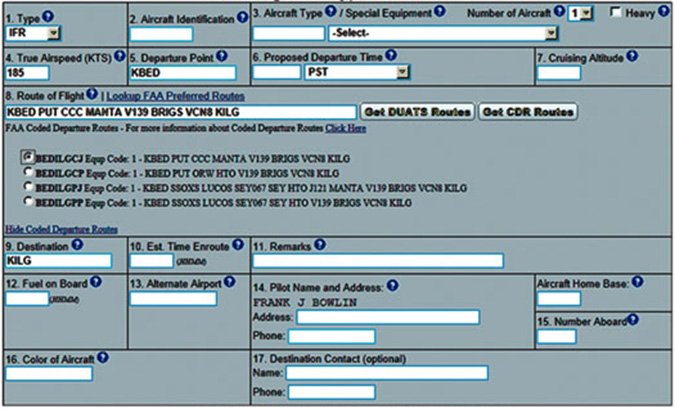
Pilots want ways to mitigate bad weather. The Coded Departure Route (CDR) is one of the least-known such tools in GA, although its been available since 2007. The AIM tells us, CDRs provide air traffic control a rapid means to reroute departing aircraft when the filed route is constrained by either weather or congestion. So, if youd rather not wait, a CDR might be for you.
Coded Departure Routes (CDRs) are pre-defined alternate routes available to pilots since 2007, designed by ATC to rapidly reroute aircraft around adverse weather or congestion, thus minimizing delays.
CDRs offer greater route flexibility than SIDs and streamline ATC clearances, with many basic "Code 1" CDRs being accessible even to general aviation aircraft, though more advanced ones require specific equipment.
Pilots can find CDRs on the FAA website (fly.faa.gov) and through flight planning tools; however, it is crucial to verify a chosen CDR's compatibility with their aircraft's equipment, altitude capabilities, and associated SIDs before filing.
Pilots want ways to mitigate bad weather. The Coded Departure Route (CDR) is one of the least-known such tools in GA, although it’s been available since 2007. The AIM tells us, “CDRs provide air traffic control a rapid means to reroute departing aircraft when the filed route is constrained by either weather or congestion.” So, if you’d rather not wait, a CDR might be for you.
CREATE A FREE ACCOUNT
Sign up to keep reading
Create a free account to continue. Already a member? Sign in below.