













Register

Spring Patterns

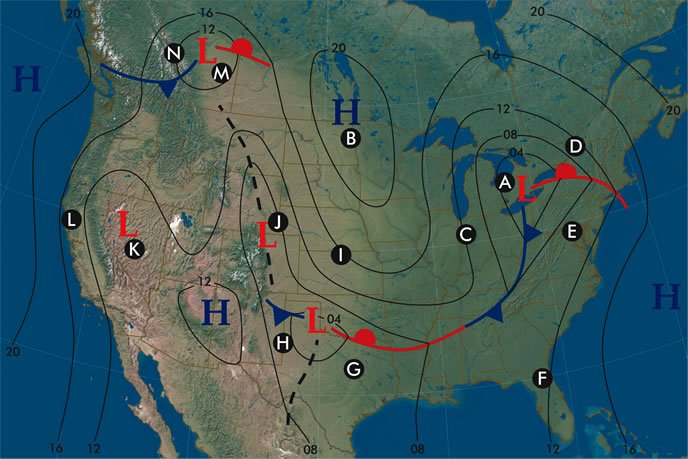
Aviation weather columns typically talk about hazards in terms of elements: Watch the 0 to -20 degrees C layer for icing. Be cautious of wet, clear nights because of fog, etc. We can always learn more from a change in perspective, and we can do so using surface charts from the Aviation Weather Center website. Using these charts we can get a better understanding of why weather hazards occur rather than how they develop. Lets take a look at the sample chart below and break down all the patterns that are going on.

Gemini Sparkle

Key Takeaways:

  • The article advocates using surface charts to understand *why* aviation weather hazards develop, offering a shift in perspective from merely identifying hazard elements.
  • It describes diverse weather patterns—including frontal systems, warm sectors, drylines, and upslope flows—and their specific implications for flying conditions (e.g., VMC, IMC, turbulence, fog, precipitation).
  • Key hazardous zones highlighted include areas ahead of warm fronts (prone to IMC, icing, and fog) and regions experiencing strong upslope flow, which can lead to severe precipitation and low ceilings.
See a mistake? Contact us.

Aviation weather columns typically talk about hazards in terms of elements: “Watch the 0 to -20 degrees C layer for icing.” “Be cautious of wet, clear nights because of fog,” etc. We can always learn more from a change in perspective, and we can do so using surface charts from the Aviation Weather Center website. Using these charts we can get a better understanding of why weather hazards occur rather than how they develop. Let’s take a look at the sample chart below and break down all the patterns that are going on.


Ready to Sell Your Aircraft?

List your airplane on AircraftForSale.com and reach qualified buyers.

List Your Aircraft
AircraftForSale Logo | FLYING Logo
Pilot in aircraft
Sign-up for newsletters & special offers!

Get the latest stories & special offers delivered directly to your inbox.

SUBSCRIBE
