













Register

Stacking the Deck

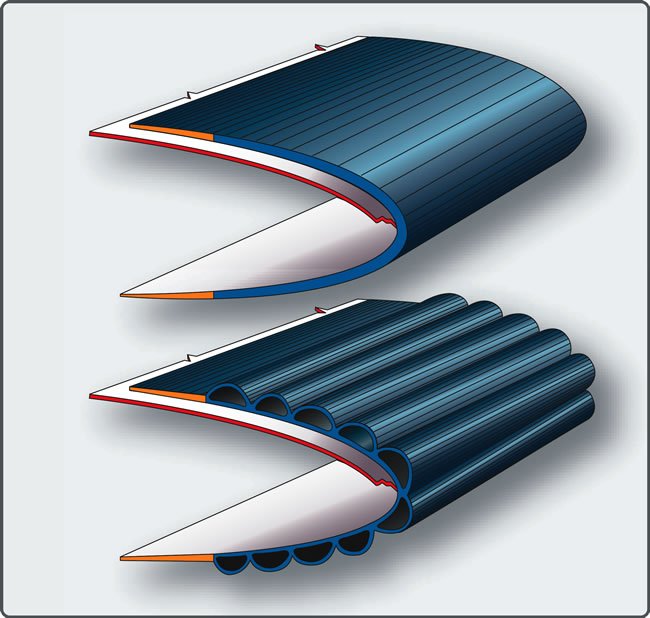
Certification for flight into known icing is expensive. Since most GA airplanes are Sunday drivers the benefit doesnt justify the cost. Instead, airplane manufactures and aftermarket providers may offer pieces of a full system. This piecemeal application of anti-icing or de-icing equipment circumvents the testing requirements while providing a pilot with some additional-if not certified-options. Four methods of anti/de-icing exist: hot air, electrical resistance, liquid and boots.

Gemini Sparkle

Key Takeaways:

  • Due to the high cost of certification for full icing protection, General Aviation (GA) aircraft often feature uncertified, piecemeal anti-icing or de-icing equipment.
  • Four primary anti/de-icing methods exist: hot air (less common in GA piston wings), electrical resistance (common for pitot heat but power-intensive), liquid systems (e.g., weeping wings, but have weight/capacity limitations), and pneumatic boots (a common wing de-icing method).
  • Each system has distinct advantages and disadvantages, requires maintenance, and ultimately provides pilots with extra time to exit icing conditions when flying in cold or high-altitude environments.
See a mistake? Contact us.

Certification for flight into known icing is expensive. Since most GA airplanes are Sunday drivers the benefit doesn’t justify the cost. Instead, airplane manufactures and aftermarket providers may offer pieces of a full system. This piecemeal application of anti-icing or de-icing equipment circumvents the testing requirements while providing a pilot with some additional—if not certified—options. Four methods of anti/de-icing exist: hot air, electrical resistance, liquid and boots.

Ready to Sell Your Aircraft?

List your airplane on AircraftForSale.com and reach qualified buyers.

List Your Aircraft
AircraftForSale Logo | FLYING Logo
Pilot in aircraft
Sign-up for newsletters & special offers!

Get the latest stories & special offers delivered directly to your inbox.

SUBSCRIBE
