











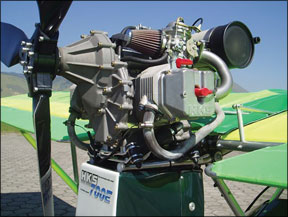
Aircraft engines these days come in a lot more flavors and configurations than they used to, thanks largely to the advent of two forms of alternative aviation: most recently, the light sport aircraft (LSA) market and, much earlier, the 1990s surge in experimental/amateur kit-built aircraft. Where some of the more-popular experimental designs and several legacy-S-LSA models employ familiar powerplants, the majority fly with engines from BRP-Rotax in Austria, HKS in Japan and Jabiru in Australia. Who are these companies and whats their track record in making flying-machine engines? How do they compare to the 288
LSA Engine Safety
Aircraft engines these days come in a lot more flavors and configurations than they used to, thanks largely to the advent of two forms of alternative aviation: most recently, the light sport aircraft (LSA) market and, much earlier, the 1990s surge in experimental/amateur kit-built aircraft. Where some of the more-popular experimental designs and several legacy-S-LSA models employ familiar powerplants, the majority fly with engines from BRP-Rotax in Austria, HKS in Japan and Jabiru in Australia. Who are these companies and whats their track record in making flying-machine engines? How do they compare to the "traditional," FAA-certified offerings from Continental and Lycoming? Who sets the standards? And whats their safety record? These newer engines can spur concerns among ardent fans of the familiar, tried-and-true air-cooled flat aircraft engines from Textron Lycoming and Teledyne Continental Motors. Often, it seems, those concerns grow out of unfamiliarity. The differences in care and feeding and in systems fuels debates about their reliability and, in turn, safety of the newer engines.

Key Takeaways:
- The Light Sport Aircraft (LSA) and experimental markets have led to a significant increase in diverse aircraft engine types from manufacturers like Rotax, HKS, and Jabiru, complementing traditional offerings from Continental and Lycoming.
- Concerns about the safety and reliability of these newer engines often stem from unfamiliarity, but accurate statistical comparisons are difficult due to their prevalence in experimental aircraft (where builder error can be a factor) and varied fleet sizes.
- Ultimately, the safe operation and reliability of any aircraft engine, whether traditional or newer, depend heavily on adhering to model-specific care, maintenance, and operational procedures, rather than inherent flaws in the engine designs themselves.
Key takeaways sponsored by Aviator Pro | Start Your Training ->
See a mistake? Contact us.

