













Register

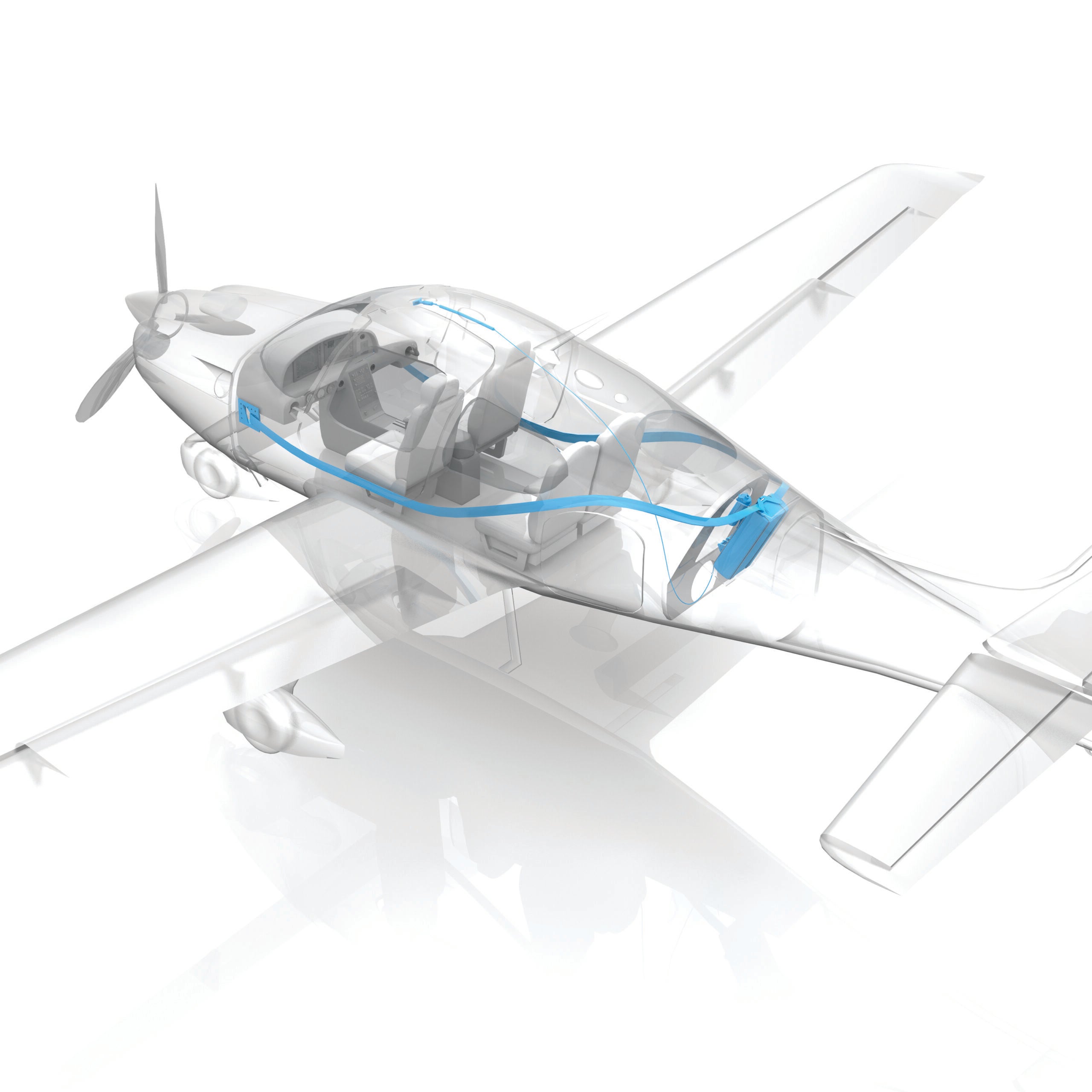
How It Works: BRS Aircraft Parachute

Gemini Sparkle

Key Takeaways:

  • BRS parachutes can deploy at low altitudes (as low as 260 feet, or even below 100 feet in some cases) and high speeds, but BRS strongly advises early deployment, with 2,000 feet being the norm for a safer landing.
  • The system activates with a single pull of a handle, initiating a rocket motor that rapidly propels the parachute lines, which then fully inflates once the aircraft reaches a safe speed, controlled by a "slider."
  • Following deployment, occupants experience a significant "opening shock" of 3-7 Gs, after which the aircraft swings beneath the chute at a descent rate comparable to jumping from 13 feet (e.g., 15-28 feet per second for a Cirrus SR22).
See a mistake? Contact us.

According to BRS, tests have shown that its parachutes can be pulled and still fully inflate at altitudes as low as 260 feet and speeds as high as 187 knots. Individual pilots have testified that they successfully deployed their chutes ­below 100 feet. BRS does not provide a specific minimum-altitude limitation (Cirrus recommends a minimum deployment height of 580 feet in the latest-generation SR22), but that doesn’t mean pilots should wait to pull the handle. For your best chance at a safe, injury-free landing, BRS encourages pilots experiencing midair emergencies to pull the chute sooner rather than later, with a 2,000-foot deployment height being the norm.


Ready to Sell Your Aircraft?

List your airplane on AircraftForSale.com and reach qualified buyers.

List Your Aircraft
AircraftForSale Logo | FLYING Logo
Pilot in aircraft
Sign-up for newsletters & special offers!

Get the latest stories & special offers delivered directly to your inbox.

SUBSCRIBE