











Pete Daniels flies Boeing 787s for one of the world’s largest airlines. He makes $380,000 a year and works an average of nine days per month.
Flight Training for the Airlines
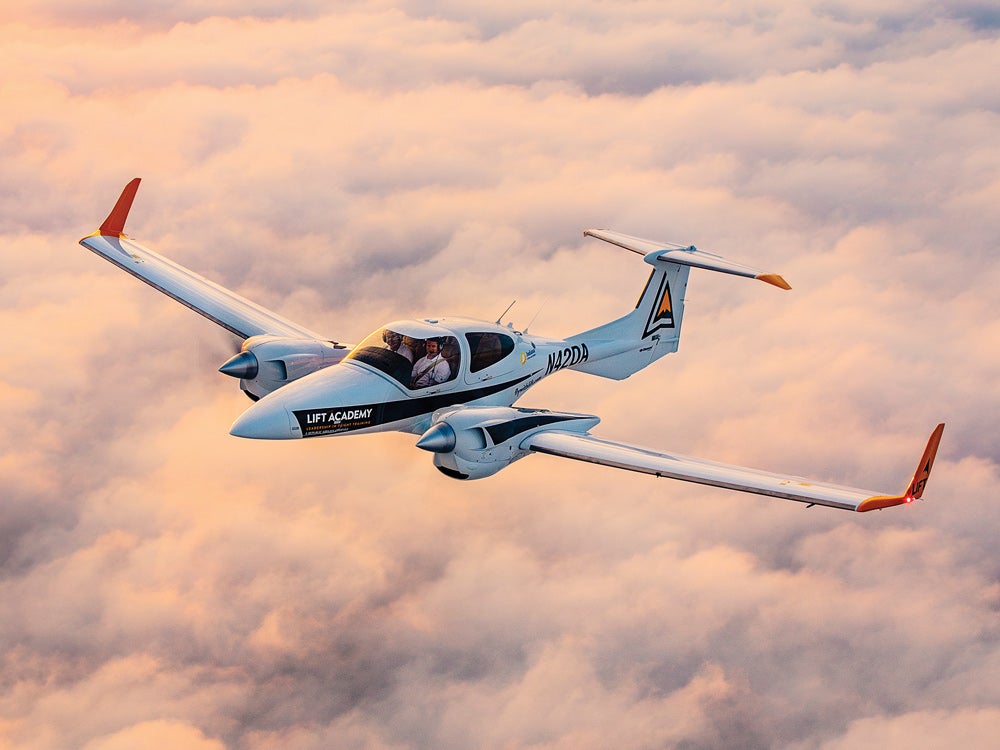

Key Takeaways:
- A significant global pilot shortage is compelling airlines to collaborate with or launch flight academies, aiming to recruit and fast-track new aviators into the industry.
- The prevalent training model involves students becoming certified flight instructors (CFIs) to accrue the 1,500 flight hours required for an Airline Transport Pilot (ATP) certificate, with total program costs typically ranging from $75,000 to $100,000.
- While some academies guarantee employment, this career path involves substantial financial commitment, potential contractual obligations with regional carriers, and continues to face challenges in diversifying its predominantly male and affluent demographic.
Key takeaways sponsored by Aviator Pro | Start Your Training ->
See a mistake? Contact us.

