Register

Stick & Rudder

Some Weight In The Back?

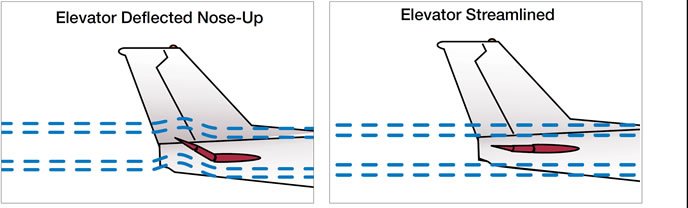
You shouldnt have gotten through private pilot ground school without understanding that, for the same power and weight, minimizing drag will result in an increased airspeed. A gross example might be the difference in airspeed with flaps extended at, say, 55-percent power and when theyre retracted. Of course, no one cruises with flaps extended, but you may inadvertently be adding to the airplanes total drag in cruise when you load it.

Read More »

Crosswinds On Rails

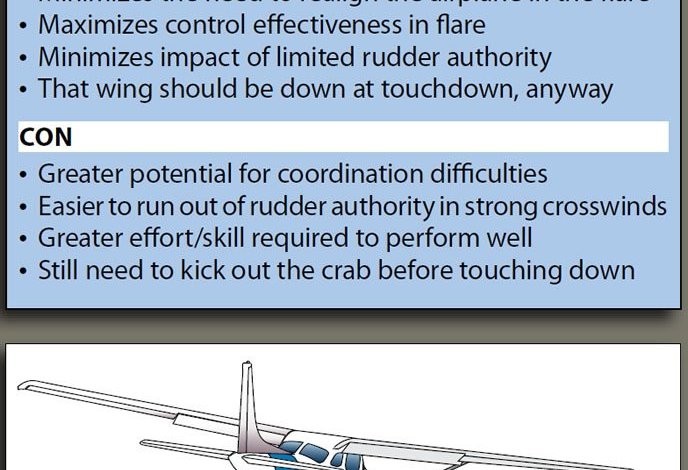
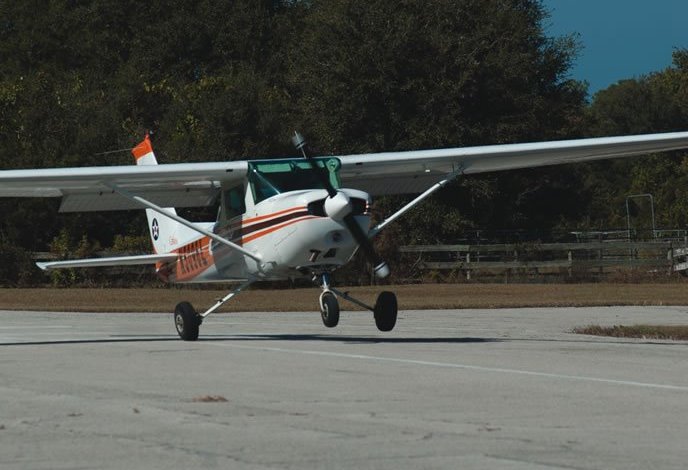
Dont stop to think, just answer the question: When flying a crosswind approach to landing, which compensation technique do you use, a sideslip all the way to the runway, touching down first on the upwind main wheel? Or do you crab into the crosswind, kicking it out at the last second to align the airplane with the runway as it touches down?

Read More »

Can You Spin Your Flivver (Intentionally)?

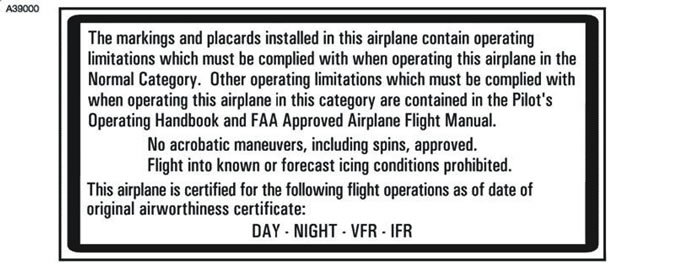
You might be able to do spin training in your own airplane. The first thing to check is whether its placarded against intentional spins, as depicted above. If not, you may still need to find a CFI willing to spin your airplane, plus a couple of parachutes. It may be easier and cheaper to simply find the local spin instructor and sign up for the training in his or her airplane.

Read More »

Which Way Will It Go?

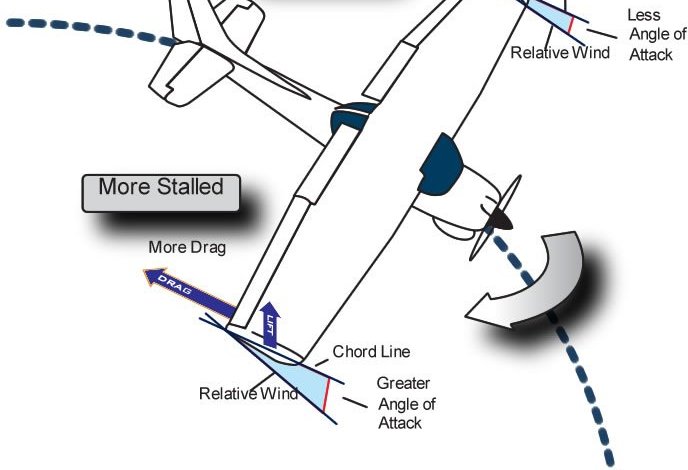
For many, predicting the direction in which an airplane will spin is a Fools Errand-any spins should be avoided in the first place. But understanding how a spin develops and how control deflections help determine the spin direction also can help us avoid them.

Read More »

Flying The Flare

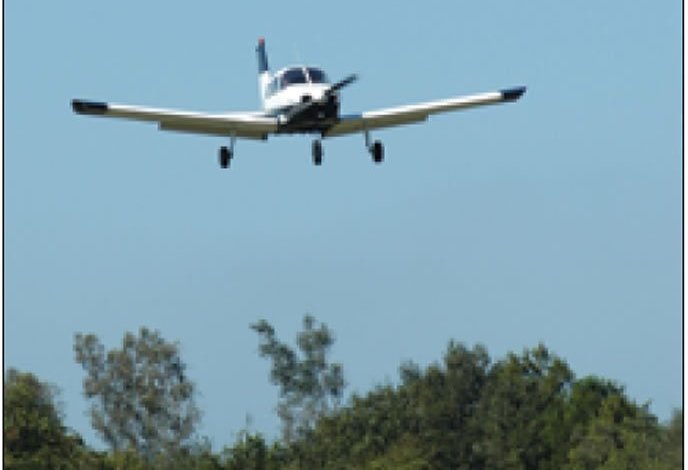
The ideal flare results from one continuous motion, beginning with raising the airplanes slight nose-down attitude to arrest the descent, all the way through touchdown on the mains in a nose-high attitude. Few of us are that good-or that lucky-so we fall back to doing it in stages: pitch slightly up to slow the descent rate and begin decelerating, wait for the effect to be known, then add more nose-up. Rinse, repeat. The timing and rapidity with which we pitch up the second time depends on everything thats happened before on this approach: How high are you? How fast? How much power are you carrying into the flare? How heavy (or light) is the airplane? How stiff is the headwind youre flying into, if any? Based on the answers to these questions, well either add more nose-up input or hold what weve got. Then we do it again until establishing the desired nose-up pitch attitude, right above the runway at stall speed.


Read More »

Top Five Landing Tips

If youre doing it right, and everything works as advertised, that takeoff you just made eventually must be followed by a landing. While takeoffs pose their own challenges, landings can be problematic for many pilots. You might have a problem with airspeed, or with when and how to flare. You might have a problem with picking an aiming point, or what to do when pointing the airplane at it becomes elusive. But thousands of pilots make thousands of successful, we-can-use-the-airplane-again landings each day, and none of them are super-pilots. You can, too.

Read More »

Stall Before Failure

One of the ideas behind slowing down to penetrate turbulence is to avoid stressing or breaking the airframe. Depending on the turbulence-wind gusts, not necessarily in the horizontal plane-can change the wings angle of attack abruptly, create airframe loads. Consider the wing depicted below, in smooth, level air (no gusts) and a relatively low angle of attack (AoA-the angle between the chord line and the relative wind):

Read More »

In The Belly Of The Beast

You should never, ever, ever, fly into a thunderstorm. If youre even thinking about it, you probably have a whole different set of problems, and there may be no choice. With that in mind, here are some suggestions on how to keep things pointed in the right direction-and the wings on-adopted from the FAAs Advisory Circular AC 00-24C, Thunderstorms.

Read More »

Why Va Usually Is Too Fast

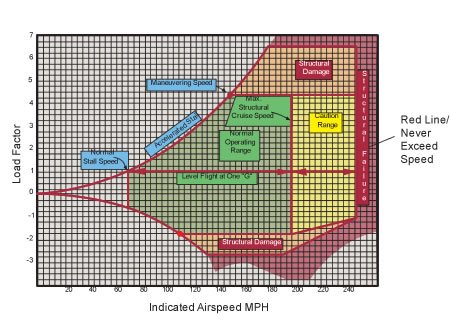
Youve probably seen something like the chart above before in your studies. Its known variously as a V-G diagram, gust diagram or simply an airplanes flight envelope. From it, we can determine the g-loading the represented airplane will experience when accelerated beyond 1G at various airspeeds. For example, the airplane depicted may suffer structural damage at 200 mph if it encounters conditions leading to a 4G loading. Those conditions can include pilot input, turbulence or some combination.

Read More »
Pilot in aircraft
Sign-up for newsletters & special offers!

Get the latest stories & special offers delivered directly to your inbox.

SUBSCRIBE