Safety Analysis

FAA’s Alaska Aviation Safety Initiative

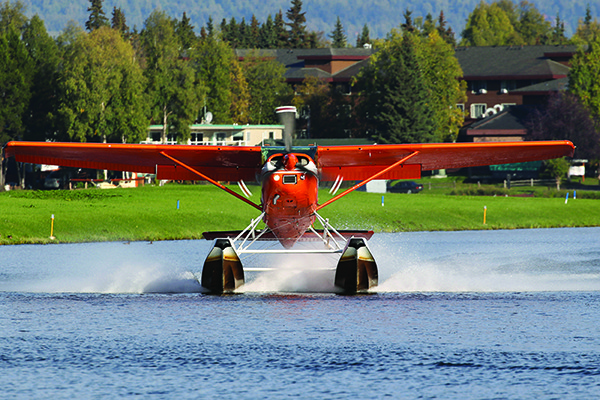
Due to Alaska’s wide-ranging geography and limited road system, residents are heavily dependent upon air travel. In October, the FAA released the final report of its Alaska Aviation Safety Initiative (FAASI), which provides an up-to-date look at the continued problems plaguing the state’s aviation infrastructure. Completed in response to a 2020 recommendation from the NTSB, […]

Read More »

Polishing Your Scan: Our Top Five Tips

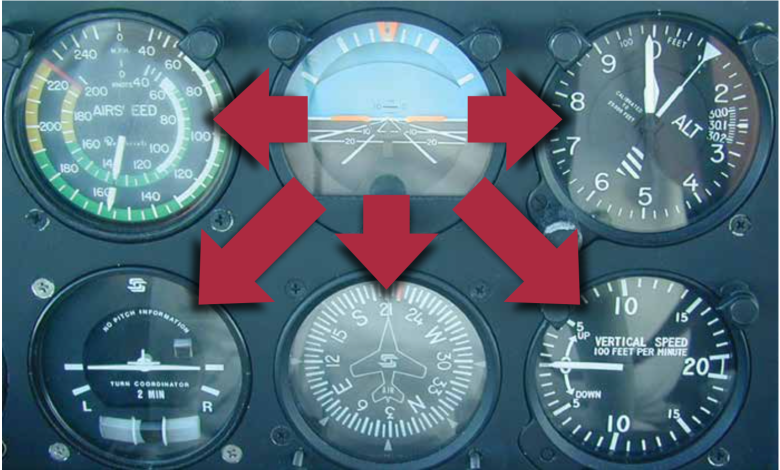
One of the first things an instrument student learns is to scan instruments in the panel, or their EFIS presentation, to determine the aircraft’s attitude. Focusing only on the attitude indication initially, we slowly learn to expand our scan to other instruments, however they’re represented, both for confirmation of what the AI is telling us […]

Read More »

Storm Avoidance 101

I am of the opinion that thunderstorms are the most challenging weather condition to fly in regularly. Most other hazards have solid mitigation strategies or present such a high level of risk that the flight must be scrapped. Of course, this all vastly depends on your mission. Moderate turbulence, for example, does not typically present hazards […]

Read More »

Rust Never Sleeps

On June 30, 2020, during a night training mission, F-16 pilot First Lieutenant David Schmitz damaged his landing gear striking an antenna array as he attempted to land at Shaw Air Force Base. The 32-year-old Air Force pilot was nearing his 100th hour in the fighter jet. He was unable to make the cable arrest […]

Read More »

NTSB: For-Hire Part 91 Ops Need More Scrutiny

The National Transportation Safety Board in March formally asked the FAA to enhance a series of safety requirements for some revenue passenger-carrying flight operations conducted under FAR Part 91 as general aviation flights. Labeling existing standards for such flights “inadequate,” NTSB Chairman Robert L. Sumwalt said the current regulatory scheme “exposes customers to unnecessary risks.”  […]

Read More »

NTSB: CFI’s Need More FAA Oversight

As a result of its ongoing investigation into the fatal June 21, 2019, crash of a Beech A90 King Air after takeoff from a Hawaiian parachute operation, the NTSB is issuing three recommendations to the FAA calling for increased oversight of flight instructors, especially those CFIs with “substandard student pass rates.” According to the NTSB, […]

Read More »

FAA Issues Guidance On Sanitizing Cockpits

If there’s any upside to the ongoing Covid-19 pandemic—any at all—it may be that many aircraft cockpits are cleaner than they’ve ever been. As a direct result of the pandemic and related guidance from public health officials, it’s not a stretch to suggest that crewed, rental and fleet aircraft of all sizes and types are […]

Read More »

Antennas

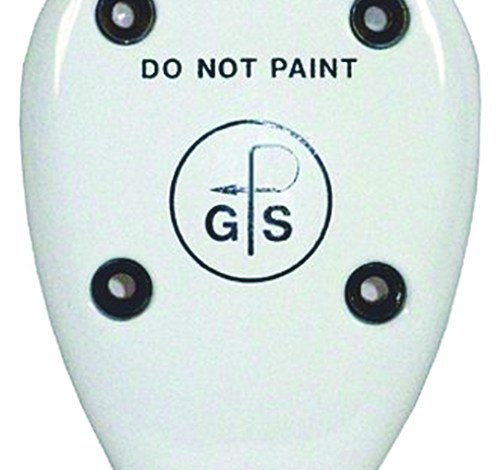
p>Beechcraft C90 King Air Antenna Blockage Troubleshot both #1 and #2 GPS systems due to failures. The #2 antenna resistance checked okay, but any time the #2 GPS system was turned on, it blocked all GPS signals to aircraft. With the #2 GPS system turned off, the #1 GPS system operated with no problems. Installed […]

Read More »

Strut Stuff

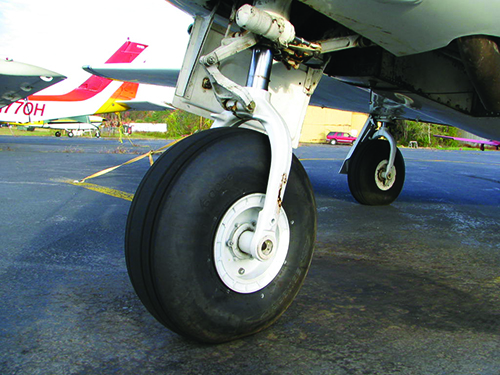
American General AA-5A Cheetah Debonded Nose Landing Gear Strut The nose landing gear strut debonded at the nose fork bearing spindle. Spindle and strut are bonded via a hot-bond agent while in an autoclave. Suspect debonding occurred due to unreported hard landings and extreme stress due to improper ground handling. Part total time: 3081.0 hours […]

Read More »

Cockpit Smoke

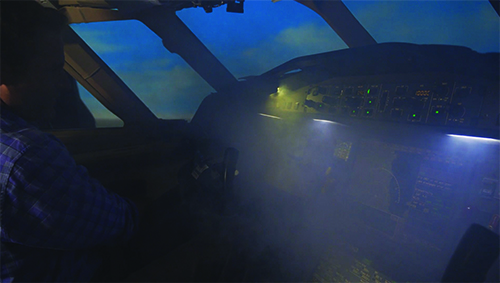
This was an otherwise-routine, night VFR mission, and a proficiency flight for the SIC, who was serving as pilot at the controls (PAC). At 2345 local time and after approximately three hours on station at 24,000 feet msl about 20 miles east of the airfield, the PIC, in the right seat and the pilot not […]

Read More »
Pilot in aircraft
Sign-up for newsletters & special offers!

Get the latest stories & special offers delivered directly to your inbox.

SUBSCRIBE